The Kings of the World
2022
No user ratings available yet
Representation score: 9.1 out of 10
Representation Score
Excellent
2011
Director
Dorota Kędzierzawska
Runtime
118 minutes
Average Rating
No ratings yetNew Showbiz Analysis
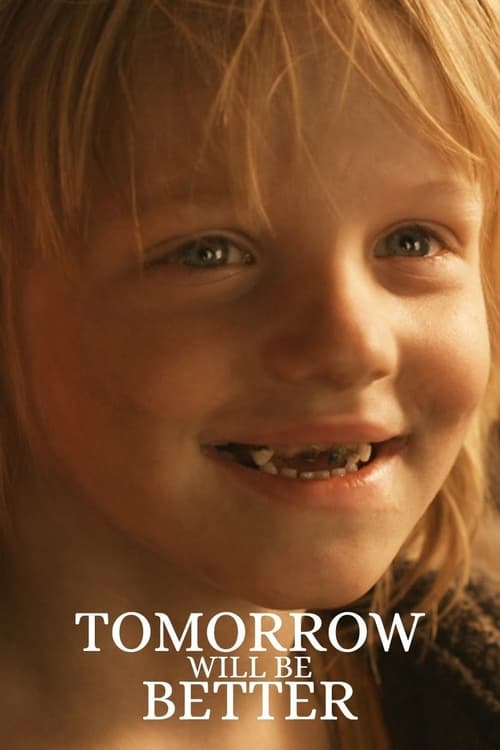
Tomorrow Will Be Better offers a detailed look at the struggles of displaced Russian street children. It avoids the usual social realism by focusing on sensory experiences and survival. The film portrays state institutions and borders as obstacles rather than supports. While it successfully captures the ability to act of underrepresented youth, it doesn't explicitly represent specific LGBTQ+ identities or clinical disabilities. The focus is on the broader systemic issues affecting the characters.
Category Breakdown
The film doesn't show explicit LGBTQ identities, but there's a subtle exploration of tenderness among the children that hints at a more fluid approach to intimacy.
The traditional gender roles are challenged by the children's strong influence over their own lives. They're shown as highly independent and self-reliant, breaking away from typical childlike dependence.
The story focuses on Russian street children moving into Poland, highlighting the challenges faced by migrants and displaced individuals.
The film looks at how institutions can be barriers to survival, especially for migrants. It also explores the ethical dilemmas faced by those living on the margins of society.
The narrative examines how extreme poverty and displacement create psychological and physical vulnerabilities, focusing on the 'disability of circumstance'.
Present on Screen
Limited or Absent
Official Synopsis
Three Russian street kids, who live on their wits in a train station, take off to the countryside hoping to make it across the border to a better life in Poland. They are alternately looking for tenderness and pushing it away because they sense that it is a sign of vulnerability they can ill-afford. Kędzierzawska has the rare ability to take the world of children on its own terms. There is not a false note in this dazzlingly beautiful and emotionally involving story of three kids trying to find their path to a new life.
2022
2009

2012

2017
2011

2013

2019
2014
No reviews yet. Be the first to share your thoughts on this movie!
Use the rating form above to leave a star rating and optional review.