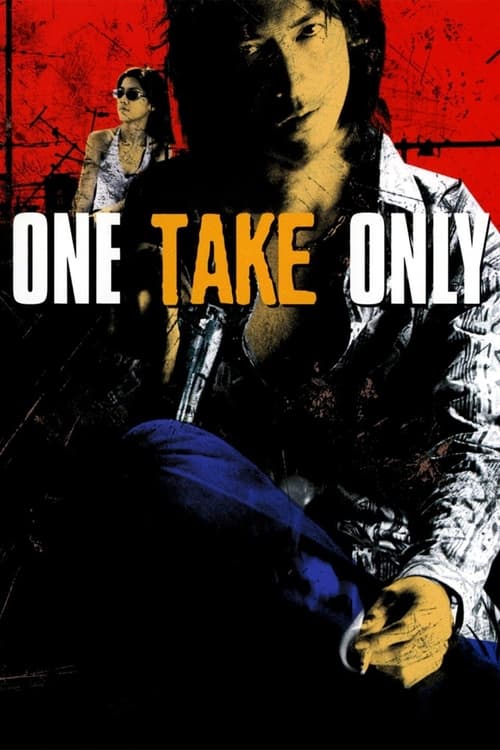
One Take Only
2001
No user ratings available yet
Diversity score: 5.8 out of 10

1976
Director
Sun Chung
Runtime
88 minutes
Average Rating
No ratings yetSynopsis
A nurse decides to take justice in her own hands to fight the crime-syndicates of Hong Kong after her sister is drugged and abused by some local drug dealers.
Overall Score
Fair
Category Breakdown
LGBTQ+ Representation
The film lacks visible queer characters or non-heteronormative identities. The narrative focuses on a traditional revenge arc driven by familial bonds.
Gender Representation
A female nurse subverts the 'damsel in distress' trope by acting as a vigilante. She moves from a recipient of trauma to an active agent of retribution.
Racial & Ethnic Diversity
The cast is predominantly Cantonese-speaking and non-Western. It offers a non-Anglo-centric perspective on crime within its specific Hong Kong setting.
Religious & Cultural Diversity
The story critiques the failure of legal institutions to protect the vulnerable. It explores subjective morality through the protagonist's extrajudicial fight against drug syndicates.
Disability Representation
There is no evidence of physical or neurodivergent disabilities being depicted in the narrative.
Strengths
Areas for Improvement
AI Analysis
The film stands out for its subversion of gendered power dynamics. By centering a female protagonist who dismantles criminal structures, it prioritizes female agency over passive victimhood. While the film provides a non-Western perspective on justice, it remains culturally homogeneous. The narrative focuses heavily on a specific local context without broader ethnic variety. Ultimately, the film's strength lies in its critique of institutional reliability. It replaces state-sanctioned law with individual justice, driven by a central female figure.
2001
2002
1967
1985
1979
1974
2017
2008
1973
1975
1991
1974
No reviews yet. Be the first to share your thoughts on this movie!
Use the rating form above to leave a star rating and optional review.