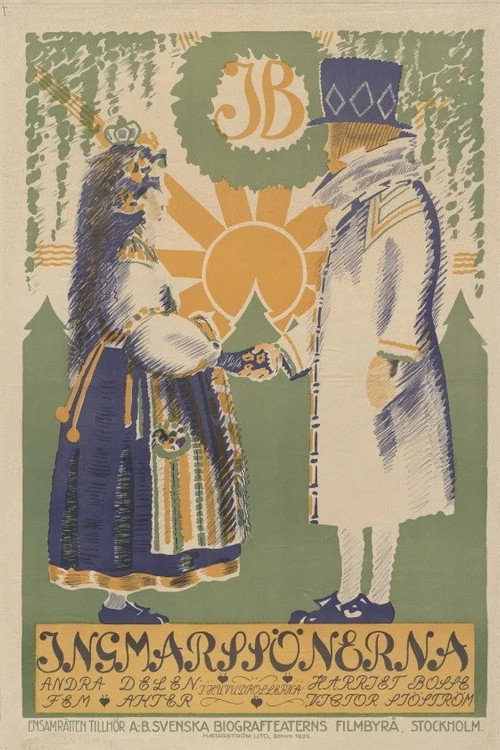
Sons of Ingmar
1919
No user ratings available yet
Representation score: 2.5 out of 10
Representation Score
Limited
1920
Director
Victor Sjöström
Runtime
116 minutes
Average Rating
No ratings yetNew Showbiz Analysis
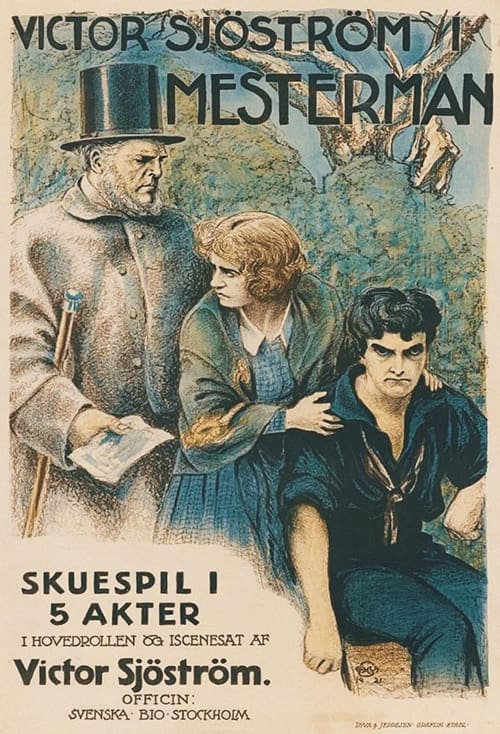
Reflecting its historical context, *A Lover in Pawn* adheres to the conventional social structures and romantic clichés of 1920. While Victor Sjöström adds psychological depth to the characters, the narrative lacks modern complexity in addressing identity issues. The film emphasizes traditional courtship and the economic pressures of the time. It prioritizes the internal moral struggles of its characters over challenging established hierarchies. Overall, the work mirrors the demographic and social constraints of early 20th-century Swedish cinema, providing a specific view of class and gender dynamics.
Category Breakdown
The film centers on heterosexual relationships and traditional dating customs. There are no instances of same-sex relationships or characters with non-binary gender identities.
The story examines the vulnerability of women during economic hardships. Despite exploring moral complexities, the film upholds traditional hierarchies where women have limited control over their lives due to male-dominated decision-making.
The cast is homogeneous, reflecting the demographics of 1920s Sweden. There are no characters from diverse racial or ethnic backgrounds.
The story deals with themes of sacrifice and social class. It follows a traditional moral framework without challenging Western institutions.
There are no characters with physical or neurodivergent disabilities in the film.
Present on Screen
Limited or Absent
Official Synopsis
About loaner Master Samuel, based on a writings by Hjalmar Bergman
1919

1924
1925
1931
1920
1953
1911
1919
No reviews yet. Be the first to share your thoughts on this movie!
Use the rating form above to leave a star rating and optional review.