
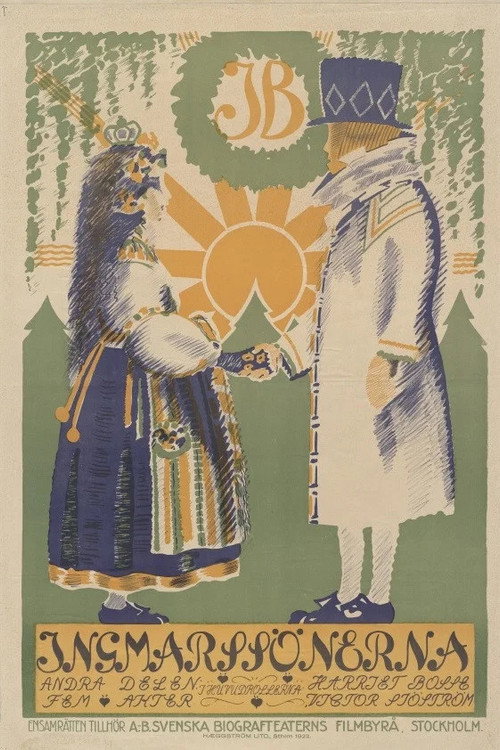
Karin, Daughter of Ingmar
1920
No user ratings available yet
Representation score: 2.1 out of 10
Representation Score
Limited
1919
Director
Victor Sjöström
Runtime
207 minutes
Average Rating
No ratings yetNew Showbiz Analysis
Sons of Ingmar is a sophisticated period drama that emphasizes psychological realism and literary depth over modern demographic diversity. It serves as a character study of generational conflict and the tension between tradition and individual ability to act. While the film lacks diverse representation, it offers progressive value through its deconstruction of idealized family units. The narrative structure presents complex, conflicting moral perspectives rather than simple didacticism. Ultimately, the work reflects the localized, homogeneous social structures of early 20th-century Sweden, focusing on the struggle against systemic tradition rather than diverse identity representation.
Category Breakdown
The film focuses on straight relationships and traditional family structures without including non-traditional gender identities or same-sex romances.
The movie upholds traditional gender roles, but female characters have significant psychological depth and influence through domestic and spiritual roles, challenging male-dominated agricultural authority.
The setting is predominantly homogeneous, reflecting the demographics of rural Sweden. The narrative does not address racial or ethnic diversity.
The film examines the tension between religious traditions and personal morality. It questions idealized patriarchal legacies by highlighting the burdens of inheritance and societal expectations.
There is no specific mention of physical or neurodivergent disabilities in the film.
Present on Screen
Limited or Absent
Official Synopsis
Part one of an ambitious screen adaptation of Selma Lagerlöf's book Jerusalem.
1920
1987
1920
1921
1925

1924

1918
1943
No reviews yet. Be the first to share your thoughts on this movie!
Use the rating form above to leave a star rating and optional review.