
The Sweet Life of Count Bobby
1962
No user ratings available yet
Representation score: 2.5 out of 10
Representation Score
Fair
1959
Director
Hélio Barroso, José Carlos Burle
Runtime
82 minutes
Average Rating
No ratings yetNew Showbiz Analysis
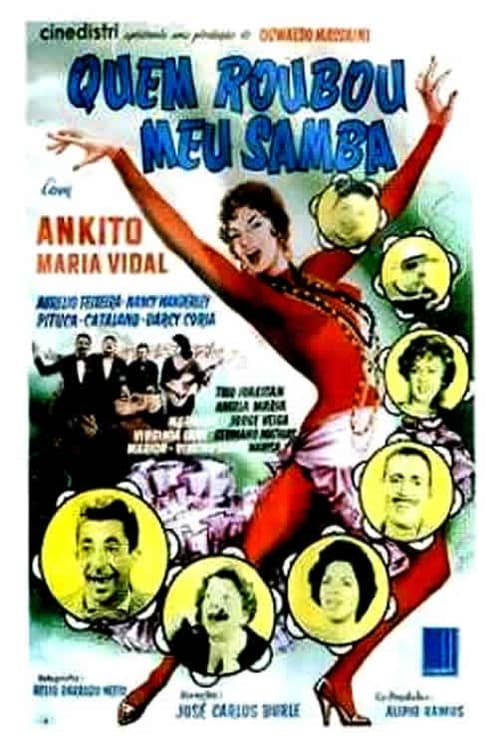
Quem Roubou Meu Samba? is a product of its 1959 era, balancing commercial comedy with the cultural weight of Brazilian music. While it lacks modern multi-layered depth, it avoids being a purely homogeneous narrative by placing Samba at its core. The film's strength lies in its cultural centering, using the music industry to highlight Afro-Brazilian heritage. However, it remains constrained by the social norms of the time, particularly regarding gender and LGBTQ+ visibility.
Category Breakdown
The film does not include explicit LGBTQ+ characters or narratives. It follows the conventional comedic clichés and romantic dynamics typical of 1959 Brazilian cinema.
Gender roles likely adhere to established hierarchies of the era. The detective and industry-focused plot suggest that ability to act is divided along traditional lines.
Samba serves as the narrative driver, inherently centering Afro-Brazilian cultural expression. This elevates Black cultural heritage through the film's musical focus.
The story explores the commercialization of music within the industry. It celebrates Samba as a cultural identity while maintaining a lighthearted comedic tone.
There is no evidence of characters with visible or invisible disabilities within the narrative.
Present on Screen
Limited or Absent
Official Synopsis
Somebody is selling songs for two recording companies, simultaneously. The owner of one of them hires a detective to find out the swindler's identity. But the private-eye is clumsy, and messes things up even more.
1962
1935
1960
1960
1983
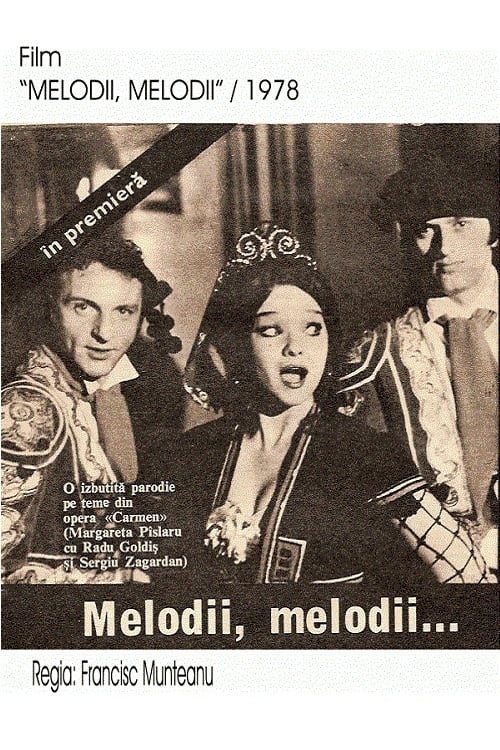
1978
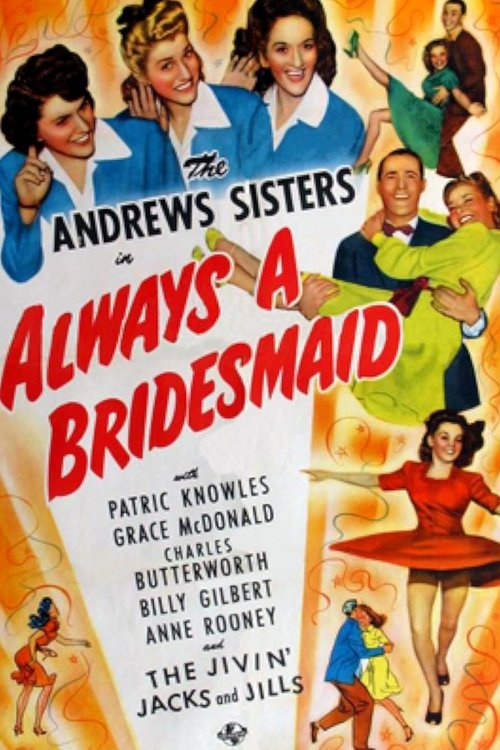
1943
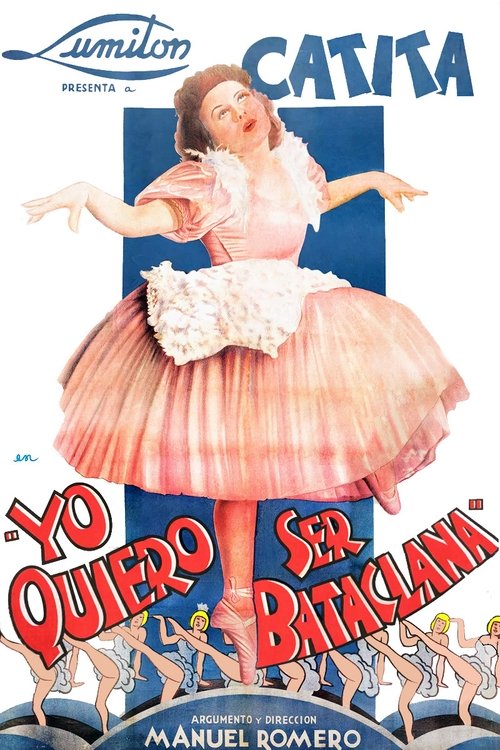
1941
No reviews yet. Be the first to share your thoughts on this movie!
Use the rating form above to leave a star rating and optional review.