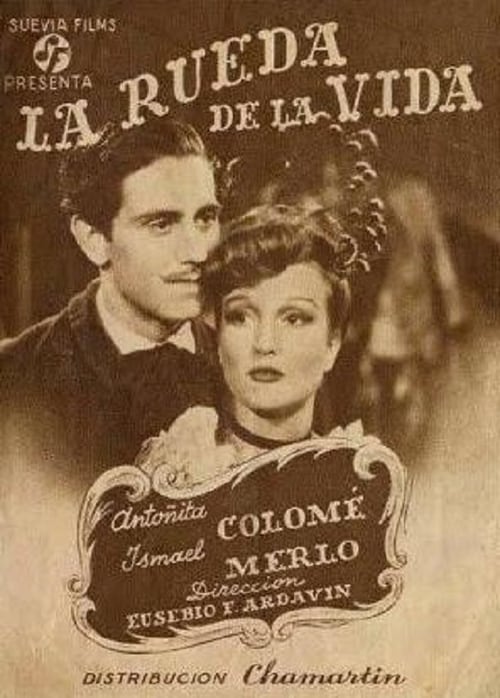
La rueda de la vida
1942
No user ratings available yet
Representation score: 4.0 out of 10
Representation Score
Limited
1941
Director
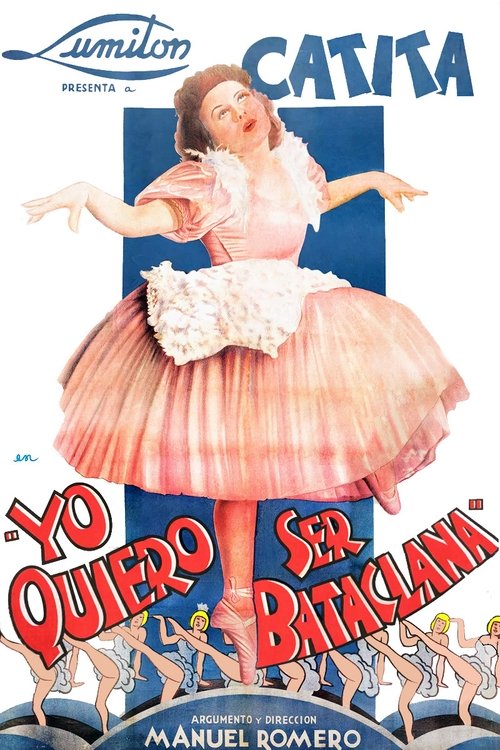
Manuel Romero
Runtime
76 minutes
Average Rating
No ratings yetNew Showbiz Analysis
Yo quiero ser bataclana is a quintessential product of the Argentine Golden Age, prioritizing mainstream musical comedy and commercial appeal. While it features a powerful female lead in Niní Marshall, the film's narrative structure remains tied to the traditional romantic and social hierarchies of the era. The film lacks diversity in terms of race, gender identity, and disability, reflecting the standard studio practices of 1940s South American cinema. It serves primarily as a celebration of stage glamour and professional aspirations within a homogeneous social framework.
Category Breakdown
The film does not include any characters with non-binary gender identities or same-sex relationships. It follows traditional romantic storylines typical of 1940s musical comedies.
Niní Marshall delivers a strong comedic performance, providing a notable exception to passive female roles. However, the plot centers on traditional romantic pursuits and industry hierarchies.
The production reflects the demographic uniformity common in the Argentine Golden Age. There is no indication of diverse casting beyond the standard social compositions of the time.
The narrative focuses on the glamour of the stage and professional aspirations. It celebrates traditional entertainment without challenging established social or secular institutions.
There is no documented evidence of the portrayal of physical or neurodivergent disabilities in this production.
Present on Screen
Limited or Absent
Official Synopsis
Catita intercedes when a producer courts a chorus girl who is the director's girlfriend.
1942
1933
1938
1940
1947
1937

1948
1947
No reviews yet. Be the first to share your thoughts on this movie!
Use the rating form above to leave a star rating and optional review.