In the Wake
2021
No user ratings available yet
Representation score: 5.9 out of 10
Representation Score
Good
2016
Director
Isao Yukisada
Runtime
119 minutes
Average Rating
No ratings yetNew Showbiz Analysis
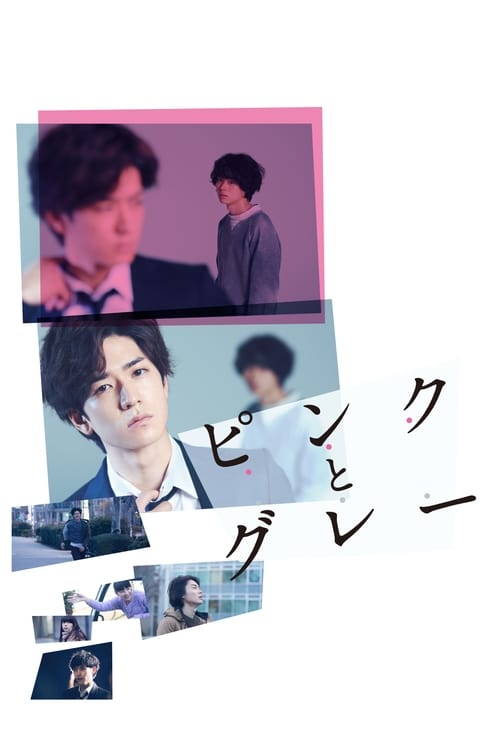
Pink and Gray stands out as a character-driven film that upends conventional storytelling. By focusing on the inner lives of women and the complexities of their relationships, it breaks away from traditional patriarchal narratives and straight-centered storylines. However, the film's demographic range is limited. Its culturally homogeneous Japanese setting restricts racial and ethnic diversity, concentrating instead on a particular cultural context. Ultimately, the film's strength lies in its deep exploration of existential themes and the subtleties of human connections, challenging established social norms and traditional gender roles.
Category Breakdown
The film delves into a complex, ambiguous relationship between female characters Saori and Natsume. It avoids traditional heterosexual expectations and uses subtle hints to challenge typical gender dynamics.
Women's empowerment and psychological complexity are central to the story. The narrative avoids the male perspective by emphasizing the internal lives of the female characters rather than masculine actions.
The cast is culturally uniform, reflecting a specific modern Japanese urban environment. It maintains authenticity without trying to fit Western casting standards.
The story questions strict societal rules through themes of moral ambiguity and existential unease. It favors personal emotional experiences over religious or singular moral guidelines.
A hospital setting highlights physical frailty and the fragility of life. The film avoids overly sentimental portrayals of disability, focusing instead on the psychological impact of medical environments.
Present on Screen
Limited or Absent
Official Synopsis
Popular actor Rengo Shiraki dies suddenly. Due to his sudden death, unpopular actor Daiki Kawata attracts the spotlight due to his close friendship with Rengo. Did Rengo Shiraki commit suicide or was he murdered?
2021
2008
2017

2021
2024
2024
2015
1998
No reviews yet. Be the first to share your thoughts on this movie!
Use the rating form above to leave a star rating and optional review.