
In the Wake
2021
No user ratings available yet
Representation score: 5.9 out of 10
Representation Score
Fair
2024
Director
Michihito Fujii
Runtime
120 minutes
Average Rating
No ratings yetNew Showbiz Analysis
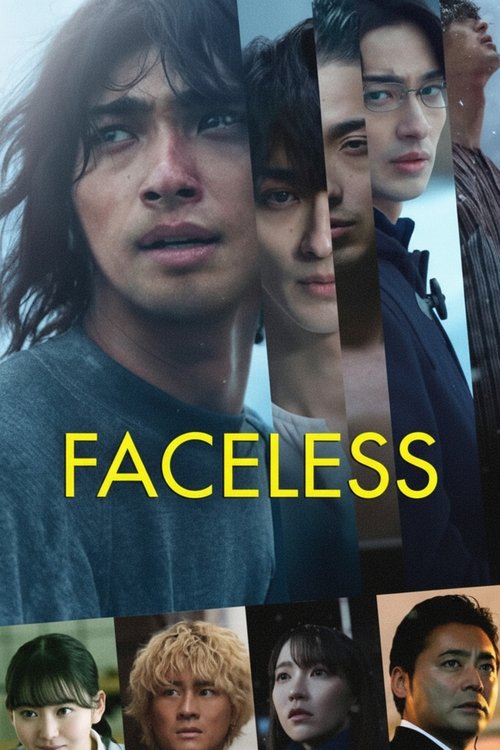
Faceless is a psychological thriller that prioritizes the fragmented nature of identity over demographic diversity. It uses a non-linear structure to challenge the idea of a stable, discoverable truth. The film succeeds by breaking down traditional investigative clichés. Instead of a straightforward hero-villain dynamic, it offers a nuanced, situational perspective on human existence through conflicting witness accounts. However, the film remains conventional in its demographic representation. It reflects a typical Japanese environment without a strong focus on LGBTQ+ identities or disability.
Category Breakdown
The film does not explicitly depict non-straight relationships or same-sex intimacy. The story revolves around the mystery of Kaburagi's identity and his ties to Sayaka, Kazuya, and Mai.
Female characters such as Sayaka and Mai play crucial roles in the protagonist's journey. They act as primary witnesses and help shape the protagonist's identity, moving beyond purely male-focused investigative methods.
As a Japanese production, the cast and setting reflect local demographics. There is no indication of diverse ethnic blending or color-blind casting within the domestic context.
The story avoids a simple good versus evil framework by emphasizing moral relativism. It questions institutional authority by presenting a complex view of human existence through conflicting witness testimonies.
There is no mention of characters dealing with physical, neurodivergent, or mental health disabilities within the narrative.
Present on Screen
Limited or Absent
Official Synopsis
Kaburagi was arrested as a suspect in a brutal murder case, but he escapes. He continues to hide and move all around Japan. During this time, he meets Sayaka, Kazuya and Mai. Detective Matanuki is on the trail to capture Kaburagi. He interrogates the people who met Kaburagi, but they all describe Kaburagi differently from each other. Kaburagi has been missing for 488 days. Who really is Kaburagi? What is his plan?
2021

2014

2014

2008

2014

2014

1999

2013
No reviews yet. Be the first to share your thoughts on this movie!
Use the rating form above to leave a star rating and optional review.