
In the Wake
2021
No user ratings available yet
Diversity score: 4.2 out of 10
2000
RDirector
Kikuo Kawasaki
Runtime
97 minutes
Average Rating
No ratings yetSynopsis
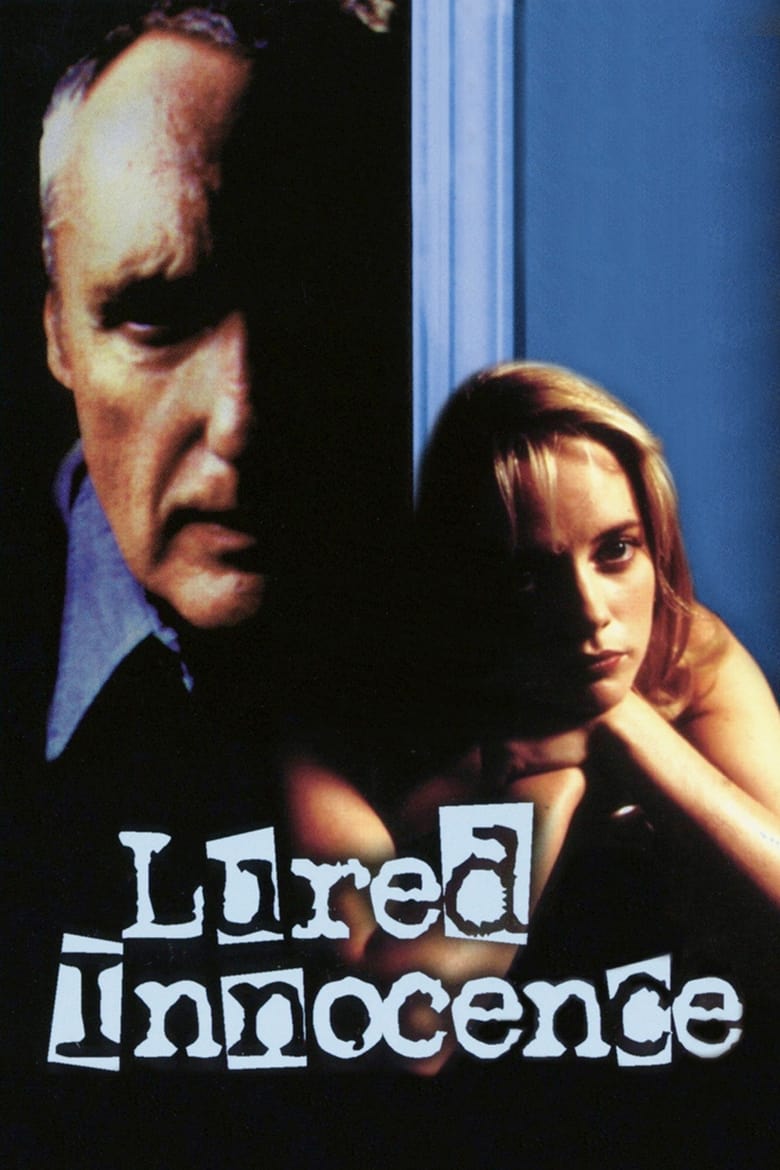
A reporter sent to cover a murder trial discovers a web of deceit stemming from a torrid affair.
Overall Score
Limited
Category Breakdown
LGBTQ+ Representation
The film focuses on a torrid affair, which suggests heteronormative romantic conflict. There is no evidence of non-cisnormative identities or critiques of heteronormativity.
Gender Representation
Female characters likely serve as catalysts for plot tension or victims of deceit. Without evidence of high agency or subversion of hierarchies, the representation remains potentially stereotypical.
Racial & Ethnic Diversity
Directed by Kikuo Kawasaki, the film likely operates within a Japanese cultural context. However, specific details regarding intersectional casting or the subversion of ethnic tropes are absent.
Religious & Cultural Diversity
The narrative appears to adhere to standard dramatic tropes of the era. It likely functions within a traditional moral framework typical of late-90s thrillers.
Disability Representation
There is no information available regarding the inclusion of characters with physical or neurodivergent disabilities.
Strengths
Areas for Improvement
AI Analysis
Lured Innocence functions as a conventional investigative thriller, relying on established noir and melodrama tropes. The narrative architecture centers on a reporter uncovering a web of deceit, a structure that often prioritizes plot momentum over social subversion. The film lacks documented evidence of intersectional representation or the intentional disruption of social hierarchies. While it offers a non-Western perspective through its Japanese direction, the specific character dynamics remain unverified. Ultimately, the work presents as a standard genre piece. It follows traditional narrative paths without providing clear indicators of diverse identity representation or systemic critique.
2021

2010

2001

2017

2016

2014
1991

2003

1995

2006

1999

2017
No reviews yet. Be the first to share your thoughts on this movie!
Use the rating form above to leave a star rating and optional review.