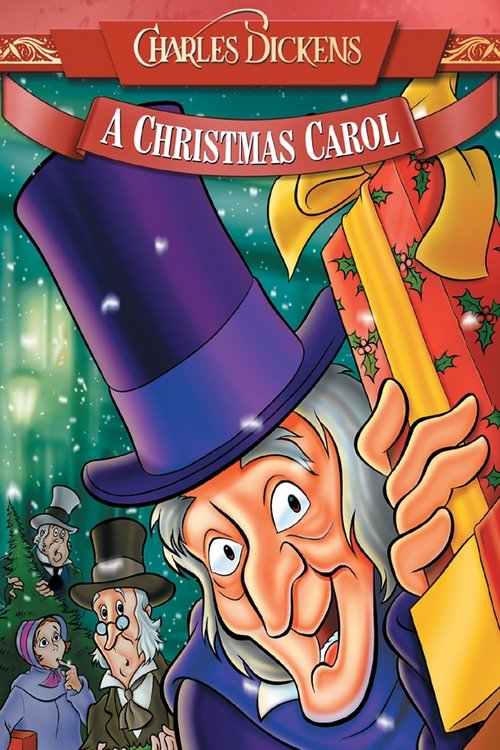
A Christmas Carol
1982
No user ratings available yet
Representation score: 2.2 out of 10
Representation Score
Limited
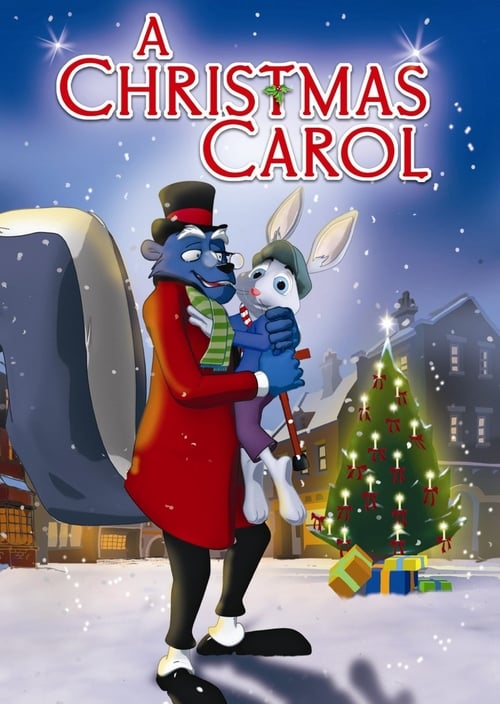
2006
Director
Ric Machin
Runtime
48 minutes
Average Rating
No ratings yetNew Showbiz Analysis
This animation follows the traditional framework of the Dickensian source material, prioritizing historical accuracy over the inclusion of diverse identities. The narrative focuses on individual moral reform within established Western social frameworks. The production lacks systemic subversion or diverse character's ability to drive the story, instead reinforcing conventional storytelling clichés. It functions primarily as a classical moral instruction piece rather than a tool for social disruption.
Category Breakdown
The film adheres to traditional structures that assume everyone is straight and cisgender. There is no evidence of non-traditional gender identities or same-sex relationships.
The narrative centers on the psychological journey of a male protagonist. Power dynamics are rooted in traditional Victorian social hierarchies, emphasizing male leadership.
The setting reflects the homogeneous social structures of the era. The production does not include diverse racial or ethnic perspectives, nor does it provide ability to act to characters representing different backgrounds.
The story functions as a moral fable centered on traditional Christian values. It reinforces conventional Western ideals regarding the family unit and communal celebration.
There is no indication that neurodivergence or physical disabilities are explored. The spirits serve as supernatural plot devices rather than representations of lived disability experiences.
Present on Screen
Limited or Absent
Official Synopsis
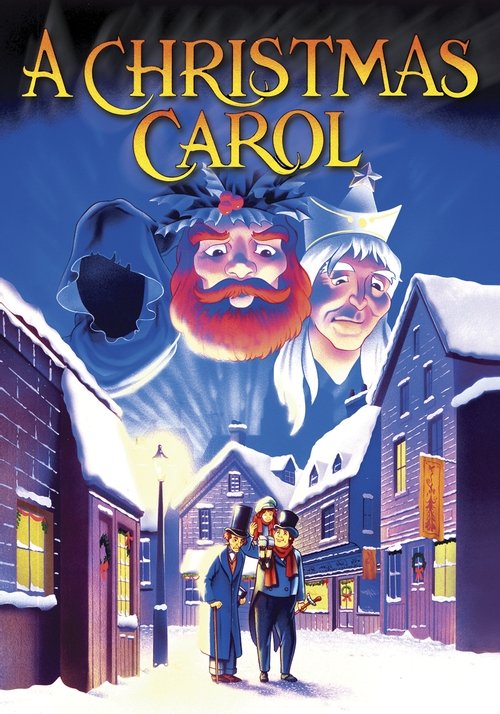
On Christmas Eve, an old miser named Ebenezer Scrooge is visited by the spirit of his former partner, Jacob Marley. The deceased partner was in his lifetime as mean and miserly as Scrooge is now and he warns him to change his ways or face the consequences in the afterlife. Scrooge dismisses the apparition but the first of the three ghosts, the Ghost of Christmas Past, visits as promised. Scrooge sees those events in his past life, both happy and sad, that forged his character. The second spirit, the Ghost of Christmas Present, shows him how many currently celebrate Christmas. The Ghost of Christmas Yet to Come shows him how he will be remembered once he is gone. To his delight, the spirits complete their visits in one night giving him the opportunity to mend his ways.
1982

1999
2001
2010
1994
1938
1971
1984
No reviews yet. Be the first to share your thoughts on this movie!
Use the rating form above to leave a star rating and optional review.