Gratian: The Real life Romanian Werewolf
1999
No user ratings available yet
Representation score: 7.6 out of 10
Representation Score
Good
1993
K-14Director
Pirjo Honkasalo
Runtime
80 minutes
Average Rating
No ratings yetNew Showbiz Analysis
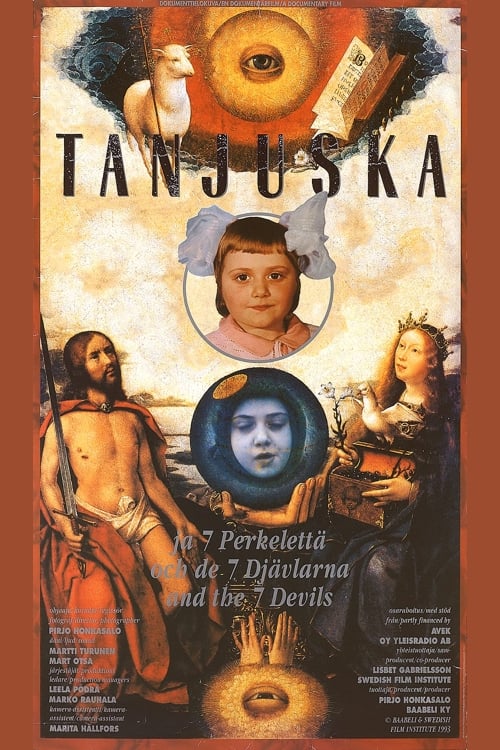
The film opens on the stark, icon-like face of a young Belarusian girl who has stopped growing, eating, and speaking. This visual stillness anchors a documentary that observes the collision between a child’s unexplained physical decline and the rigid theological framework of her village. The sold meaning is one of spiritual crisis: the local priest identifies seven devils inhabiting the girl, and the camera lingers on the daily rituals of exorcism and the family’s anxious compliance. The pictures favor the traditional hierarchy; the men in the frame—the priest, the father, the doctor—hold the interpretive power, while the girl remains a silent vessel for their competing diagnoses. The film’s argument is that faith provides the only coherent narrative for the inexplicable. However, this argument pulls against the visual evidence of the girl’s deteriorating health, which suggests a medical or psychological reality that the religious framework fails to address. The camera treats the priest’s authority with a neutral, observational distance, neither endorsing nor debunking the possession narrative. Instead, it documents the weight of tradition on a vulnerable child. The ending does not offer a secular resolution or a clear victory for the girl’s autonomy; rather, it leaves the viewer with the unresolved tension between the girl’s silent suffering and the community’s loud, ritualistic response. The last image is one of continued confinement, where the girl’s body remains the battleground for a culture that prefers the comfort of the supernatural to the uncertainty of the clinical.
Category Breakdown
No queer presence. The narrative tracks a girl’s physical crisis within a heteronormative family. No same-sex intimacy or non-binary identity appears in the footage.
The girl is a passive subject. Male authority figures diagnose and control her body. The film documents her silence under this patriarchal gaze without showing active resistance.
The cast is exclusively Eastern European. This reflects the specific Russian Orthodox cultural context. No other ethnicities are present, keeping the focus on local village dynamics.
The film centers the clash between secular reality and religious interpretation. The priest’s diagnosis of demonic possession is the primary lens, highlighting faith’s power over individual autonomy.
The girl’s condition is depicted as a medical and spiritual anomaly. The documentary observes her physical state without mocking it, presenting the disruption to her development seriously.
Present on Screen
Limited or Absent
Official Synopsis
A documentary about Tanjuska who is a 12-year-old White-Russian schoolgirl, with a face like an icon. Two years ago she stopped eating, then talking and finally she stopped growing. The village priest in Estonia has explained to the family that seven devils have made a home inside Tanjuska. These devils are giving her orders and only a daily ceremony can force the devils to leave the girl.
1999
2004
2015
2010
1972
2016

1962
2017
No reviews yet. Be the first to share your thoughts on this movie!
Use the rating form above to leave a star rating and optional review.