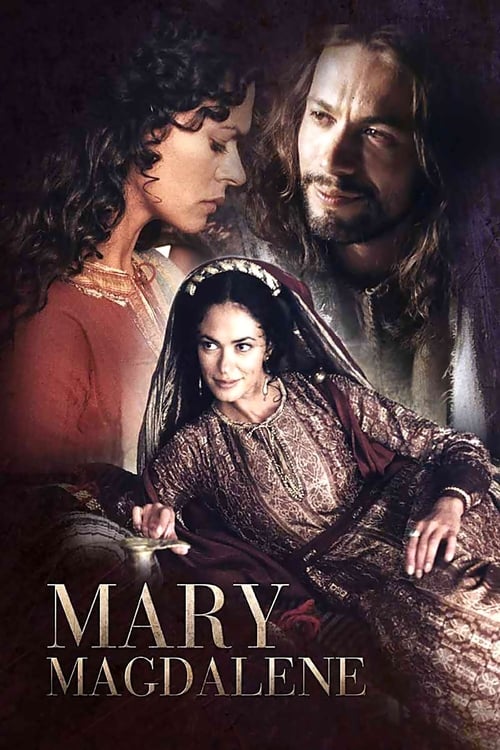
Mary Magdalene
2000
No user ratings available yet
Representation score: 2.2 out of 10

Representation Score
Fair
2005
Not RatedDirector
Abel Ferrara
Runtime
83 minutes
Average Rating
No ratings yetNew Showbiz Analysis
Abel Ferrara’s *Mary* is a psychological character study that prioritizes the deconstruction of the individual psyche over social representation. Its primary strength lies in its refusal to use mental illness as a tool for sentimentality, instead granting the protagonist ability to act within her fractured reality. However, the film operates within a very narrow demographic scope. The cast is largely homogeneous, and the narrative lacks any meaningful engagement with LGBTQ+ identities or racial diversity, focusing instead on a singular, Western spiritual crisis. Ultimately, the film succeeds as a postmodern exploration of human perception but fails to provide a diverse social landscape.
Category Breakdown
The film lacks prominent LGBTQ+ characters or narratives. The focus remains strictly on the spiritual and psychological crises of the central trio.
The narrative centers on a female protagonist whose role is defined by internal struggle. While it disrupts traditional hierarchies, femininity is often tied to psychological instability.
The cast is predominantly homogeneous and reflects a specific Western milieu. There is no evidence of race-bent casting or efforts to diversify the demographic landscape.
The film deconstructs religious institutions by treating spirituality as a source of existential dread. It blurs the line between divine revelation and psychotic breaks.
The film offers a harrowing, nuanced depiction of schizophrenia. It avoids sentimentalizing mental illness, presenting it instead as a profound and isolating human experience.
Present on Screen
Limited or Absent
Official Synopsis
The filming of a movie about Jesus’ death deeply affects three people — an egotistical director who cast himself as Christ, the actress playing Mary Magdalene who cannot bring herself to leave Bethlehem and a TV journalist whose spiritual doubts start to consume him.
2000
1965

1946

2004

2013
2003
2015
2017
No reviews yet. Be the first to share your thoughts on this movie!
Use the rating form above to leave a star rating and optional review.