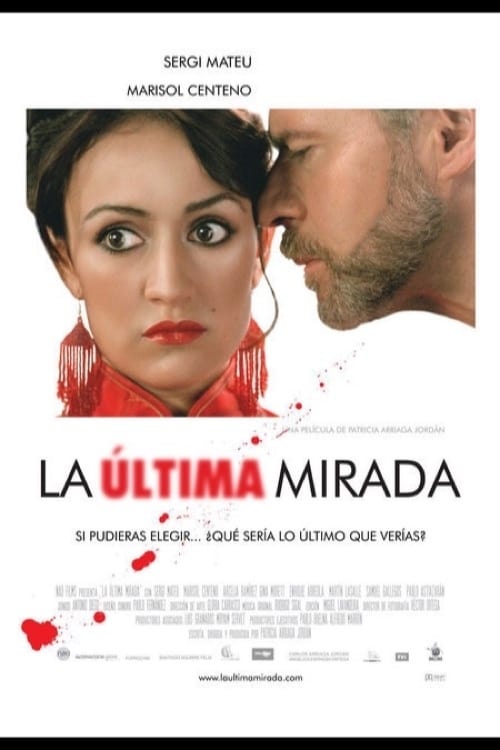
The Last Gaze
2006
No user ratings available yet
Diversity score: 6.9 out of 10

2016
Director
Christopher Murray
Runtime
88 minutes
Average Rating
No ratings yetSynopsis
Michael believes he experienced a divine revelation in the desert when he was a child. His neighbors are incredulous and take him for the town fool ever since. One evening, he gets news that a childhood friend was badly hurt in an accident in a remote village. Michael decides to drop everything to go on a barefoot pilgrimage through the Chilean desert in order to cure his friend with a miracle, a voyage that will traverse the blind desperation of a society in need of faith.
Overall Score
Fair
Category Breakdown
LGBTQ+ Representation
The film lacks explicit evidence of LGBTQ+ characters or non-heteronormative identities. The narrative focuses primarily on a male protagonist's spiritual quest and his bond with a childhood friend.
Gender Representation
The story centers on Michael, a male protagonist navigating a journey defined by perceived madness. There is a lack of documented female-driven plot arcs or clear subversions of masculine hierarchies.
Racial & Ethnic Diversity
Set in the Chilean desert, the film provides meaningful regional representation. It centers a South American cultural context rather than a Western-centric or Hollywood-standard perspective.
Religious & Cultural Diversity
The narrative disrupts religious certainty by prioritizing individualistic spirituality over institutional dogma. It explores the friction between personal truth and the incredulity of a traditional society.
Disability Representation
The film explores mental and physical vulnerability through the protagonist's perceived madness and a friend's injury. These conditions drive the character's agency and the central plot.
Strengths
Areas for Improvement
AI Analysis
The Blind Christ is a character study that finds its strength in regional authenticity and the exploration of social margins. By centering a Chilean desert pilgrimage, it avoids Western-centric tropes and offers a nuanced look at faith. However, the film lacks intersectional depth. The narrative architecture is heavily male-centric, and there is no visible representation of queer identities or significant female agency within the provided context. Ultimately, while the film succeeds in challenging social perceptions of sanity and religious dogma, its narrow focus on a singular male journey limits its overall diversity impact.
2006
2016
1989

2003
1982
2015
2016
2019
2008
2015
1975
2005
No reviews yet. Be the first to share your thoughts on this movie!
Use the rating form above to leave a star rating and optional review.