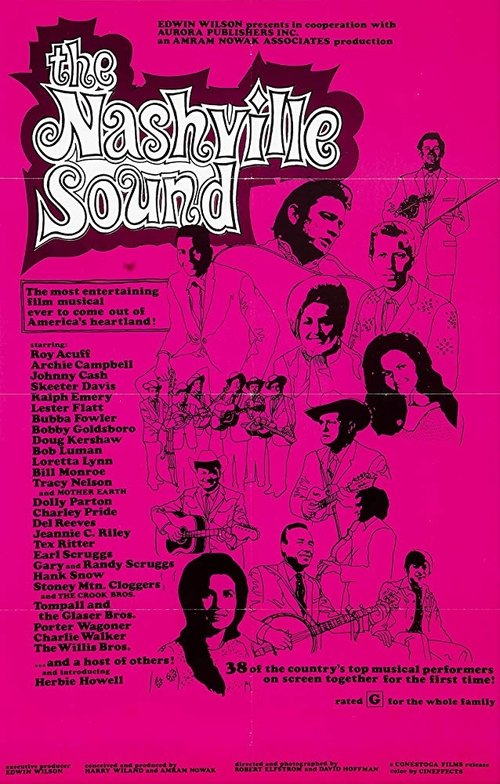
The Nashville Sound
1970
No user ratings available yet
Representation score: 2.1 out of 10
Representation Score
Minimal
1972
GRuntime
94 minutes
Average Rating
No ratings yetNew Showbiz Analysis
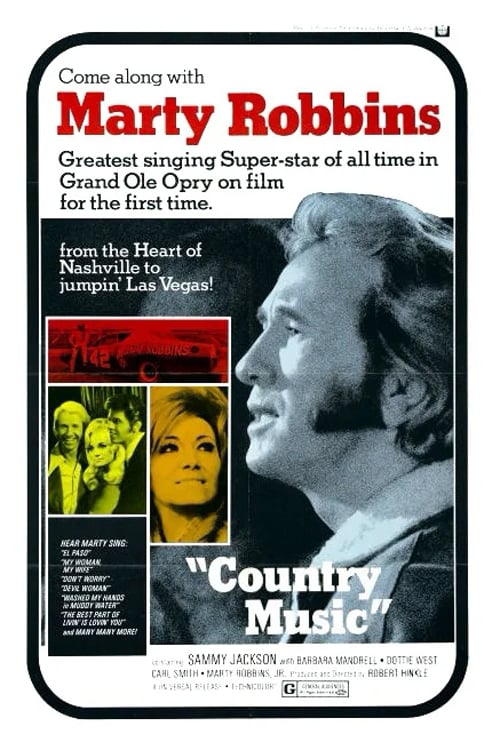
Country Music (1972) offers a traditional perspective on a specific musical institution. It operates within the established social and cultural frameworks of its time, lacking modern characters who reflect more than one aspect of diversity. The documentary focuses on preserving a specific Western heritage. This focus results in a lack of diverse racial, gender, or LGBTQ+ perspectives, aligning with the mainstream industry standards of the early 1970s. Ultimately, the film maintains traditional hierarchies and lacks the inclusion of underrepresented identities necessary for a higher diversity score.
Category Breakdown
The documentary does not include any characters or identities that are LGBTQ+ or non-cisgender. It adheres strictly to the social norms of the 1972 country music scene.
The production likely reflects the traditional gender roles of the 1970s. There is no indication of women occupying roles that challenge conventional domestic or industry dynamics.
The film centers on Anglo-Saxon and Western traditions. It lacks significant racial blending or multi-layered casting within the industry focus.
The work celebrates Western musical heritage. It reinforces traditional American cultural values without offering critiques of established institutions.
There is no documented evidence of subjects with visible or invisible disabilities. No characters are portrayed with disability-related ability to act or as central narrative elements.
Present on Screen
Limited or Absent
Official Synopsis
Documentary produced by Marty Robbins.
1970
1979
1969

1976
2004
1969

1966
2011
No reviews yet. Be the first to share your thoughts on this movie!
Use the rating form above to leave a star rating and optional review.