
Hot Pepper
1973
No user ratings available yet
Representation score: 3.8 out of 10
Representation Score
Fair
1969
Director
Les Blank
Runtime
10 minutes
Average Rating
No ratings yetNew Showbiz Analysis
Les Blank’s documentary is a vital ethnographic record that prioritizes Black musical autonomy. By centering the Mississippi Delta's blues heritage, the film provides a nuanced look at a community often rendered invisible by mainstream media. While the work is a triumph of racial representation, it remains limited in its engagement with other identities. The focus on male-dominated musical lineages results in a lack of gender diversity and no visible LGBTQ+ narratives. Ultimately, the film's strength lies in its dignity and depth. It successfully disrupts the homogeneous narratives of its era by documenting the transition from manual labor to artistic expression.
Category Breakdown
The film focuses on the musical traditions and communal life of the Mississippi Delta. There is no presence of LGBTQ+ characters or narratives within this scope.
The narrative is primarily centered on the male-dominated tradition of blues musicians. It does not actively challenge traditional gender hierarchies or center women's ability to drive the story.
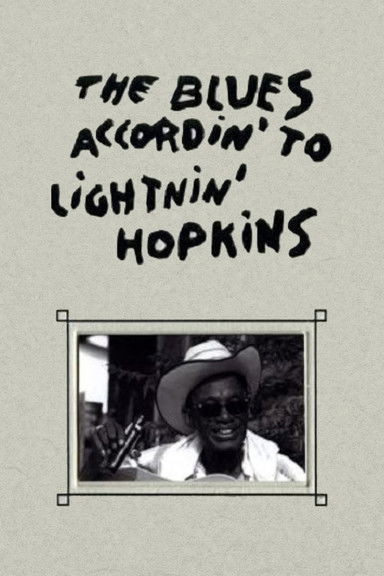
The film excels in documenting African American cultural heritage. It centers the Black experience and the ability to act of Lightnin’ Hopkins, disrupting historical tendencies to sideline Black subjects.
The observational style offers a critique of socioeconomic realities through depictions of labor and rural life. It focuses on folk tradition over mainstream Western social norms.
The film does not provide specific evidence regarding the depiction of physical or neurodivergent disabilities.
Present on Screen
Limited or Absent
Official Synopsis
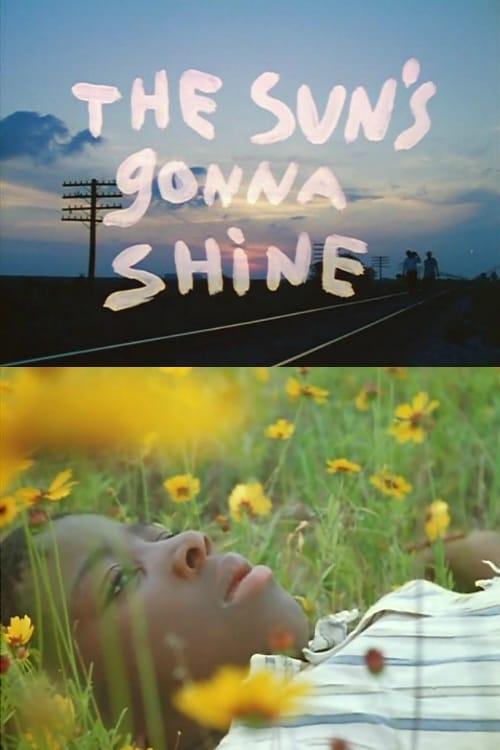
A lyrical recreation of Lightnin’ Hopkins’ decision at age eight to stop chopping cotton and start singing for a living. Preserved by the Academy Film Archive in 2013.
1973
2018
1968

1999
1971
2005
1974

1978
No reviews yet. Be the first to share your thoughts on this movie!
Use the rating form above to leave a star rating and optional review.