Pray TV
1980
No user ratings available yet
Diversity score: 4.0 out of 10
1930
Director
Porfiri Podobed, Yakov Protazanov
Runtime
83 minutes
Average Rating
No ratings yetSynopsis
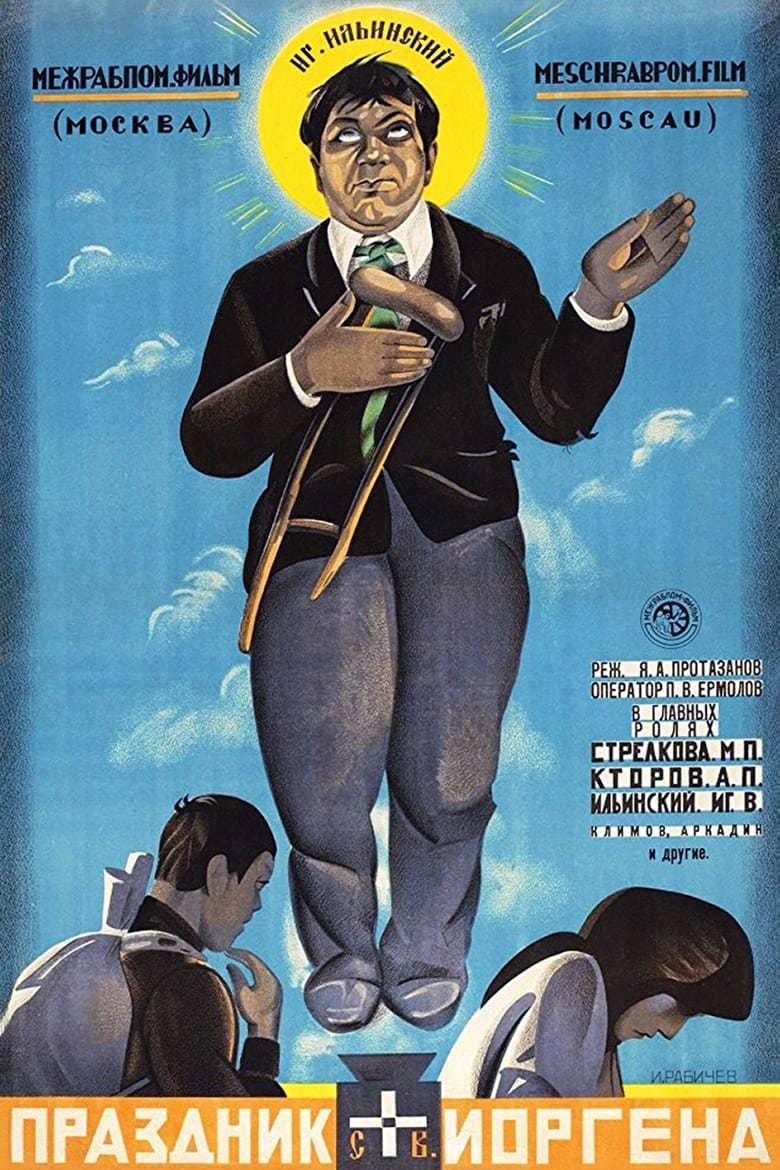
The priests, stock market officials, and police conspire to squeeze income out of pilgrims come to see relics of a Christ like figure. A pair of con men try to pass of a resurrected saint.
Overall Score
Fair
Category Breakdown
LGBTQ+ Representation
The film lacks explicit evidence of LGBTQ+ characters or non-heteronormative identities. The narrative focuses primarily on the economic exploitation of religious pilgrims.
Gender Representation
The story centers on power struggles between institutional figures like priests and police. It prioritizes a critique of patriarchal and clerical hierarchies over specific gender-based subversion.
Racial & Ethnic Diversity
The cast likely reflects the demographic homogeneity typical of 1930s regional filmmaking. There is no evidence of multi-ethnic casting or race-bending in the production.
Religious & Cultural Diversity
The film offers a sharp critique of organized religion and state sanctity. It depicts religious and state institutions as predatory forces designed to exploit the vulnerable.
Disability Representation
There is no information available regarding the depiction of physical or neurodivergent characters in this work.
Strengths
Areas for Improvement
AI Analysis
St. Jorgen's Day is a satirical comedy that excels in cultural critique rather than demographic variety. It uses a plot involving con men and fake relics to dismantle the perceived morality of religious and state institutions. While the film provides a sophisticated deconstruction of systemic corruption, it lacks representation in modern social metrics. The narrative architecture is built around institutional power struggles rather than diverse personal identities. Ultimately, the film's strength lies in its secular, skeptical view of authority, even as it remains demographically limited by the standards of its era.
1980
1980

2000

1998

2018
1963
1957
1930

1937

2003
1950

1975
No reviews yet. Be the first to share your thoughts on this movie!
Use the rating form above to leave a star rating and optional review.