
El turismo es un gran invento
1968
No user ratings available yet
Representation score: 1.1 out of 10
Representation Score
Limited
1957
Director
Luis García Berlanga
Runtime
84 minutes
Average Rating
No ratings yetNew Showbiz Analysis
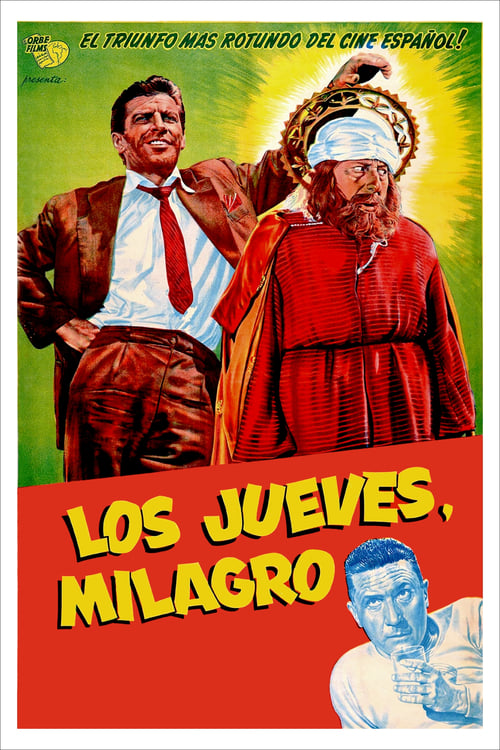
Miracles of Thursday is a sophisticated social satire that uses a declining Spanish village to critique rigid hierarchies. While it lacks modern identity-based representation, it excels in its intellectual deconstruction of institutional power. The film's strength lies in its ability to use humor to question the infallibility of the Church and state. It replaces reverence for dogma with a skeptical look at how superstition drives human behavior. However, the film is limited by its historical context, offering almost no diversity in terms of race, gender roles, or LGBTQ+ identities. It remains a product of its specific era and geographical setting.
Category Breakdown
The film does not include any LGBTQ+ characters or narratives. The social environment adheres closely to the traditional norms of mid-20th century Spain.
Women are mostly confined to traditional domestic and social roles. Although the film mocks the incompetence of male civic leaders, it does not challenge established gender hierarchies.
The cast is ethnically uniform, reflecting the local reality of a provincial Spanish village. There is no multiculturalism or race-bent casting present.
Berlanga uses satire to challenge the absolute authority of religious institutions and dogma. The narrative criticizes systemic superstition by portraying miracles as tools for social manipulation.
There is no significant or intentional representation of disability. Characters are defined by social standing and reactions to miracles rather than physical or neurodivergent traits.
Present on Screen
Limited or Absent
Official Synopsis
In Fontecilla, a Spanish village in decline, the mayor and other illustrious citizens hatch a crazy plan to revitalize tourism.
1968
1953
1962
2011
1978
1982

1972

2019
No reviews yet. Be the first to share your thoughts on this movie!
Use the rating form above to leave a star rating and optional review.