
Pass the Ammo
1988
No user ratings available yet
Representation score: 4.4 out of 10
Representation Score
Limited
1980
PGDirector
Rick Friedberg
Runtime
86 minutes
Average Rating
No ratings yetNew Showbiz Analysis
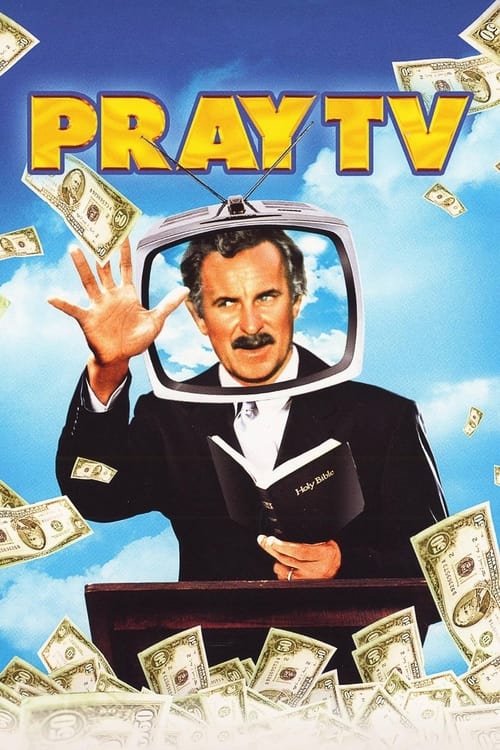
Pray TV primarily serves as a satire of institutional corruption rather than a vehicle for demographic diversification. It excels at deconstructing the intersection of faith and consumerism, using the evangelist cliché to critique moral authority. However, the narrative lacks multi-layered depth, following a homogeneous framework and offering little visibility for LGBTQ+, racial, or gender-diverse identities. Ultimately, the film's strength lies in its secular skepticism and social commentary, even as it fails to provide a diverse cast of characters.
Category Breakdown
The film does not include any explicit LGBTQ+ characters or non-cisgender identities. The narrative focuses solely on the commercial exploitation of religious broadcasting.
The story centers on a power struggle involving a slick evangelist, suggesting a focus on traditional masculine leadership without clear subversion of gender hierarchies.
The plot follows a conventional institutional framework with no indication of a diverse cast. There is no evidence of non-Anglo-Saxon representation within the narrative.
The film offers a sharp critique of religious institutions, portraying faith as a guise for capitalist exploitation and merchandise sales.
There is no mention of characters with visible or invisible disabilities. No evidence of disability representation exists in the provided material.
Present on Screen
Limited or Absent
Official Synopsis
A failing television station is bought out by a slick TV evangelist and starts making mountains of money in the guise of religious programming, which is actually just an excuse to sell merchandise.
1988

1997
1987
1979

1980

1989
1974

1977
No reviews yet. Be the first to share your thoughts on this movie!
Use the rating form above to leave a star rating and optional review.