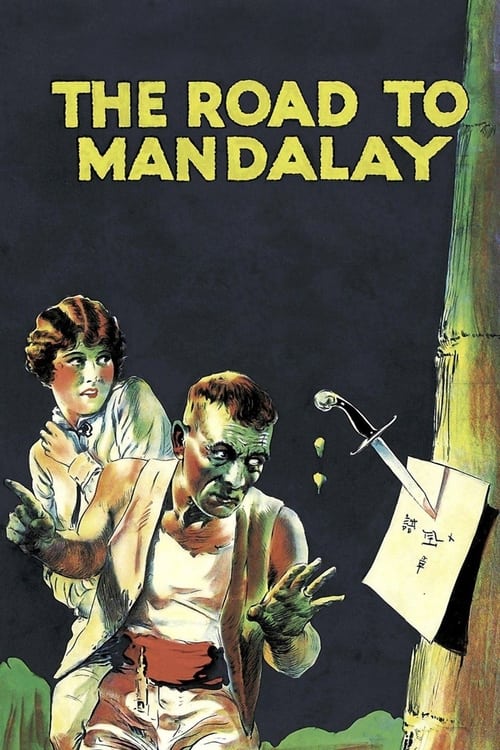
The Road to Mandalay
1926
No user ratings available yet
Diversity score: 2.2 out of 10

1920
Director
D.W. Griffith
Runtime
104 minutes
Average Rating
No ratings yetSynopsis
A man murders his wife's lover and escapes with his daughter to the South Pacific. A detective pursues him, joined by a young man who eventually falls in love with the daughter.
Overall Score
Minimal
Category Breakdown
LGBTQ+ Representation
The film contains no discernible presence of non-heteronormative identities. The plot focuses entirely on a conventional romantic triangle involving a husband, wife, and her lover.
Gender Representation
While Dorothy Gish's character anchors the emotional arc, her agency remains largely reactive. She serves as the focal point of melodrama rather than an independent agent.
Racial & Ethnic Diversity
The South Pacific setting provides a non-Western backdrop, but local islanders appear to function as an exoticized setting. The narrative prioritizes the perspectives of Western visitors.
Religious & Cultural Diversity
The story operates within a traditional Western moral framework centered on justice and romantic consequence. It lacks any critique of Western institutions or anti-colonialist sentiment.
Disability Representation
There is no evidence of characters with visible or invisible disabilities. The film does not engage with neurodivergence or physical impairment.
Strengths
Areas for Improvement
AI Analysis
The film is a product of its era, utilizing a tropical setting primarily for aesthetic atmosphere rather than meaningful cultural engagement. The narrative architecture reinforces traditional Western hierarchies and romantic tropes common to 1920s melodrama. While the female protagonist drives the emotional stakes, the plot remains tethered to male-driven actions and conventional social norms. The South Pacific environment serves as a backdrop for Western conflict rather than a space for local agency or diverse representation.
1926
1923

1928

1929

1932
1905
1920

1920

1925

1916
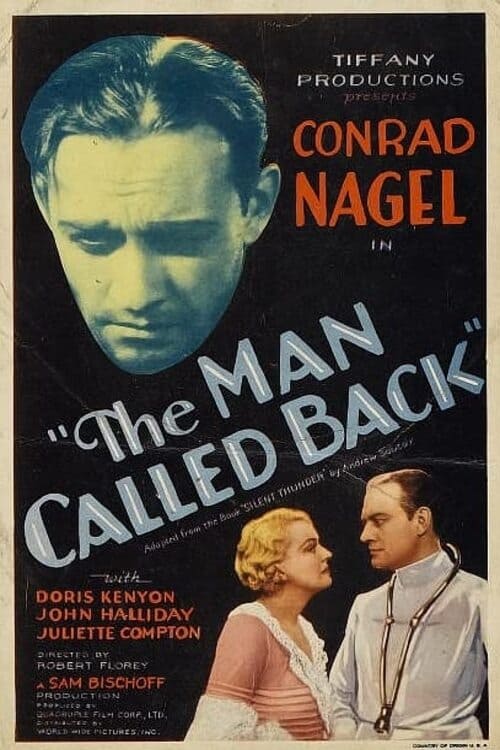
1932
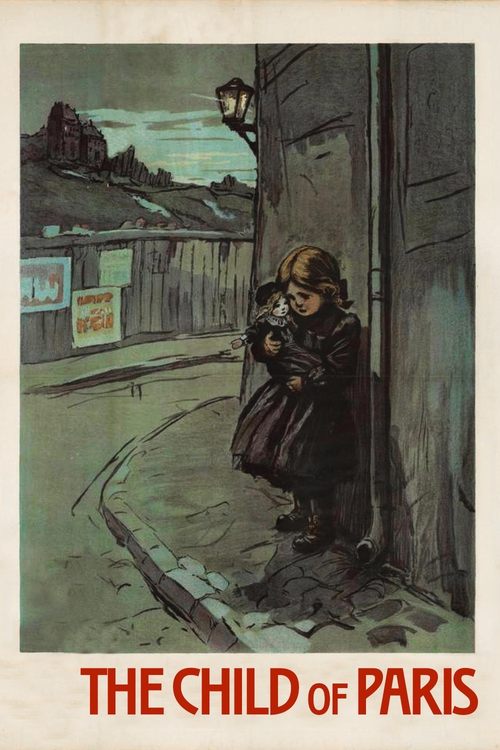
1913
No reviews yet. Be the first to share your thoughts on this movie!
Use the rating form above to leave a star rating and optional review.