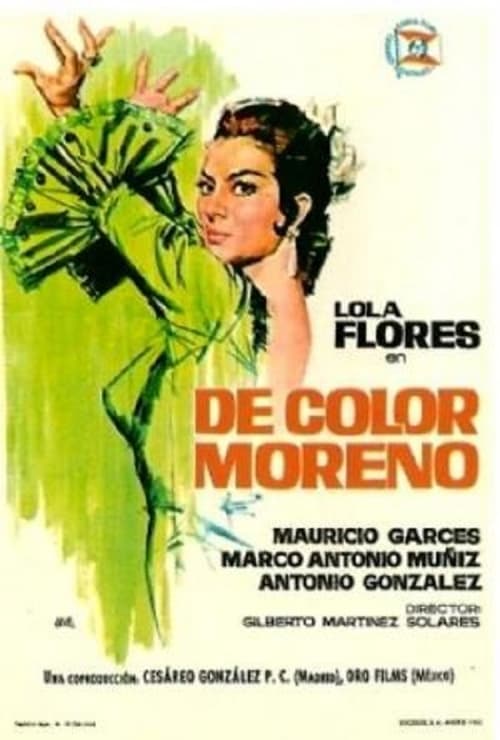
De color moreno
1963
No user ratings available yet
Representation score: 2.0 out of 10
Representation Score
Limited
1966
TV-PGDirector
Gilberto Martínez Solares
Runtime
90 minutes
Average Rating
No ratings yetNew Showbiz Analysis
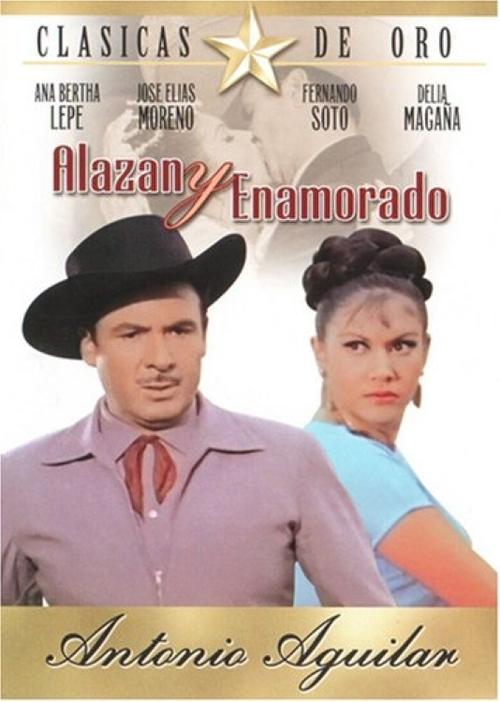
Alazán y enamorado is a traditional mid-century genre piece that adheres to the social conventions of the Golden Age of Mexican cinema. It prioritizes commercial storytelling and musical adventure over challenging systemic hierarchies. The film lacks the contemporary narrative structure needed to provide complex, multi-layered character's ability to drive the story. Instead, it reinforces standard romantic clichés and social expectations of 1966. While it offers a historical perspective on regional Mexican media, the work remains rooted in homogeneous casting and traditional archetypes of its era.
Category Breakdown
The film follows traditional heterosexual and cisgender romantic structures typical of 1960s musical comedies. There are no queer narratives or non-cisgender identities.
The narrative relies on traditional gender roles and archetypes common in mid-century Mexican cinema. It lacks subversion of domestic spheres or female intellect.
The production features a predominantly Mestizo and Latin American cast. However, the casting reinforces existing social stratifications without challenging them through multi-layered methods.
The film reinforces traditional morality and social cohesion. It does not engage in secularist or anti-capitalist critiques.
There is no information regarding the inclusion or portrayal of characters with physical or neurodivergent disabilities.
Present on Screen
Limited or Absent
Official Synopsis
Rom-com about two horses. And some humans.
1963
1937
1948
1994

1946
1966

1977
1969
No reviews yet. Be the first to share your thoughts on this movie!
Use the rating form above to leave a star rating and optional review.