
Assault on the Pay Train
1962
No user ratings available yet
Representation score: 2.4 out of 10
Representation Score
Fair
1983
TV-MADirector
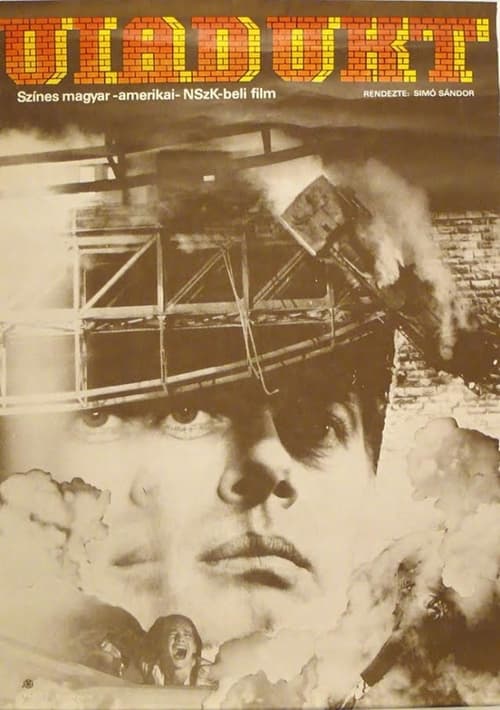
Sándor Simó
Runtime
105 minutes
Average Rating
No ratings yetNew Showbiz Analysis
The Train Killer functions as a traditional crime drama that leverages a significant historical event to drive its plot. Its primary narrative engine is the disruption of the Orient Express, a legendary symbol of Western luxury and connectivity. While the subject matter offers a degree of cultural complexity by challenging institutional stability, the film lacks documented evidence of diverse representation. It appears to operate within the conventional frameworks of 1980s historical crime cinema. Ultimately, the film's diversity is limited by its adherence to the social norms of its era and its focus on a male-driven crime narrative.
Category Breakdown
The film lacks explicit evidence of LGBTQ+ characters or narratives. Given the 1983 production and historical setting, the story likely adheres to the social norms of that era.
As a crime drama centered on sabotage, the narrative likely prioritizes male-driven action. Women may appear within the social strata of the Orient Express, but traditional gender hierarchies remain largely unexamined.
While the Orient Express is a vessel for international transit, the film likely features a Eurocentric cast typical of 1980s European productions. Specific non-white or non-Anglo-Saxon representation is not documented.
The film gains points by dramatizing the disruption of a major Western symbol of luxury. This focus on the destruction of the Orient Express implicitly engages with themes of systemic disruption.
There is no evidence of characters with visible or invisible disabilities. The film lacks documented character arcs addressing neurodivergence or physical disability.
Present on Screen
Limited or Absent
Official Synopsis
Based on a true story, this film is a dramatization of the events that led to the destruction of one of the most famous trains in history, the Orient Express.
1962
1962
1985
2008
1995
1975
1956
1971
No reviews yet. Be the first to share your thoughts on this movie!
Use the rating form above to leave a star rating and optional review.