
The Chase
2017
No user ratings available yet
Representation score: 3.3 out of 10
Representation Score
Limited
2018
Not RatedDirector
Kim Tae-gyoon
Runtime
111 minutes
Average Rating
No ratings yetNew Showbiz Analysis
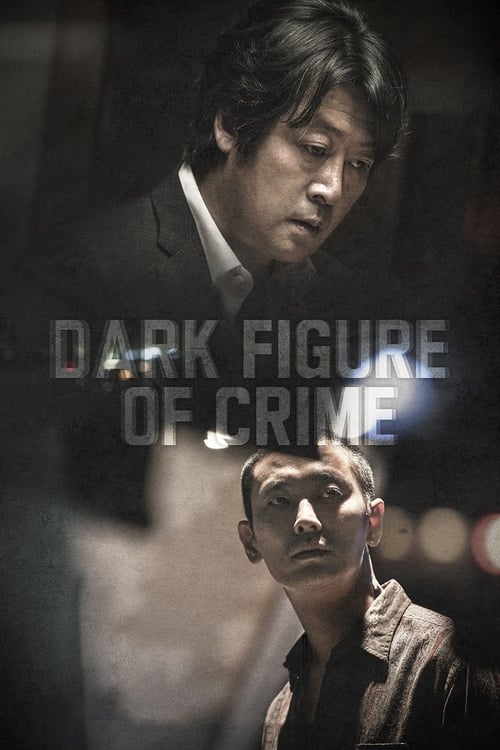
Dark Figure of Crime is a traditional neo-noir that emphasizes psychological tension and procedural realism. The film's structure is based on established male clichés and a homogeneous social context. The narrative primarily focuses on the confrontation between a detective and a suspect, which limits the representation of LGBTQ+ identities and women's ability to drive the story. While the film accurately reflects its South Korean setting, it does not explore broader multiculturalism or disability representation.
Category Breakdown
The film does not include any LGBTQ+ characters or queer-coded themes. The story revolves around a male-dominated, straight-centered investigation framework.
Women play roles within the story but do not have the ability to act to drive the main plot. The narrative emphasizes a traditional masculine perspective of authority and psychological conflict.
The cast is predominantly of a single cultural background, reflecting the South Korean setting. The film operates as a local procedural drama without exploring multicultural themes.
The film centers on the procedural aspects of the South Korean legal system. It examines the instability of truth without critiquing Western institutions.
Characters with visible or invisible disabilities are not central to the narrative. Psychological trauma is treated as a genre element rather than a representation of neurodivergence.
Present on Screen
Limited or Absent
Official Synopsis
A serial killer is caught for his seventh murder. A cop tries to solve the first six cases with the killer's help, but starts to suspect that he has ulterior motives. Based on a true story.
2017

2016

2003

1968
2015

2009

2007
2017
No reviews yet. Be the first to share your thoughts on this movie!
Use the rating form above to leave a star rating and optional review.