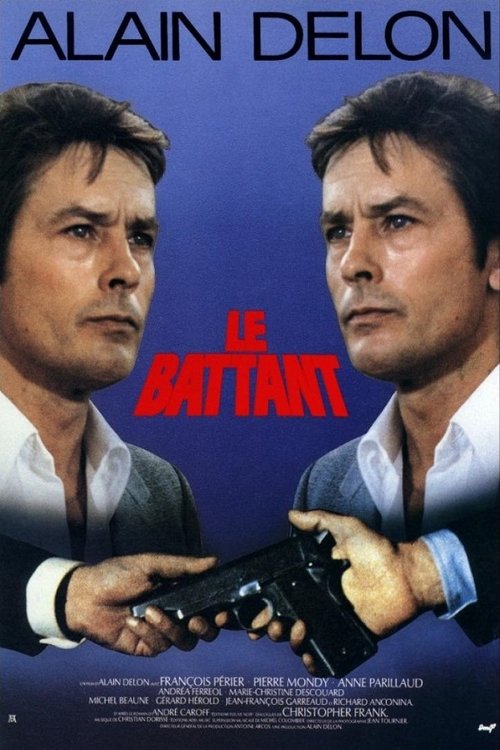
The Fighter
1983
No user ratings available yet
Diversity score: 2.7 out of 10
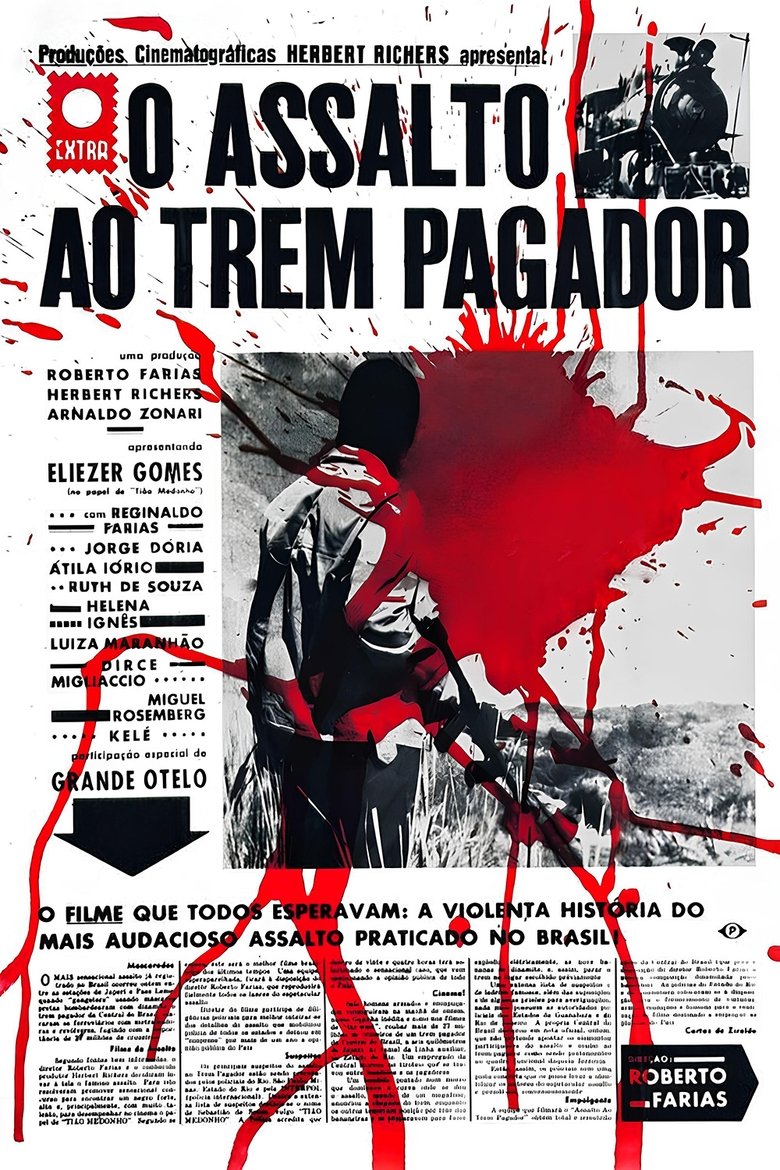
1962
Director
Roberto Farias
Runtime
102 minutes
Average Rating
No ratings yetSynopsis
Based on true events in Rio de Janeiro, in 1960, when a gang having the infamous outlaw Tião Medonho as a leader performed a sensational railroad hold-up on a train carrying a small fortune.
Overall Score
Limited
Category Breakdown
LGBTQ+ Representation
The film lacks any evidence of non-cisnormative identities or same-sex intimacy. The narrative focuses strictly on a criminal gang and a high-stakes robbery.
Gender Representation
The story prioritizes masculine archetypes of leadership and physical confrontation. Female characters likely occupy traditional domestic or secondary roles within the period's hierarchies.
Racial & Ethnic Diversity
The Rio de Janeiro setting suggests a cast reflecting Brazil's racial plurality. However, the film likely adheres to conventional casting patterns of the era.
Religious & Cultural Diversity
The narrative centers on individual criminality and a heist rather than a critique of institutions. It reinforces social order through the lens of law enforcement.
Disability Representation
There is no documented evidence regarding the portrayal of physical or neurodivergent disabilities within this narrative.
Strengths
Areas for Improvement
AI Analysis
Assault on the Pay Train is a period-specific crime drama that prioritizes genre conventions over social representation. The film focuses on the dramatization of a historical heist led by Tião Medonho, centering the narrative on masculine archetypes and criminal tension. While the Brazilian setting implies a level of ethnic diversity, the film does not appear to intentionally challenge social hierarchies. Instead, it follows the mid-century cinematic structure of a crime procedural, emphasizing the pursuit of outlaws and the maintenance of social order. Ultimately, the work functions as a traditional heist film. It lacks significant representation of LGBTQ+ identities or disability, and its gender dynamics remain rooted in the standard hierarchies of 1960s cinema.
1983
1960
1983
1941
1998
1960
2009
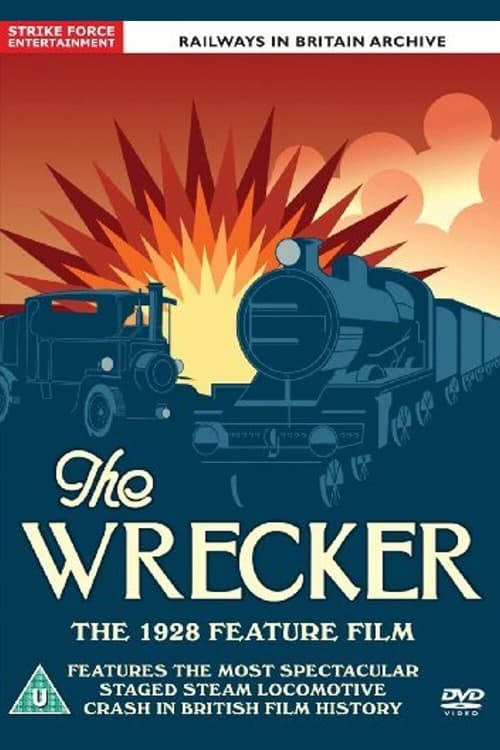
1929
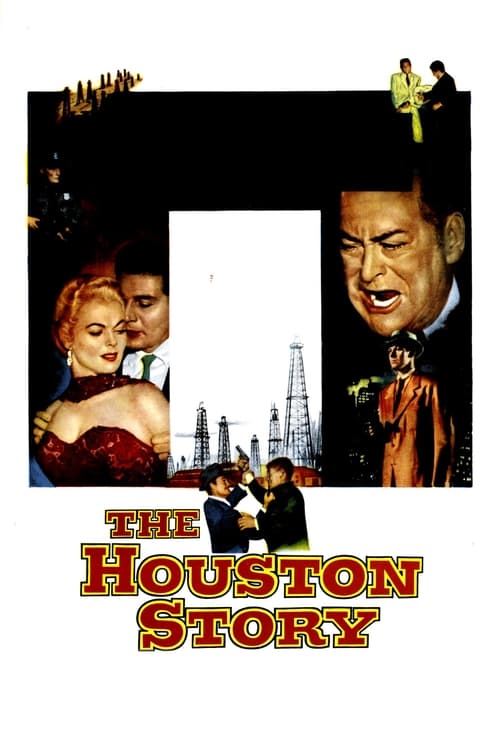
1956

2010
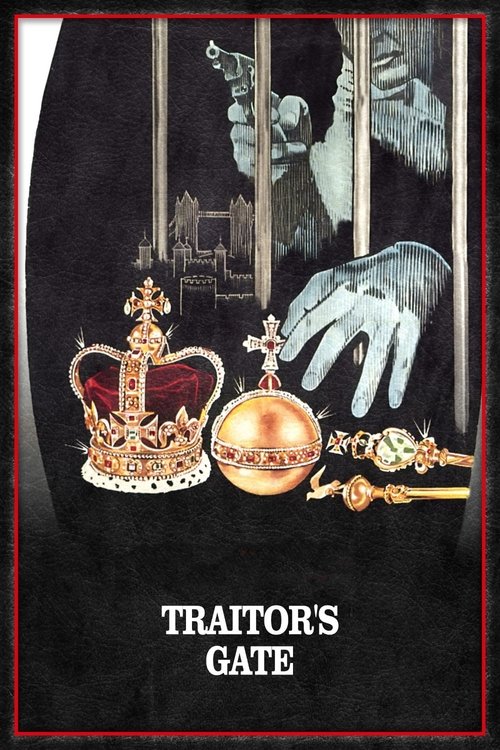
1964
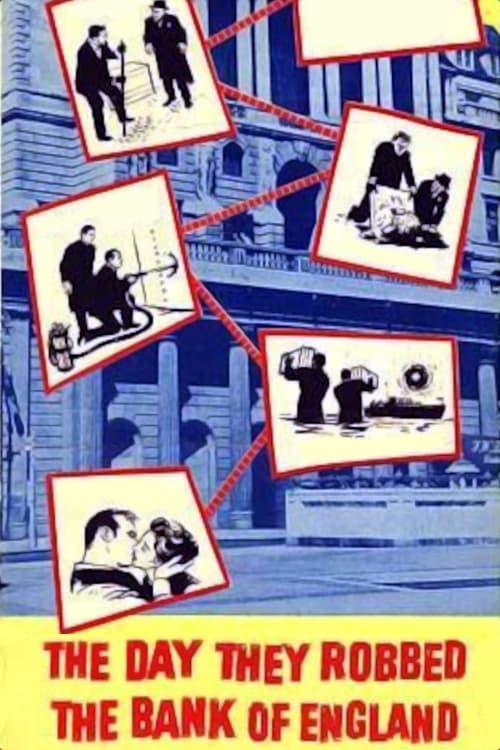
1960
No reviews yet. Be the first to share your thoughts on this movie!
Use the rating form above to leave a star rating and optional review.