
Peaceful
2021
No user ratings available yet
Diversity score: 6.0 out of 10
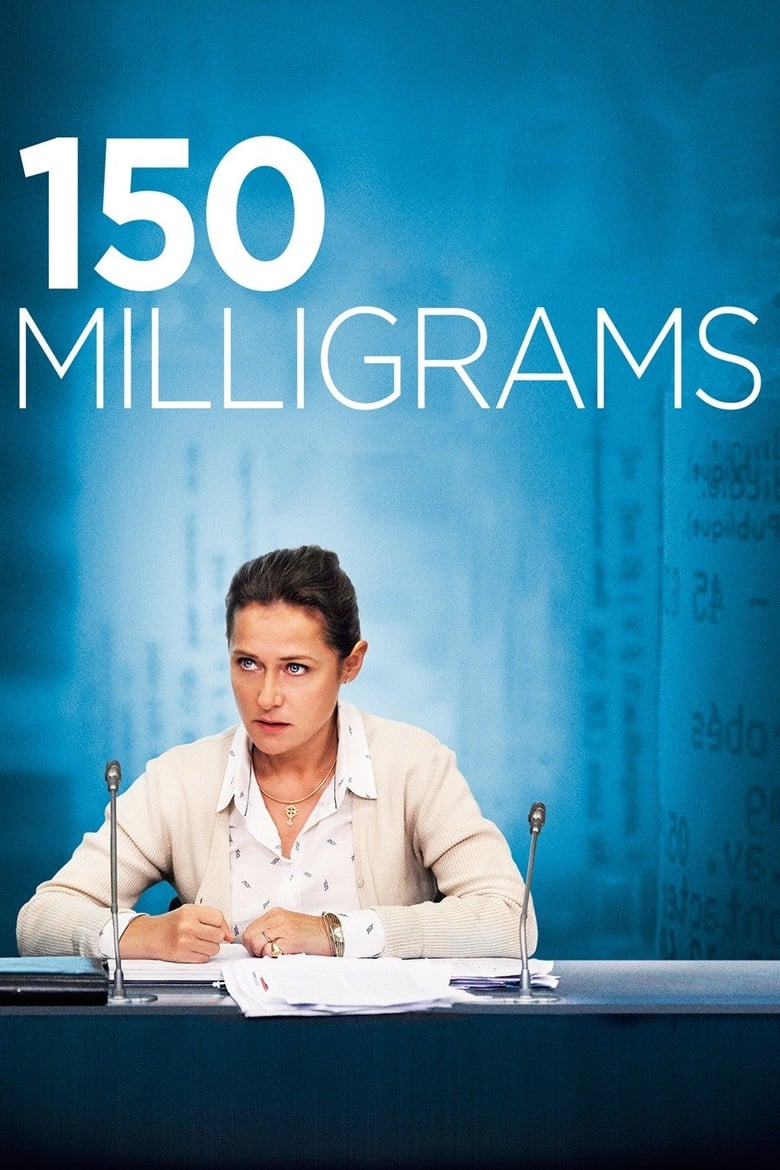
2016
Director
Emmanuelle Bercot
Runtime
128 minutes
Average Rating
No ratings yetSynopsis
In the hospital where she works in Brest, France, a lung specialist discovers a direct link between suspicious deaths and state-approved medicine. She fights single-handedly for the truth to come out.
Overall Score
Fair
Category Breakdown
LGBTQ+ Representation
The film lacks LGBTQ+ characters or non-heteronormative identities. The narrative focuses exclusively on the protagonist's internal psychological and physiological experiences.
Gender Representation
A strong female lead drives the story through intellectual and psychological agency. The film subverts traditional hierarchies by avoiding submissive tropes and focusing on her individual struggle.
Racial & Ethnic Diversity
The cast is relatively homogeneous, reflecting a specific regional context in Brest, France. It lacks intentional intersectional casting, focusing instead on a localized experience.
Religious & Cultural Diversity
The film critiques Western cultural pressures and the obsession with aesthetic perfection. It explores the tension between individual subjective reality and intrusive medical institutions.
Disability Representation
The film provides a sophisticated portrayal of an eating disorder as an invisible disability. It treats the psychological complexities of mental health with clinical depth and empathy.
Strengths
Areas for Improvement
AI Analysis
Emmanuelle Bercot’s drama succeeds as a character study that challenges systemic medical authority and societal beauty standards. By centering on a woman's intellectual battle against her own biology, the film avoids common gendered tropes and offers a rigorous look at mental health. However, the film's impact is limited by its narrow demographic scope. The lack of LGBTQ+ representation and a homogeneous cast restrict the narrative's intersectional breadth, keeping the story rooted in a specific, localized French context. Ultimately, the film is a powerful exploration of bodily autonomy. It excels in its nuanced treatment of invisible disabilities, even while remaining a relatively singular, non-diverse social portrait.
2021
1991

2025
2007
2018
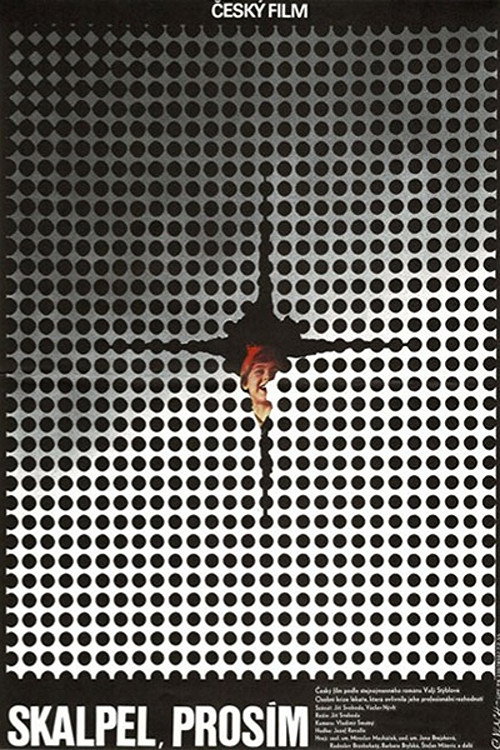
1986
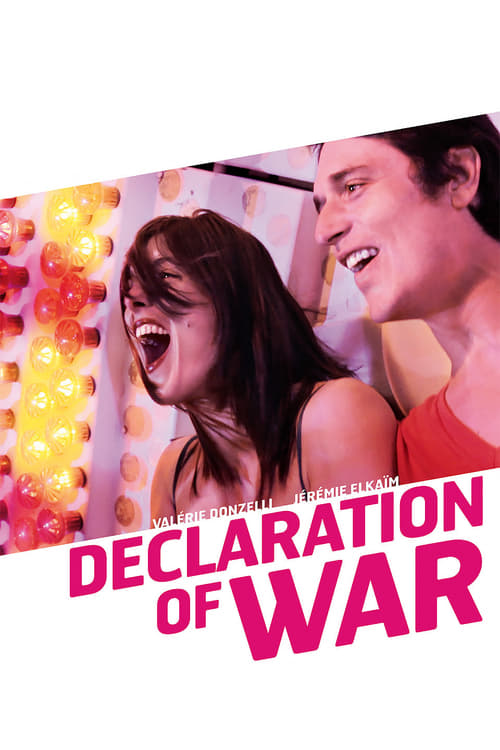
2011
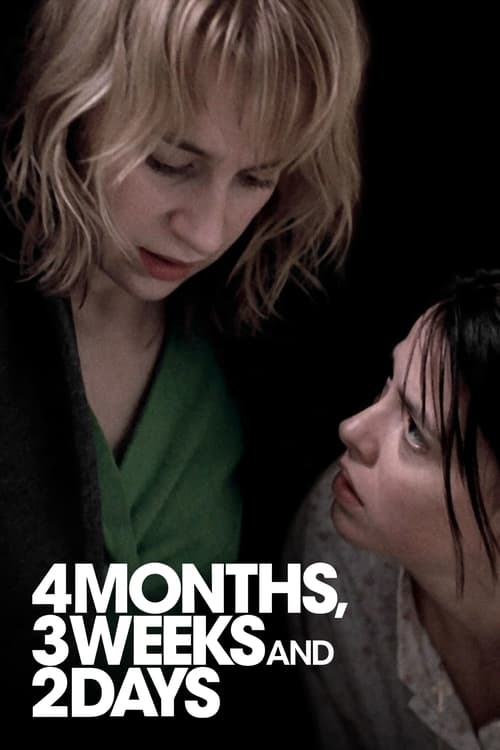
2007
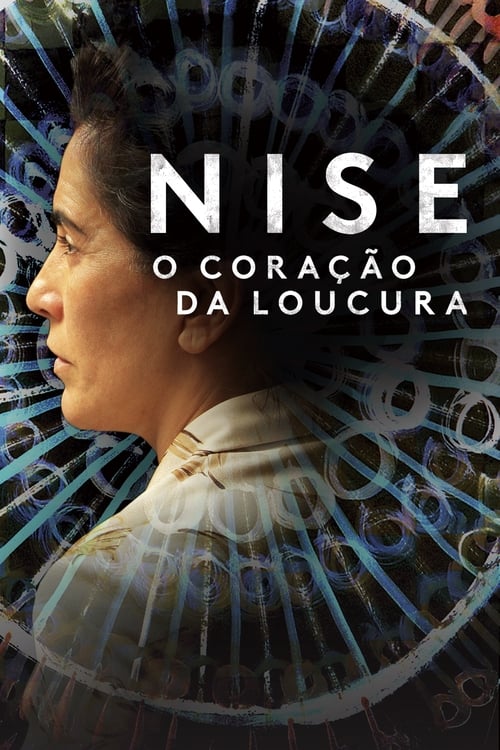
2016

2015

2016
2015
No reviews yet. Be the first to share your thoughts on this movie!
Use the rating form above to leave a star rating and optional review.