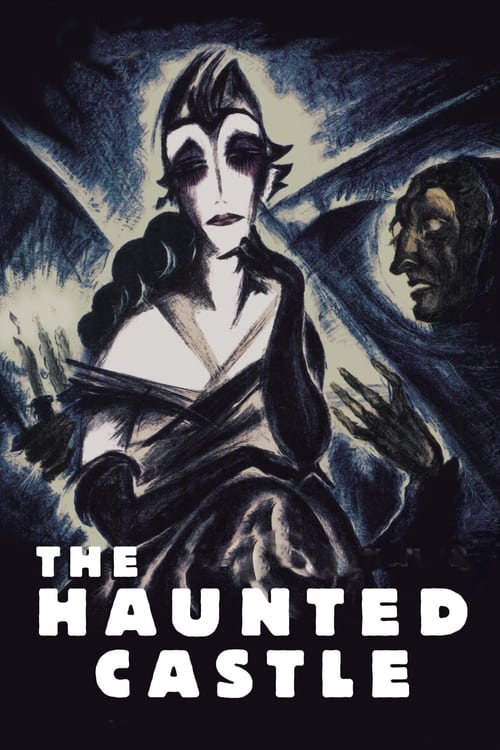
The Haunted Castle
1921
No user ratings available yet
Representation score: 3.0 out of 10
Representation Score
Limited
1923
PassedDirector
Léonce Perret
Runtime
180 minutes
Average Rating
No ratings yetNew Showbiz Analysis
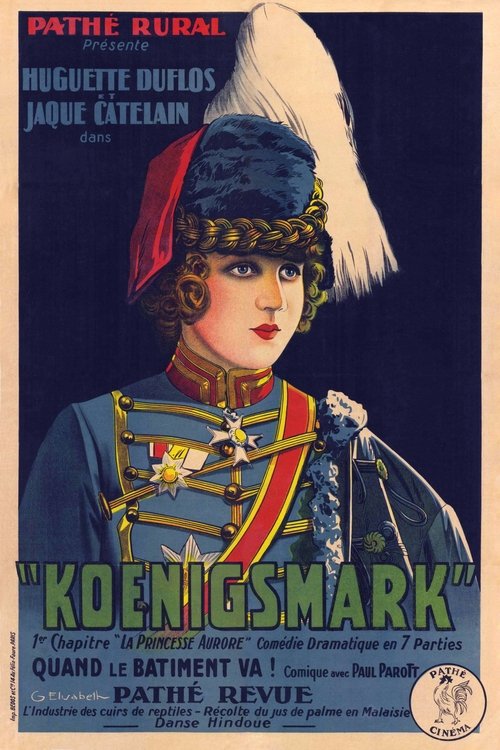
The Secret Spring reflects the social norms of its era through a straightforward view of early 20th-century gender roles. Aurora’s journey is shaped by her father’s wishes and her husband’s death, leaving her choices constrained by her social position. The narrative does not challenge the power structures of the time. The story centers on a forced marriage and the aftermath of a murder within a European aristocratic family. Representation is limited to the white, heterosexual, able-bodied norm of the period. Men hold all positions of power, while women are framed as passive recipients of male decisions. The cast consists entirely of white European actors portraying aristocratic characters. The film offers a clear depiction of arranged marriage dynamics and period-accurate casting for a 1923 French production. However, it lacks racial or ethnic diversity and offers no representation of disability or LGBTQ+ identities.
Category Breakdown
The film presents no same-sex romance or non-heteronormative identities. The central relationship is a heterosexual marriage between Aurora and Rudolph. A secondary romantic interest develops between Aurora and her tutor, but no LGBTQ+ themes appear.
Women are framed as passive recipients of male decisions. Aurora is forced into an unhappy marriage to fulfill her father’s wish. Men hold all positions of power, including the Grand Duke and the professor, while her life is driven by their actions.
The cast consists entirely of white European actors portraying aristocratic characters. The story is set in a fictional European kingdom and Paris. No characters of color appear in the cast or narrative, and the Congo is mentioned only as a destination.
Traditional aristocratic family structures are portrayed as the primary source of conflict. Aurora’s marriage is arranged by her father, highlighting the weight of familial duty. Wealth and status define the characters’ lives without institutional critique.
No characters with physical or mental disabilities appear in the film. The narrative focuses on aristocratic romance, murder, and social duty. There are no plot points involving disability, chronic illness, or neurodivergence.
Present on Screen
Limited or Absent
Official Synopsis
To fulfill her Father's wish, Grand Duchess Aurora (Huguette Duflos) is forced into an unhappy marriage with Grand Duke Rudolph (Henry Houry). He prepares to leave for the Congo but is murdered by his own brother (Georges Vaultier). Aurora goes to Paris with her father and, there, is told on the phone of her husband's death. After returning to the Kingdom, she meets a tutor (Jaque Catelain) who falls in love with her..
1921
1947
1917
1926
1923
1924
1919
1957
No reviews yet. Be the first to share your thoughts on this movie!
Use the rating form above to leave a star rating and optional review.