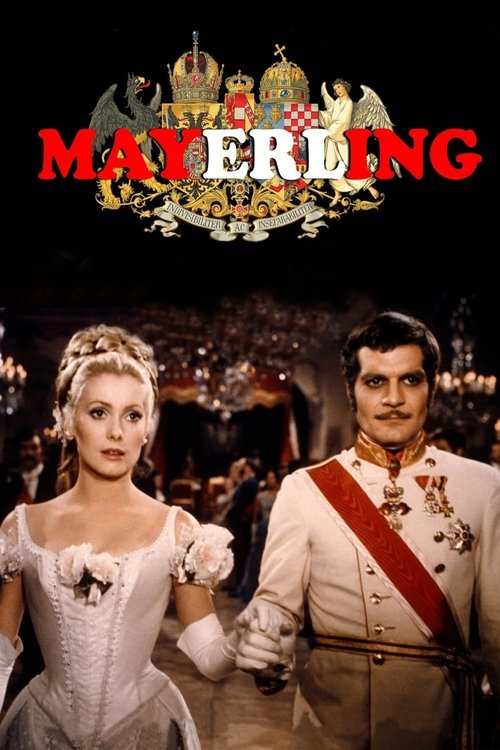
Mayerling
1968
No user ratings available yet
Representation score: 1.2 out of 10
Representation Score
Minimal
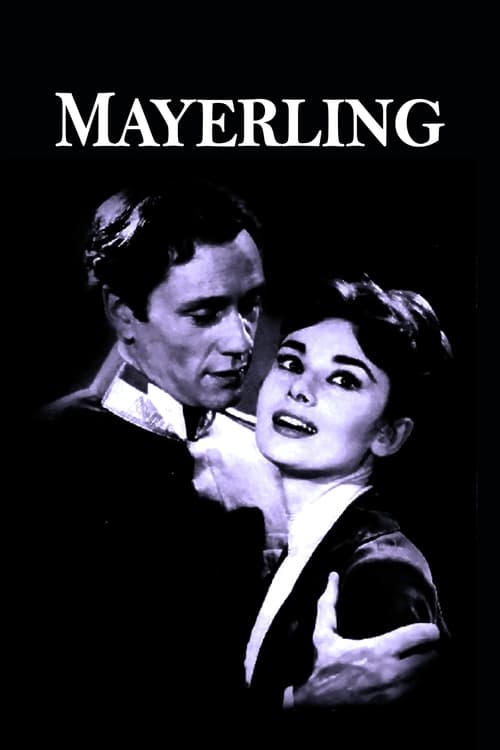
1957
Director
Anatole Litvak, Kirk Browning
Runtime
85 minutes
Average Rating
No ratings yetNew Showbiz Analysis
Mayerling is a traditional historical melodrama that emphasizes romantic fatalism over social critique. It operates within the rigid demographic and social constraints of its era, focusing on the tragic relationship between Crown Prince Rudolf and Marie Vetsera. The film adheres to mid-century studio traditions, presenting a Eurocentric view of the Austro-Hungarian Empire. It lacks diverse identities, focusing instead on the personal struggles of the aristocracy within established imperial structures. While the film explores themes of autonomy against patriarchal rule, it does so through a personal lens rather than a systemic critique. The result is a period piece that reinforces historical hierarchies rather than challenging them.
Category Breakdown
The film does not include any LGBTQ+ characters or non-cisgender identities. The central conflict revolves around a heterosexual relationship.
Marie Vetsera shows strong emotional involvement, but her character arc is defined by her devotion to the male lead. The Prince's struggle against patriarchal authority is portrayed as a personal fight for freedom.
The cast is uniform, reflecting the homogeneity typical of 1957-era casting practices. It presents a purely European aristocratic environment without any non-white perspectives.
The narrative upholds Western imperial grandeur through a traditional period lens. Religious and state institutions serve as a conventional backdrop for this classic tragic storyline.
There are no visible or invisible disabilities depicted in the narrative.
Present on Screen
Limited or Absent
Official Synopsis
Mayerling is the name of a notorious Austrian village linked to a romantic tragedy. At a royal hunting lodge there, in 1889, Crown Prince Rudolf--desperate over his father's command to put away his teenage mistress, the Baroness Marie Vetsera--shot her to death and killed himself. The misfortune may indeed have been a murder-suicide, but perhaps it was a political assassination, or even the result of a lunatic family vendetta: scholarship is still catching up with the facts.
1968
1973
1936

1957
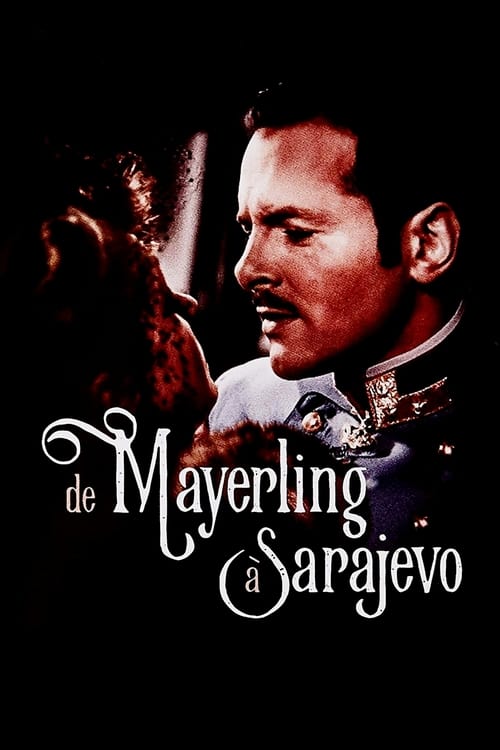
1940
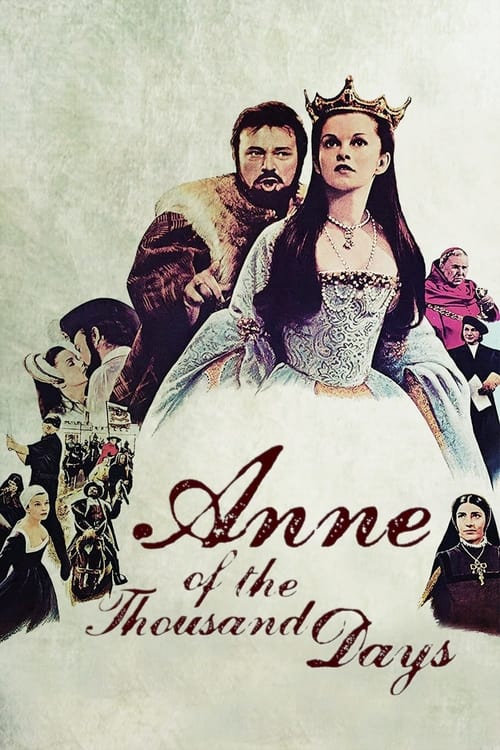
1969
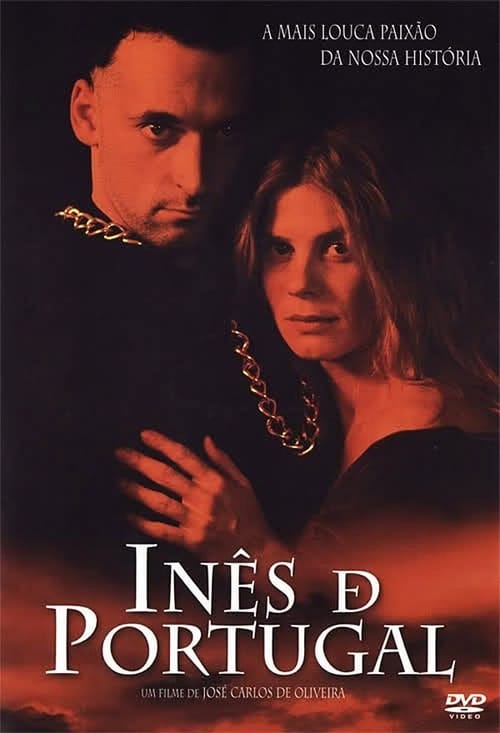
1997

2014
No reviews yet. Be the first to share your thoughts on this movie!
Use the rating form above to leave a star rating and optional review.