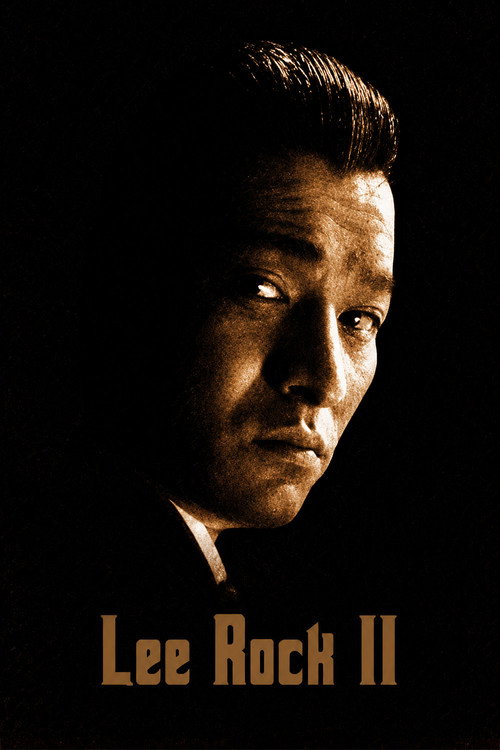
Lee Rock II
1991
No user ratings available yet
Diversity score: 5.6 out of 10

1992
Director
Lawrence Ah-Mon
Runtime
73 minutes
Average Rating
No ratings yetSynopsis
The final part of the Lee Rock trilogy. Lee Rock's rise to power with the corruption of the Hong Kong Police is about to crumble beneath him. With the discovery of him being a father of a uncorruptable cop and his dying first love, can Lee Rock manage to keep from being swallowed by the new Police Officials, save his former flame and become a father to his long forgotten son? (This third film is simply a compilation of the first two films in a shortened version of 1 hour 13 mins).
Overall Score
Fair
Category Breakdown
LGBTQ+ Representation
The film lacks explicit queer narratives or non-cisnormative identities. The story focuses on the protagonist's romantic history with a first love and his paternal ties.
Gender Representation
The narrative is dominated by male police and criminal hierarchies. Female characters, such as the protagonist's former flame, appear primarily as emotional catalysts for the male lead.
Racial & Ethnic Diversity
Set in Hong Kong, the film inherently features an East Asian demographic. It explores local power dynamics and institutional corruption within a specific non-Western cultural landscape.
Religious & Cultural Diversity
The film challenges traditional authority by centering on a corrupt protagonist. It disrupts heroic tropes to explore the systemic failure of law and order through a relativistic lens.
Disability Representation
There is no mention of characters navigating physical, neurodivergent, or mental health conditions within the narrative.
Strengths
Areas for Improvement
AI Analysis
Lee Rock III serves as a character study of systemic corruption and moral decay. It gains strength from its cultural specificity and its refusal to adhere to idealized, Western-style heroic tropes. By focusing on the crumbling of power structures in Hong Kong, the film offers a sophisticated, morally gray perspective on institutional integrity. However, the film's diversity is limited by its narrow narrative focus. The story is heavily centered on male-dominated power struggles, leaving little room for diverse gender roles or queer identities. The female presence is relegated to supporting the protagonist's emotional arc rather than driving the central conflict. Ultimately, while the film excels in cultural authenticity and deconstructing institutional sanctity, it lacks breadth in representing marginalized identities such as the LGBTQ+ community or individuals with disabilities.
1991
2012
1998
1995
2013
2003
2005
1992
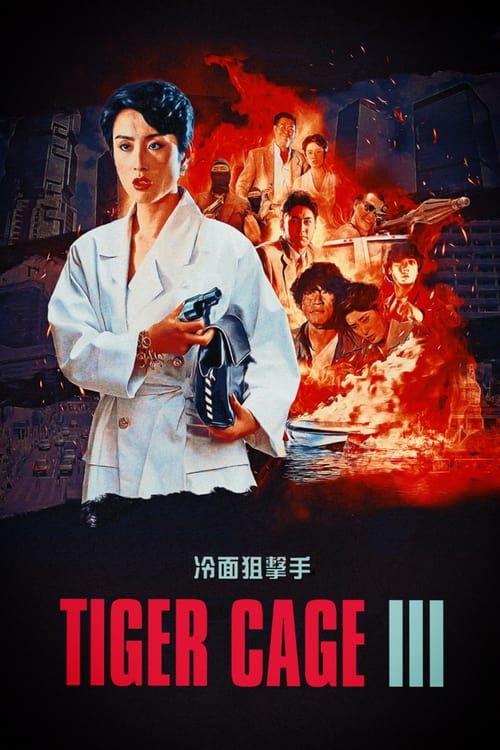
1991
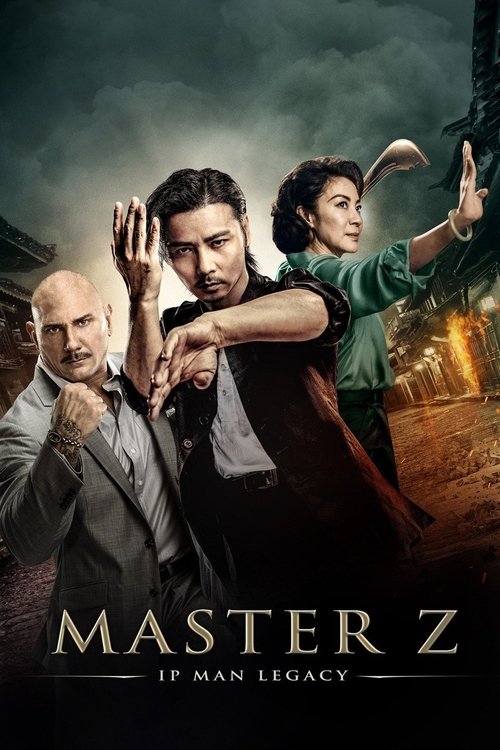
2018
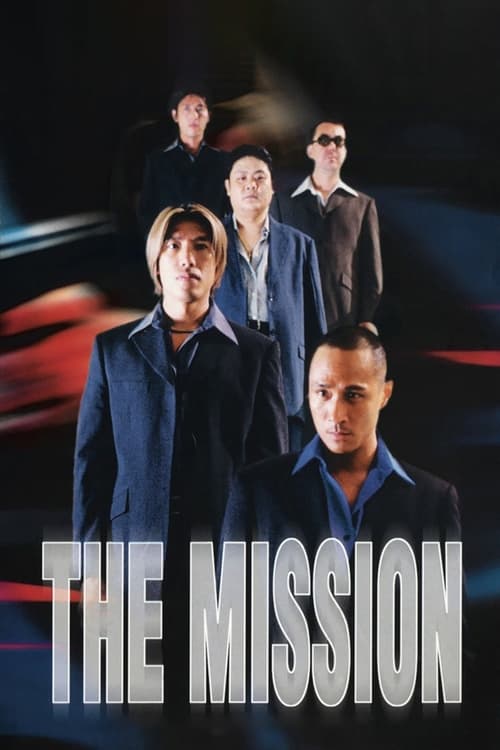
1999
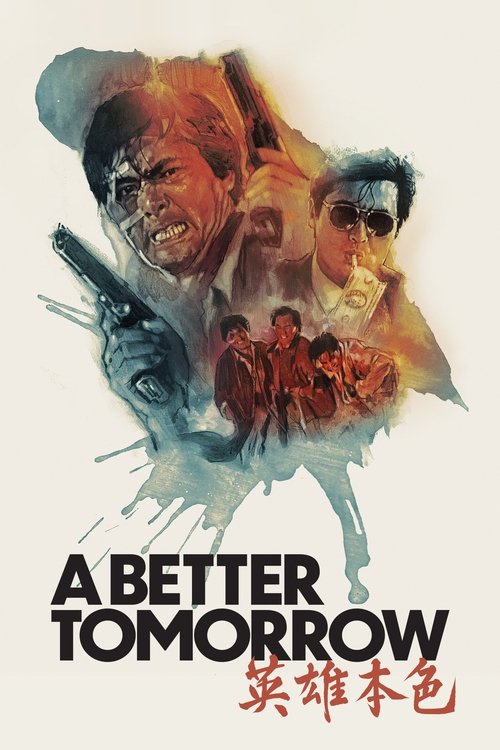
1986
No reviews yet. Be the first to share your thoughts on this movie!
Use the rating form above to leave a star rating and optional review.