
Bujang Lapok
1957
No user ratings available yet
Representation score: 3.3 out of 10
Representation Score
Limited
1961
Director
P. Ramlee
Runtime
121 minutes
Average Rating
No ratings yetNew Showbiz Analysis
P. Ramlee’s work is a significant piece of cultural storytelling that emphasizes local authenticity. By focusing on the lives of the Malay working class, the film provides a sophisticated critique of social mobility and the allure of stardom. While it upholds traditional gender roles and lacks LGBTQ+ representation, it avoids reinforcing rigid hierarchies. The protagonists are depicted as deeply flawed and socially disorganized, adding layers of social satire.
Category Breakdown
The film follows the traditional heterosexual norms of 1960s Malay cinema, with no depictions of diverse sexual orientations or gender identities.
Men drive the comedic energy and momentum, while women are mostly shown in romantic or domestic roles. However, the men's bumbling nature challenges typical dominant male stereotypes.
The film authentically portrays Malay identity, avoiding Western cinematic clichés by focusing on a non-Western cast and addressing localized socioeconomic issues.
The narrative offers a nuanced look at the working class through satire, reflecting the Islamic social fabric of the time without promoting strict moral codes.
There are no visible or invisible disabilities portrayed within the main storyline.
Present on Screen
Limited or Absent
Official Synopsis
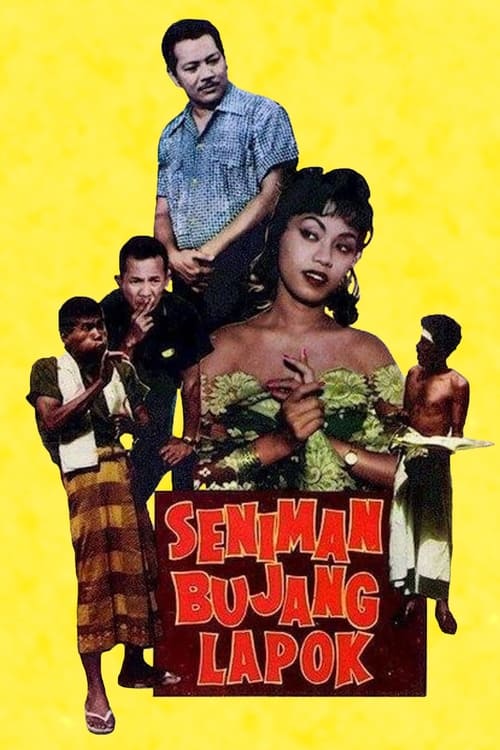
Jobless and penniless, the happy-go-crazy trio Ramli, Aziz, and Sudin decide to try their luck as movie stars while navigating the daily challenges of living in a crowded boarding house. The studio manager promises them a break if they can prove their talent in a screen test, but their naivety and inexperience lead to hilarious results. With their ongoing antics, will fame in showbiz change them in any way? The fourth installment of the 'Bujang Lapok' series. This film chronicles the misadventures of the three bachelors as they embark on their quest for stardom. Along the way, they also contend with their eccentric neighbors and Ramli’s budding romance with one of them.
No reviews yet. Be the first to share your thoughts on this movie!
Use the rating form above to leave a star rating and optional review.