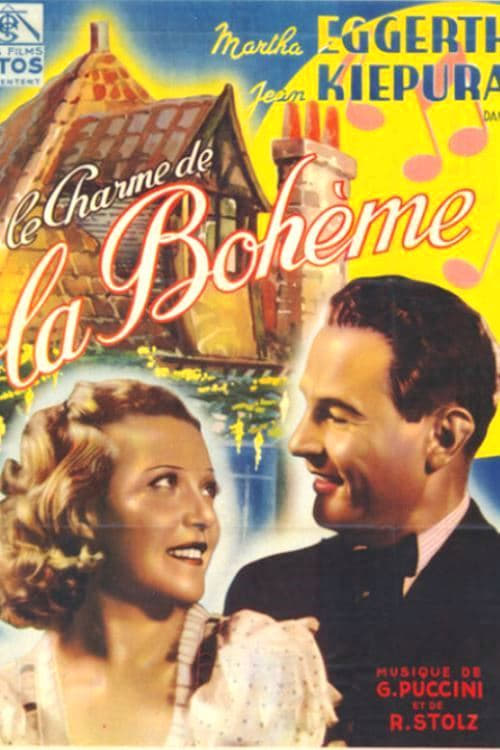
The Charm of La Bohème
1937
No user ratings available yet
Representation score: 3.6 out of 10
Representation Score
Minimal
1934
Director
Paul L. Stein
Runtime
87 minutes
Average Rating
No ratings yetNew Showbiz Analysis
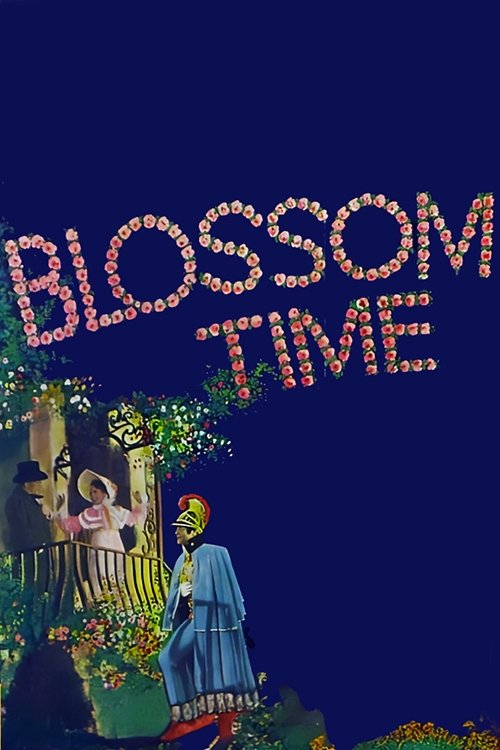
Blossom Time is a traditional musical romance that focuses on melodic escapism rather than social issues. It serves as a biographical dramatization of Franz Schubert, emphasizing classical European aesthetics and conventional romantic ideals. The film adheres to the narrative structures of the 1930s, emphasizing the emotional depth of a celebrated male composer while reinforcing established social hierarchies. Ultimately, the work celebrates Western heritage. It lacks the intentionality needed to explore diverse identities or challenge the status quo of its time.
Category Breakdown
The film follows traditional heterosexual romantic themes typical of 1930s biographical dramas. There is no visible representation of LGBTQ individuals or their experiences.
The story revolves around a male protagonist's emotional journey. The female lead mainly serves as an object of desire rather than a key driver of the plot.
Set in the early 19th-century Viennese musical scene, the film features a homogeneous Western European cast. It offers almost no representation of diverse racial backgrounds.
The film highlights Western high culture and classical musical traditions. It upholds historical legacies without critiquing these traditions.
The narrative does not include any depiction of physical or neurodivergent disabilities.
Present on Screen
Limited or Absent
Official Synopsis
World-renowned tenor Richard Tauber features in a dramatisation of the life of Schubert, focusing on the composer's unrequited love for a dance master's daughter.
1937
1955
1934
1934
1929

1938

1936
1956
No reviews yet. Be the first to share your thoughts on this movie!
Use the rating form above to leave a star rating and optional review.