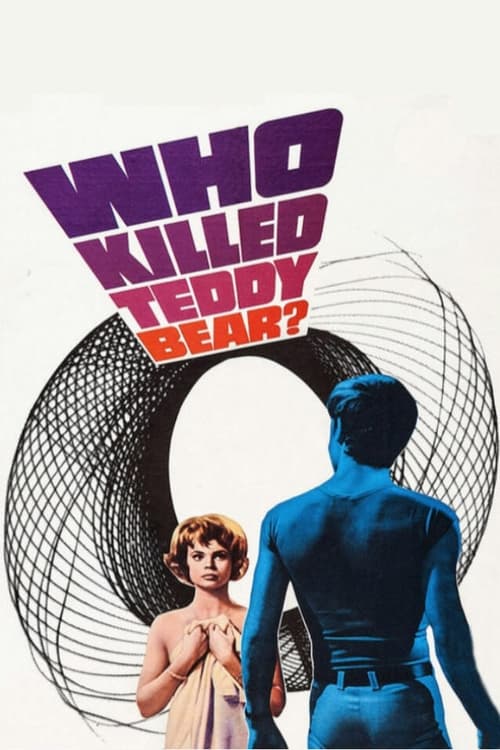
Who Killed Teddy Bear?
1965
No user ratings available yet
Representation score: 3.5 out of 10

Representation Score
Limited
1959
Not RatedDirector
Terry Bishop
Runtime
61 minutes
Average Rating
No ratings yetNew Showbiz Analysis
Cover Girl Killer is a classic example of mid-century genre filmmaking that emphasizes traditional social structures. The narrative relies heavily on established clichés, particularly in how women and mental health are portrayed. The film lacks complexity in addressing multiple aspects of identity, focusing instead on a standard procedural manhunt. This results in a narrow perspective that reinforces the era's social norms rather than challenging them. Ultimately, the production serves as a period piece that mirrors the era's lack of diversity in casting and character development.
Category Breakdown
The film adheres to a traditional framework that assumes everyone is straight or cisgender, typical of 1959 crime thrillers. There is no depiction of same-sex relationships or non-cisgender identities.
Women play key roles in the plot but are often portrayed as aesthetic objects or victims. The narrative focuses on the male-dominated police force during the manhunt.
The film reflects the homogeneity of its time, centering on a conventional Western demographic. There is no indication of a diverse cast or race-bent casting.
The story upholds mid-century social structures and institutional order. It centers on restoring safety through a standard procedural approach, reinforcing Western norms.
Mental instability is used as a simple plot device to characterize the antagonist. The film lacks a nuanced or empowered portrayal of neurodivergence.
Present on Screen
Limited or Absent
Official Synopsis
A madman is on the loose... killing fashion models that appear on the cover of magazines. The police start a manhunt in an attempt to capture the killer.
1965
1956

1973

1948

1962
1949

1952
1958
No reviews yet. Be the first to share your thoughts on this movie!
Use the rating form above to leave a star rating and optional review.