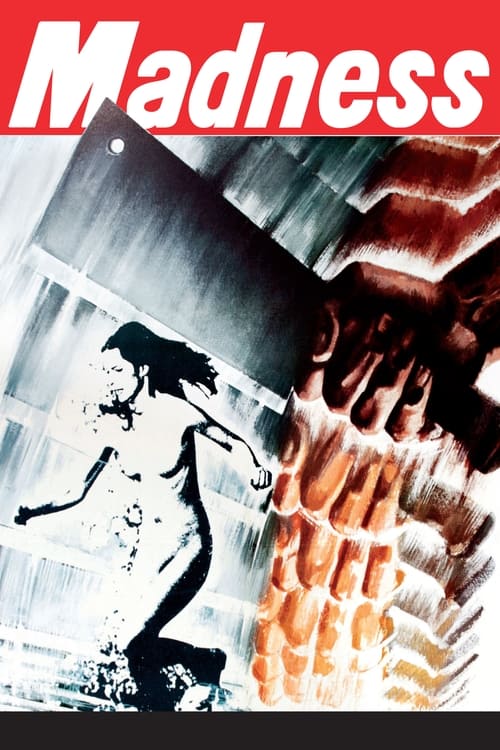
Madness
1980
No user ratings available yet
Representation score: 1.0 out of 10

Representation Score
Minimal
1975
RDirector
Henri Verneuil
Runtime
125 minutes
Average Rating
No ratings yetNew Showbiz Analysis
The film follows the conventional storytelling structures of 1970s crime cinema, relying heavily on established genre clichés that emphasize traditional crime-and-punishment arcs. Character roles are defined by rigid gender dynamics, with female characters having limited ability to act. The production presents a homogeneous social landscape, reinforcing existing social hierarchies without challenging them.
Category Breakdown
The film does not include any LGBTQ+ characters or address issues related to the assumption that everyone is straight or cisgender.
Women in the film are portrayed mainly as victims, while a male authority figure leads the investigation, reinforcing traditional gender roles.
The story takes place in a predominantly white, Anglo-Saxon setting in Paris, lacking diverse representation or multi-layered complexity.
It is a typical crime thriller that upholds Western institutions and social order, following a conventional hero-versus-villain storyline.
There are no characters with visible or invisible disabilities mentioned in the film.
Present on Screen
Limited or Absent
Official Synopsis
A serial-killer frightens Paris by phoning young ladies at night, telling them insults about their lives. Minos, as he calls himself, wants to prevent the world from free women and he targets at first these ones. Commissaire Letellier is given the investigation and he has hard work with the maniac.
1980

1975
2000
1976
1976
1956
1972
1977
No reviews yet. Be the first to share your thoughts on this movie!
Use the rating form above to leave a star rating and optional review.