Under the Roofs of Paris
1930
No user ratings available yet
Diversity score: 3.1 out of 10
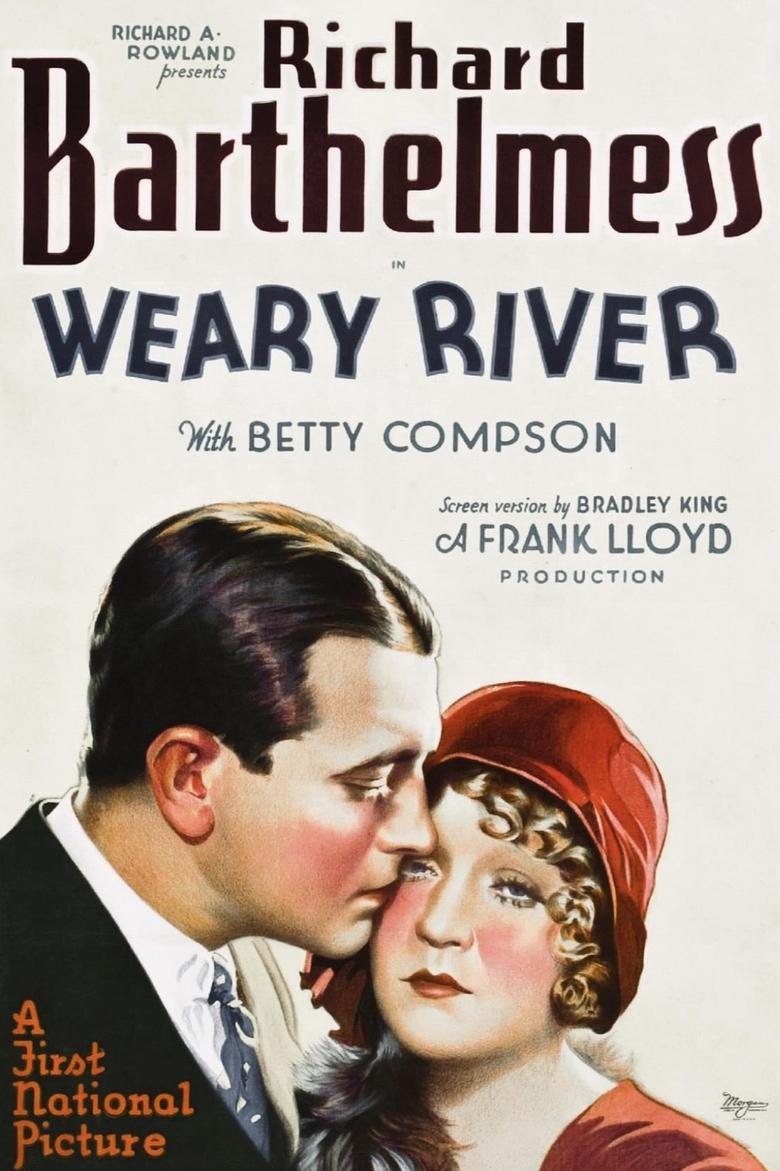
1929
NRDirector
Frank Lloyd
Runtime
86 minutes
Average Rating
No ratings yetSynopsis
A gangster is put in prison, but finds salvation through music while serving his time. Again on the outside, he finds success elusive and temptations abound.
Overall Score
Fair
Category Breakdown
LGBTQ+ Representation
The film lacks any LGBTQ+ characters or explorations of non-heteronormative identities. The romantic structure is strictly limited to a heterosexual pairing.
Gender Representation
The female lead demonstrates agency by navigating complex class and racial expectations. She avoids being a purely submissive archetype, making active emotional and social choices.
Racial & Ethnic Diversity
A high-stakes interracial romance between a Black man and a white woman disrupts the era's standard of white domesticity. The Black protagonist is granted significant narrative agency and emotional depth.
Religious & Cultural Diversity
The narrative critiques rigid social and legal structures of the Jim Crow-era South. It highlights the friction within traditional hierarchies by prioritizing human experience over systemic norms.
Disability Representation
There is no discernible representation of physical, sensory, or neurodivergent disabilities within the film.
Strengths
Areas for Improvement
AI Analysis
Weary River stands out as a progressive artifact for 1929 by centering an interracial romance. This choice forces a confrontation with the systemic power dynamics and racial caste systems of the American South, moving beyond the era's typical homogeneous narratives. The film's strength is its willingness to explore the friction between individual agency and oppressive social institutions. By placing a Black protagonist at the center of a moral conflict, the story provides a foundational critique of the era's social hierarchies. However, the film remains tethered to certain period-specific tropes and lacks representation for LGBTQ+ identities or disabilities. While it challenges racial homogeneity, it operates within the traditional romantic architectures of its time.
1930
1928
1931
1939
1928

1930
1930
1933

1933
1934
1937
1931
No reviews yet. Be the first to share your thoughts on this movie!
Use the rating form above to leave a star rating and optional review.