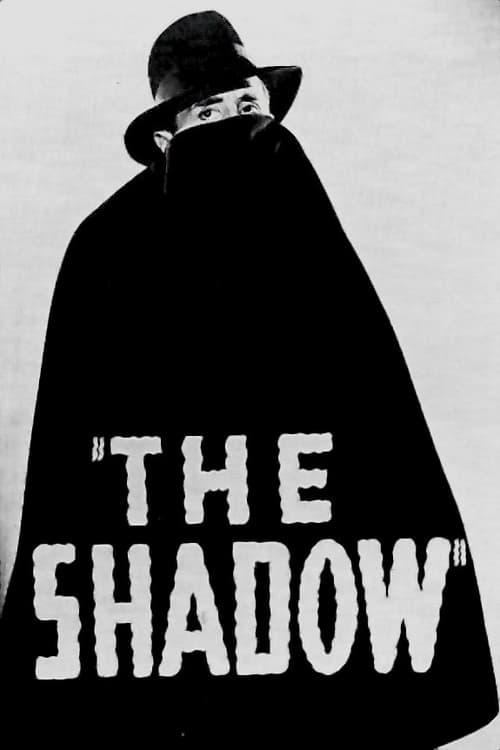
The Shadow
1940
No user ratings available yet
Representation score: 0.3 out of 10
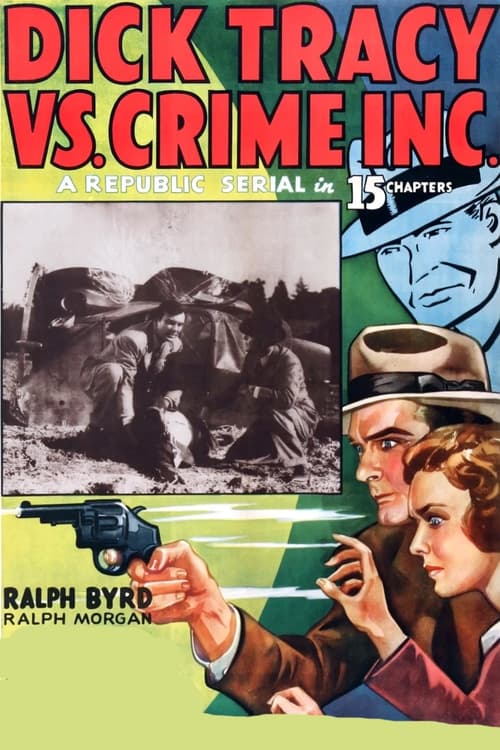
Representation Score
Minimal
1941
PassedDirector
William Witney, John English
Runtime
263 minutes
Average Rating
No ratings yetNew Showbiz Analysis
This serial is a quintessential product of its era, prioritizing high-action storytelling over social complexity. The narrative structure is designed to uphold, rather than challenge, the institutional norms of the early 1940s. Representation is limited by the period's standard genre conventions. The film focuses on reinforcing established authority figures and traditional gender hierarchies, resulting in a lack of depth in representing multiple aspects of identity. Ultimately, the work functions as a reinforcement of the status quo, presenting a homogeneous view of society that aligns with the era's standard cinematic practices.
Category Breakdown
The serial follows the social norms of 1941 and does not include any non-cisgender identities or same-sex relationships. Character dynamics are centered around the assumption that everyone is straight and cisgender.
Dick Tracy embodies traditional masculine leadership and authority. Female characters like Jan Wiley play supporting roles but do not have significant control over the plot.
The production reflects the demographic uniformity typical of early 1940s cinema. The cast and setting are predominantly white, with no characters of color having a leading role.
The narrative emphasizes the distinction between lawful behavior and criminality. It upholds traditional Western morality and underscores the importance of state authority to maintain order.
There are no prominent depictions of visible or invisible disabilities. Characters are defined by the physical abilities necessary for the action-adventure genre.
Present on Screen
Limited or Absent
Official Synopsis
Dick Tracy goes up against a villain known as The Ghost, who can turn himself invisible.
1940
1933

1938

1951
1945
1922
1942
1952
No reviews yet. Be the first to share your thoughts on this movie!
Use the rating form above to leave a star rating and optional review.