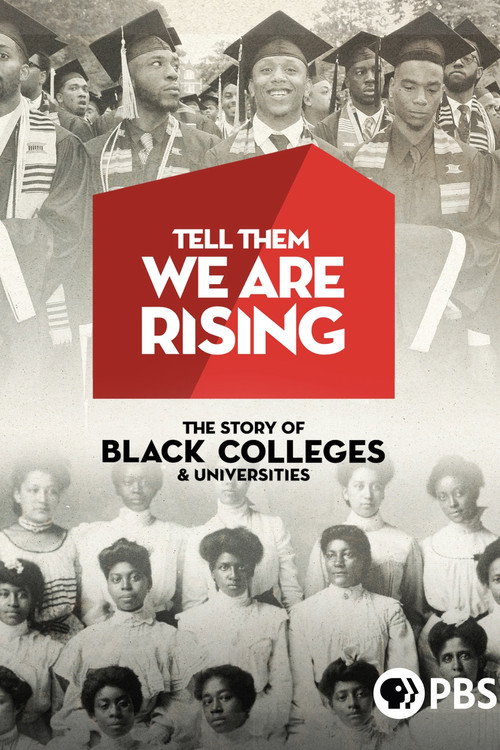
Tell Them We Are Rising: The Story of Black Colleges and Universities
2017
No user ratings available yet
Diversity score: 6.9 out of 10
2024
Director
Mati Diop
Runtime
68 minutes
Average Rating
No ratings yetSynopsis
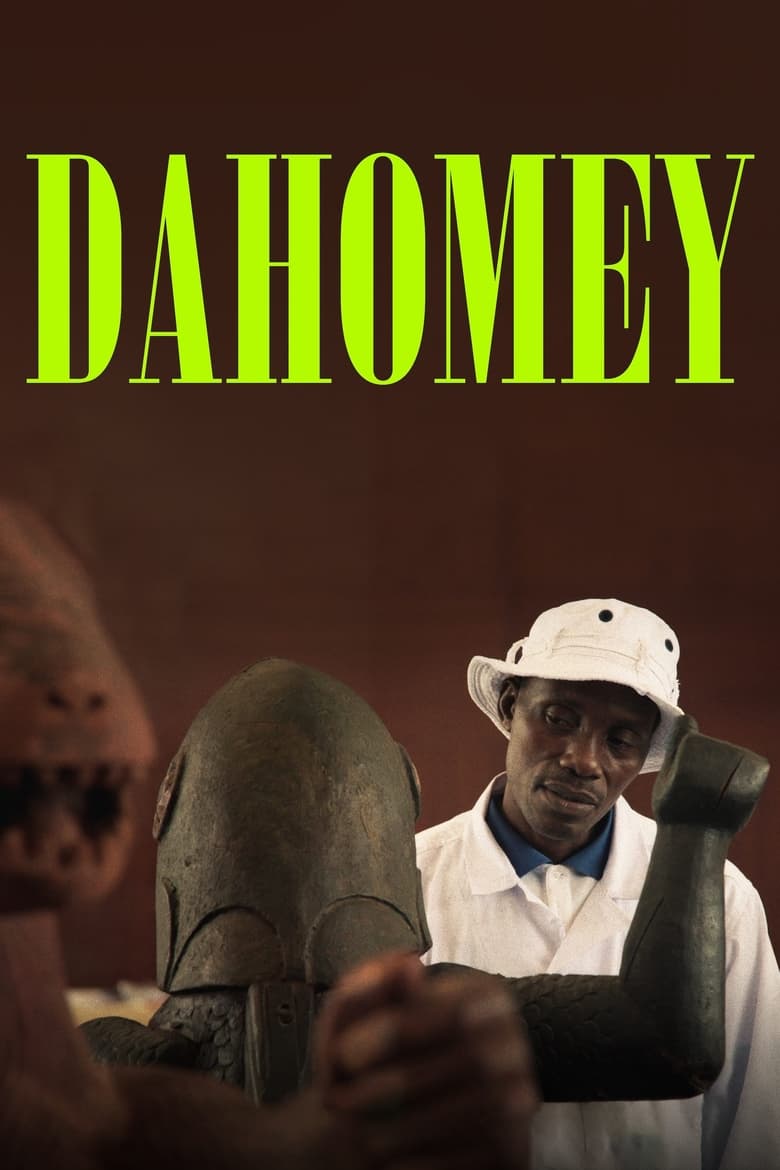
Thousands of royal artifacts of Dahomey, a West African kingdom, were taken by French colonists in the 19th century for collection and display in Paris. Centuries later, a fraction returned to their home in modern-day Benin. This dramatized documentary follows the journey of 26 of the treasures as told by cultural art historians, embattled university students, and one of the repatriated statues himself.
Overall Score
Good
Category Breakdown
LGBTQ+ Representation
The film maintains a neutral stance regarding queer identities. It does not explicitly center LGBTQ+ narratives or provide specific evidence of queer subtext within its communal focus.
Gender Representation
Women are elevated to roles of intellectual and institutional authority. By highlighting female curators and historians, the film disrupts traditional hierarchies and positions women as primary stewards of cultural memory.
Racial & Ethnic Diversity
The film excels by centering West African identity and Beninese perspectives. It prioritizes the lived experiences of the Global South, challenging colonial objectification through a lens of post-colonial agency.
Religious & Cultural Diversity
This work serves as a profound post-colonial critique. It prioritizes indigenous spiritualities and ancestral connections over Western frameworks, framing the restitution of artifacts as a reclamation of sovereignty.
Disability Representation
There is no significant evidence regarding the portrayal of physical or neurodivergent disabilities. The documentary focuses primarily on institutional repatriation and historical artifacts.
Strengths
Areas for Improvement
AI Analysis
Mati Diop’s *Dahomey* is a sophisticated deconstruction of colonial extraction. By utilizing a dramatized documentary format, the film shifts the focus from Western institutional ownership to the agency of the Beninese people and their repatriated treasures. The film’s greatest strength is its ability to dismantle the 'Western gaze.' It replaces Eurocentric museum paradigms with a narrative of African intellectual leadership and cultural reclamation, treating artifacts as sentient participants in history. While the film lacks specific focus on individual identity politics like LGBTQ+ or disability representation, it achieves deep intersectional impact through its rigorous post-colonial lens and commitment to non-Western perspectives.
2017

2020

2021

2019

2021

2019

2020

2026

2014

2024

2016
2018
No reviews yet. Be the first to share your thoughts on this movie!
Use the rating form above to leave a star rating and optional review.