Billy the Kid
1941
No user ratings available yet
Representation score: 0.6 out of 10
Representation Score
Minimal
1944
ApprovedDirector
George Archainbaud
Runtime
68 minutes
Average Rating
No ratings yetNew Showbiz Analysis
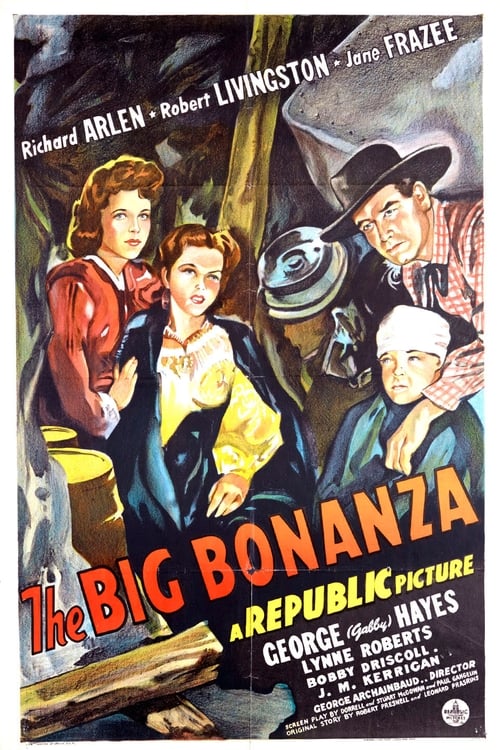
The Big Bonanza is a typical 1940s Western that follows the traditional narrative structures and moral frameworks of the era. The plot centers on masculine archetypes and themes of military honor, cowardice, and frontier justice. The storytelling reinforces established social hierarchies and conventional Western clichés, offering a narrow perspective on identity and social structure.
Category Breakdown
The film does not include any characters or stories related to LGBTQ+ individuals.
The story revolves around male-centric themes such as brotherhood and military honor, with key roles played by male characters like Jed Kilton and Sam Ballou.
The film seems to follow the typical Western clichés of the mid-20th century, likely featuring Anglo-Saxon protagonists.
The themes of military justice and frontier law emphasize traditional ideas of duty and social order, focusing on personal honor rather than critiquing systemic issues.
There is no indication of characters with visible or invisible disabilities in the film.
Present on Screen
Limited or Absent
Official Synopsis
Having been falsely court marshaled for cowardice and sentenced to prison by the Army, Jed Kilton escapes and heads to Nevada Springs to see his kid brother. There he meets his old school friend Sam Ballou. But the two old friends soon find themselves on opposite sides and Sam has Jed arrested. Then when Jed's young brother sees one of Sam's men kill another man, the boy becomes Sam's intended victim.
1941

1942
1924
1926
1948
1943
1940
1931
No reviews yet. Be the first to share your thoughts on this movie!
Use the rating form above to leave a star rating and optional review.