De platte jungle
1978
No user ratings available yet
Representation score: 5.1 out of 10
Representation Score
Minimal
2018
Director
Ruben Smit
Runtime
93 minutes
Average Rating
No ratings yetNew Showbiz Analysis
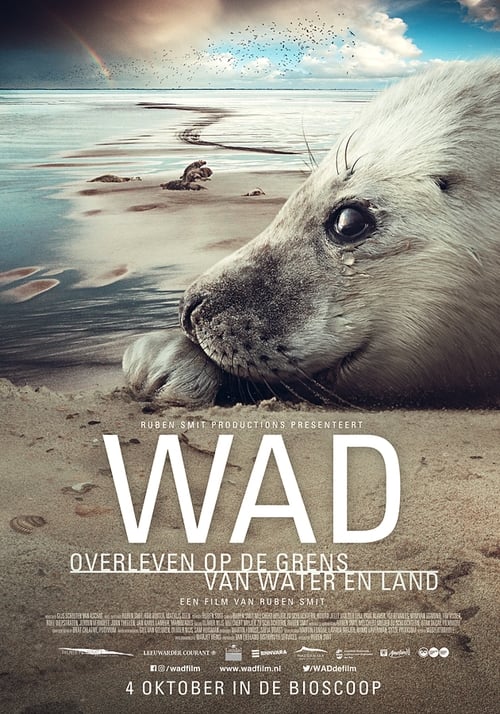
Wad is a naturalist documentary that focuses on the Wadden Sea ecosystem. Since the subject matter is environmental rather than social, the film does not have the framework to explore diverse identities. The absence of human characters means there is no opportunity to delve into gender, race, or LGBTQ+ issues. Instead, the film serves as a detailed study of the natural environment, emphasizing its visual and educational qualities. While it does not actively promote social hierarchies, it also does not engage with them.
Category Breakdown
The film focuses entirely on the natural world and ecological processes. There are no human character arcs or interpersonal relationships to depict non-straight-centered identities.
The narrative centers on landscapes and biological ecosystems. It does not engage with human social structures or traditional gender hierarchies.
The focus remains on flora, fauna, and geological shifts. There is no human cast or social interaction to allow for racial or ethnic representation.
The film operates within a secular, naturalist framework. It prioritizes environmental value over human-centric religious or traditional institutional structures.
The scope is strictly ecological. There is no evidence of human subjects being portrayed with physical or neurodivergent ability to act.
Present on Screen
Limited or Absent
Official Synopsis
The Wadden area as you have never seen before.
1978
2013
2015
2021
2012
2023
2011
2013
No reviews yet. Be the first to share your thoughts on this movie!
Use the rating form above to leave a star rating and optional review.