Panoramic View of Tremont Hotel, Galveston
1900
No user ratings available yet
Representation score: 0.0 out of 10
Representation Score
Minimal
1900
Director
Albert E. Smith
Runtime
1 minutes
Average Rating
No ratings yetNew Showbiz Analysis
This documentary functions as a purely observational record of maritime destruction. It documents the structural collapse of docks and the collision of schooners, focusing entirely on material wreckage. Because the film lacks a scripted narrative, character arcs, or dialogue, it does not engage with human identity or social structures. As a technical documentation of reality from the early era of cinema, the work lacks the narrative complexity required for multi-layered analysis or the subversion of social hierarchies.
Category Breakdown
The film is a non-narrative documentary focusing on inanimate objects and maritime wreckage. It contains no depictions of gender identity, sexual orientation, or interpersonal relationships.
The footage centers on maritime wreckage, including schooners and freight cars. There are no human subjects to evaluate regarding gender roles or ability to act.
The visual field is dominated by industrial debris and maritime vessels. With no human cast, there is no analysis of racial or ethnic diversity possible.
The film lacks a moral framework, religious commentary, or social critique. It serves as a straightforward depiction of physical wreckage.
There are no human subjects present to demonstrate neurodivergence or physical disabilities.
Present on Screen
Limited or Absent
Official Synopsis
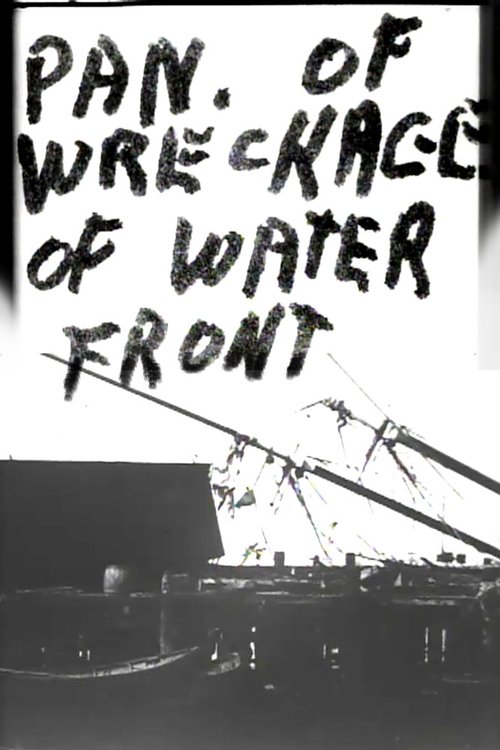
This picture shows the remains of one of the docks, several freight cars being piled one upon the other, while the most interesting part of the picture shows two schooners literally smashed one into the other, forming a most picturesque mass of wreckage.
1900
1900
1898
1900
1906
1900
1900
1896
No reviews yet. Be the first to share your thoughts on this movie!
Use the rating form above to leave a star rating and optional review.