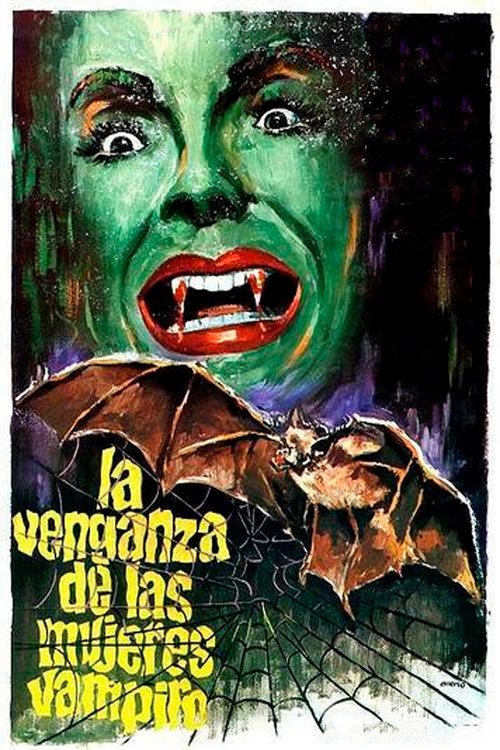
The Vengeance of the Vampire Women
1970
No user ratings available yet
Representation score: 5.2 out of 10
Representation Score
Fair
1980
Director
Claudia Becker, Alfredo B. Crevenna
Runtime
85 minutes
Average Rating
No ratings yetNew Showbiz Analysis
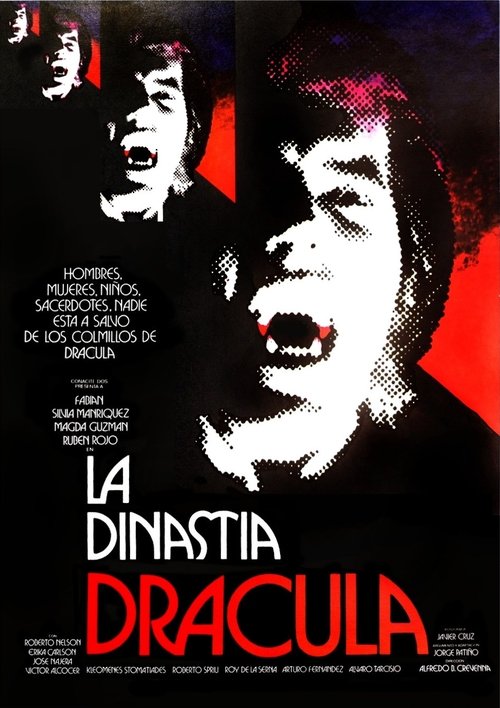
The Dracula Dynasty centers around a strong female character who drives the supernatural plot, challenging typical gender roles in early horror films. The film also shifts its setting from Europe to 19th-century Mexico, offering a non-Anglo-Saxon cultural backdrop. However, it stays within traditional genre conventions, lacking explicit LGBTQ+ representation and detailed information about the diversity of the supporting cast.
Category Breakdown
The film sticks closely to traditional Gothic horror themes without showing any clear LGBTQ+ identities. Although the vampire genre often explores non-traditional relationships, this story focuses on the resurrection of Count Orloff.
Madame Kostoff stands out as a strong female character who defies the passive female victim stereotype. She plays a key role in driving the plot and holds significant influence over the supernatural events.
The story transitions from a 16th-century European setting to 19th-century Mexico. This shift brings a non-Anglo-Saxon cultural perspective to the vampire mythos, blending different cultural aesthetics.
The narrative examines the conflict between the Inquisition and supernatural forces. While it questions institutional authority, it generally follows the conventional Gothic horror format.
There is no indication of the portrayal of physical or neurodivergent disabilities in the film.
Present on Screen
Limited or Absent
Official Synopsis
In the 16th century, the Inquisition condemns Count Orloff, a vampire and sorcerer to death. In the 19th century, the vampire Madame Kostoff arrives in Mexico and buys the house where the vampire was buried and revives him.
1970
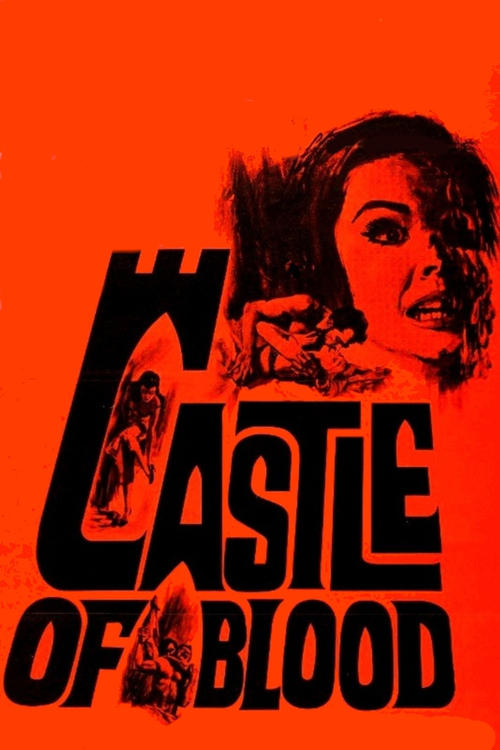
1964
2005
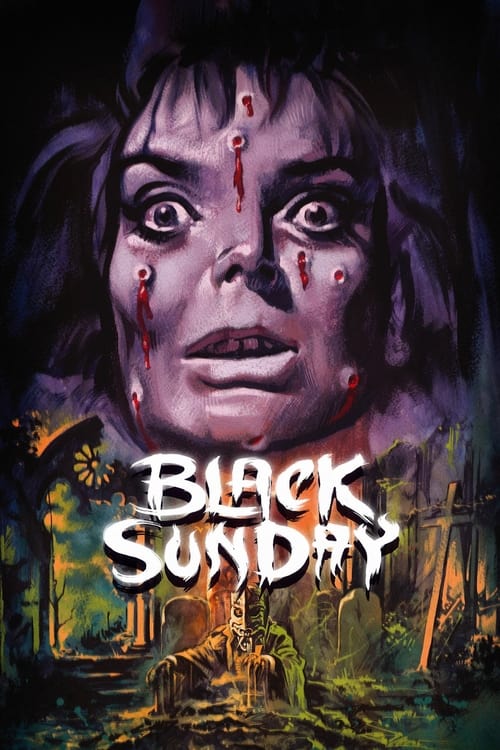
1960

1975

1972
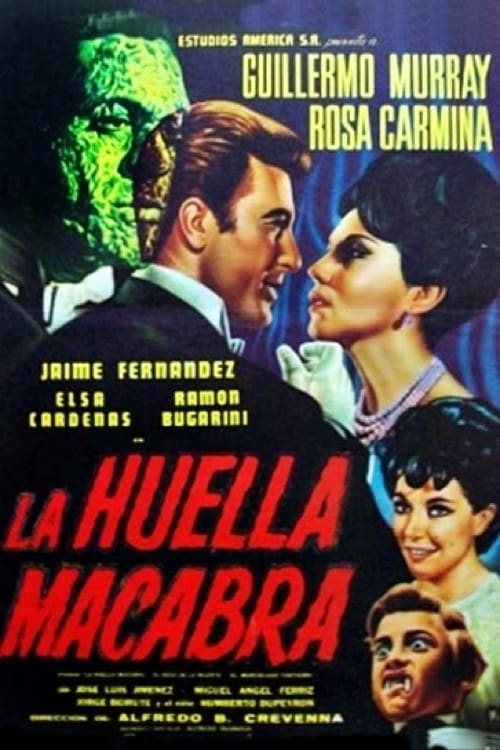
1963
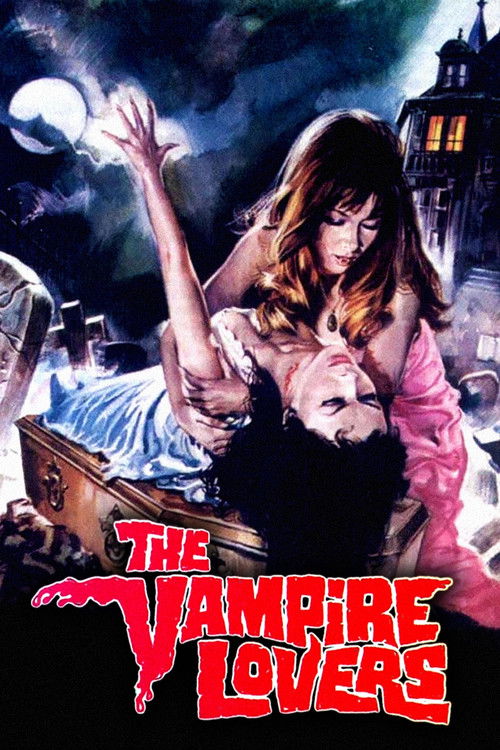
1970
No reviews yet. Be the first to share your thoughts on this movie!
Use the rating form above to leave a star rating and optional review.