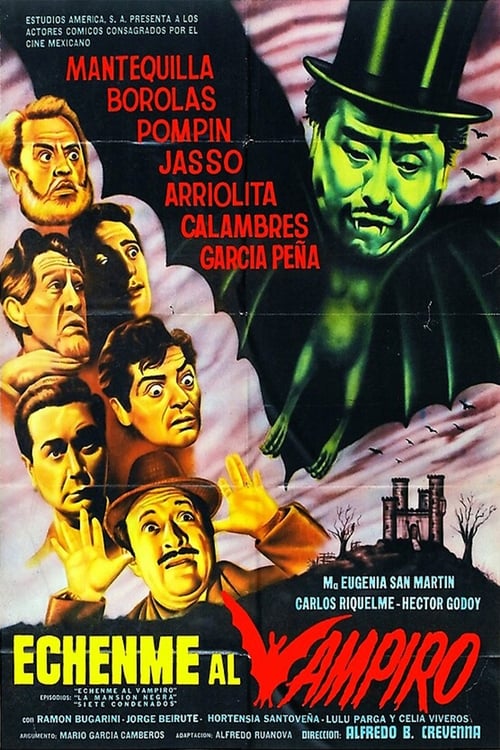
Bring Me the Vampire
1963
No user ratings available yet
Diversity score: 3.2 out of 10

1963
Director
Alfredo B. Crevenna, Alberto Mariscal
Runtime
87 minutes
Average Rating
No ratings yetSynopsis
(Sequel to El Rostro Infernal.) Count Brankovan, a vampire, returns from the dead to avenge himself himself on some humans who previously had been bugging him.
Overall Score
Limited
Category Breakdown
LGBTQ+ Representation
The film operates within the heteronormative constraints typical of 1960s Mexican horror. There is no evidence of queer narratives or non-cisnormative identities.
Gender Representation
Female characters appear to function as victims or secondary figures to the central male conflict. The narrative follows traditional hierarchies without subverting gender roles.
Racial & Ethnic Diversity
As a Mexican production, the film offers a non-Anglo-Saxon cast. However, it remains unclear if the characters possess agency beyond standard 1960s casting archetypes.
Religious & Cultural Diversity
The story relies on Gothic tropes of undead aristocrats and singular authority. It focuses on individual vengeance rather than systemic or secularist critiques.
Disability Representation
There is no verifiable information regarding the inclusion of characters with physical or neurodivergent disabilities.
Strengths
Areas for Improvement
AI Analysis
The Macabre Footprint is a traditional genre piece that adheres to the established storytelling structures of early 1960s Mexican horror. While its production offers a non-Western perspective compared to Hollywood, the narrative itself does not seek to disrupt social or identity-based norms. The film centers on the vengeance of Count Brankovan, a vampire, which reinforces classic Gothic hierarchies. This focus on individualistic, supernatural conflict leaves little room for diverse social commentary or intersectional representation. Ultimately, the film serves as a period-typical horror experience, prioritizing genre tropes over the subversion of gender, racial, or sexual identities.
1963
1966
1961

1987
2012
1958
1962

1972
1994
1961
1989

1973
No reviews yet. Be the first to share your thoughts on this movie!
Use the rating form above to leave a star rating and optional review.