ReGeneration
2018
No user ratings available yet
Representation score: 6.2 out of 10
Representation Score
Limited
2018
Director
Francesca Mannocchi, Alessio Romenzi
Average Rating
No ratings yetNew Showbiz Analysis
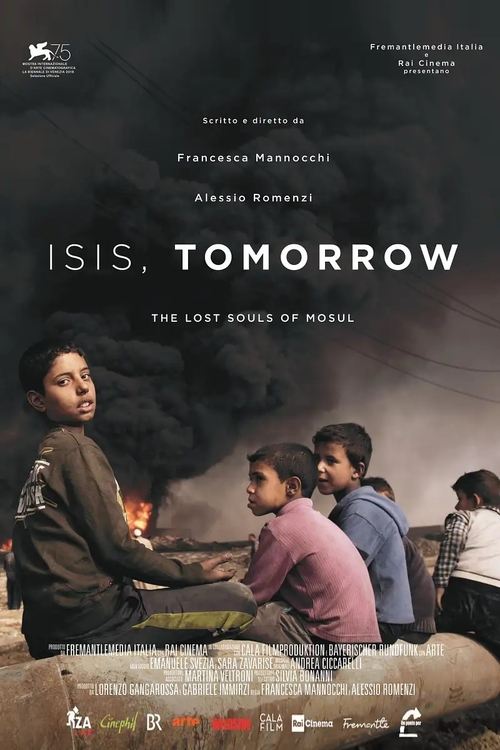
Isis, Tomorrow - The Lost Souls of Mosul (2018) earns its highest marks for racial and ethnic representation by centering an entirely Iraqi cast of real people. The film lets non-white subjects drive the narrative, offering intimate perspectives on war and displacement without tokenism or Western savior framing. Gender representation is limited. While girls orphaned by ISIS are central to the story, women appear mainly as caregivers and community members. The narrative does not foreground female leadership or challenge traditional gender roles, keeping women’s agency largely in the background. The documentary’s cultural and religious portrayal is thoughtful but cautious. It frames religious extremism as destructive while avoiding blanket condemnation of faith, instead emphasizing reconciliation over vengeance. However, the absence of LGBTQ+ and disability representation, along with a narrow view of women’s roles, keeps the overall diversity score modest.
Category Breakdown
No LGBTQ+ characters or same-sex relationships appear. The documentary focuses on children and families affected by ISIS in Mosul, with no queer identities or romance depicted on screen.
The film centers on children, including girls orphaned by ISIS, whose survival is the primary focus. Women appear as caregivers and community members, but the narrative does not highlight female leadership or challenge traditional gender roles.
The documentary features an entirely Iraqi cast of real people, including children, parents, and community members from Mosul. Non-white subjects drive the entire narrative, offering deep, personal perspectives on war and displacement without tokenism.
The film questions whether Iraq will choose reconciliation or vengeance for ISIS orphans, framing systemic hatred as a danger to the future. It portrays religious extremism as destructive but avoids condemning all faith, emphasizing societal healing over punishment.
No characters with physical or mental disabilities are shown or discussed. The documentary’s focus remains on the psychological and social impact of war on children, without depicting disability as part of the lived experience.
Present on Screen
Limited or Absent
Official Synopsis
The film explores the fate of ISIS orphans in post-war Mosul, Iraq, questioning whether the country will accept them for reconciliation or seek vengeance. These children, trained to fight, may still have hope for a better future if Iraq avoids perpetuating hatred.
2018
2019
2010
2019

2017
2023
2017
2016
No reviews yet. Be the first to share your thoughts on this movie!
Use the rating form above to leave a star rating and optional review.