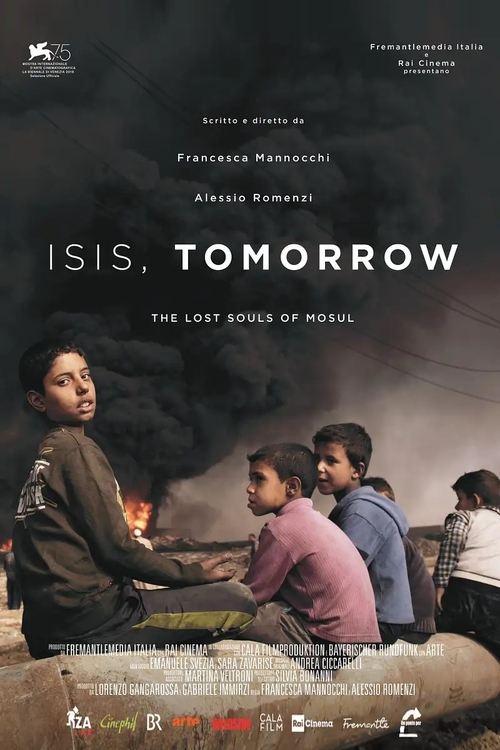
Isis, Tomorrow - The Lost Souls of Mosul
2018
No user ratings available yet
Representation score: 3.0 out of 10
Representation Score
Minimal
2017
Not RatedDirector
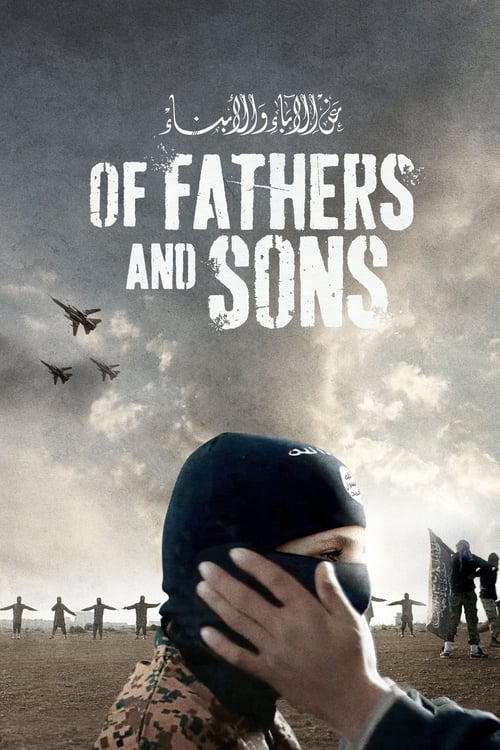
Talal Derki
Runtime
99 minutes
Average Rating
No ratings yetNew Showbiz Analysis
Talal Derki’s documentary is a profound study of rigid systems and the suppression of individual power. It succeeds as a piece of cinematic witness by highlighting authentic Middle Eastern ethnic identities and avoiding Western-centric perspectives. The film provides a rare, unmediated look at the lived experiences of a local population during the Syrian Civil War. However, the film’s subject matter is defined by the active elimination of diversity. The social structures depicted are built upon strict hierarchies that leave no room for multiple aspects of identity. The narrative highlights a landscape where gender, identity, and individual morality are overshadowed by an oppressive religious authority. Ultimately, the work functions as a documentation of how traditional institutions can be used to dismantle autonomy. While it excels in ethnic authenticity, it depicts a society that fundamentally rejects progressive values and pluralism.
Category Breakdown
The film focuses on a socio-political environment governed by strict religious laws. There is no representation of LGBTQ+ identities, as the narrative emphasizes a traditional, straight-centered social order.
The documentary portrays a highly stratified patriarchal structure. Women are shown within domestic settings characterized by subjugation, while men hold all positions of combat, leadership, and authority.
The film features an exclusively non-white, Middle Eastern cast. It offers an unfiltered look at the ethnic realities of the Syrian population, avoiding Western-centric casting clichés.
The narrative centers on a singular, rigid religious morality that opposes secularism. It documents a total rejection of Western political, social, and capitalist norms.
The film does not focus on characters with visible or invisible disabilities. The main focus remains on the impacts of war and religious indoctrination.
Present on Screen
Limited or Absent
Official Synopsis
Talal Derki returns to his homeland where he gains the trust of a radical Islamist family, sharing their daily life for over two years. His camera focuses on Osama and his younger brother Ayman, providing an extremely rare insight into what it means to grow up in an Islamic Caliphate.
2018
2019

2017
2019
2016
2011
2005
2023
No reviews yet. Be the first to share your thoughts on this movie!
Use the rating form above to leave a star rating and optional review.