The Sellout
1952
No user ratings available yet
Representation score: 1.2 out of 10
Representation Score
Limited
2007
Director
Allen Blumberg
Runtime
80 minutes
Average Rating
No ratings yetNew Showbiz Analysis
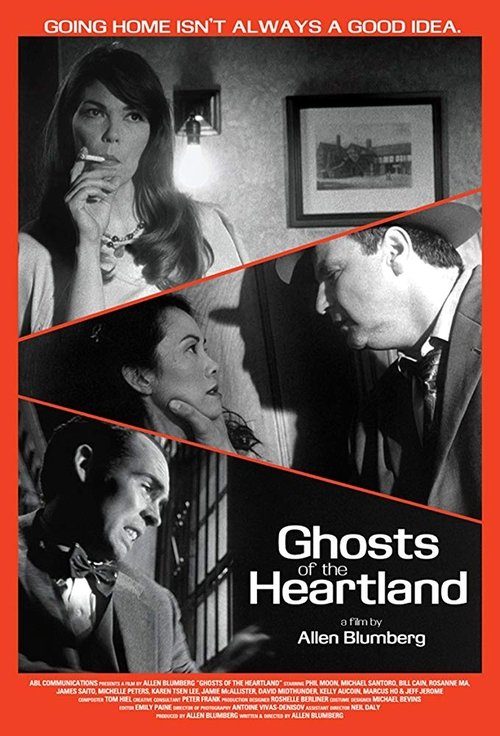
Ghosts of the Heartland functions primarily as a mid-century investigative thriller. Its most significant progressive element is the characterization of Roland Lu, whose professional ambition as a journalist in 1952 challenges the historical status quo of American media. However, the film relies heavily on traditional genre clichés. The narrative is driven by a male-centric power struggle, leaving little room for gender subversion or diverse perspectives. While the protagonist provides a disruption to period-piece expectations, the absence of LGBTQ+ representation and disability visibility results in a relatively conventional storytelling framework.
Category Breakdown
The film does not include any representation of LGBTQ+ identities or same-sex relationships. The story focuses solely on a traditional journalistic conflict.
The story centers around a male-driven conflict between Roland Lu and Frank Dugan. There is a notable lack of women's ability to drive the story and subversion of traditional gender roles.
The protagonist, Roland Lu, suggests a non-Anglo-Saxon identity. Placing a person of color in a actively leading role during 1952 disrupts the era's typical demographic homogeneity.
The plot explores tensions between individual truth-seeking and localized power structures. It follows a traditional noir-adjacent structure rather than explicit institutional critiques.
There is no mention of characters navigating physical, neurodivergent, or mental health conditions. The narrative context remains silent on disability representation.
Present on Screen
Limited or Absent
Official Synopsis
It's 1952 and big city reporter Roland Lu is returning to his hometown. What he finds is a town living in fear under the rule of his nemesis, Frank Dugan. Knowing his life is in peril, Roland stays, hoping to score the next big story that can win him the Pultizer.
1952
1962

1952

2012

2012
2006

2021
1950
No reviews yet. Be the first to share your thoughts on this movie!
Use the rating form above to leave a star rating and optional review.