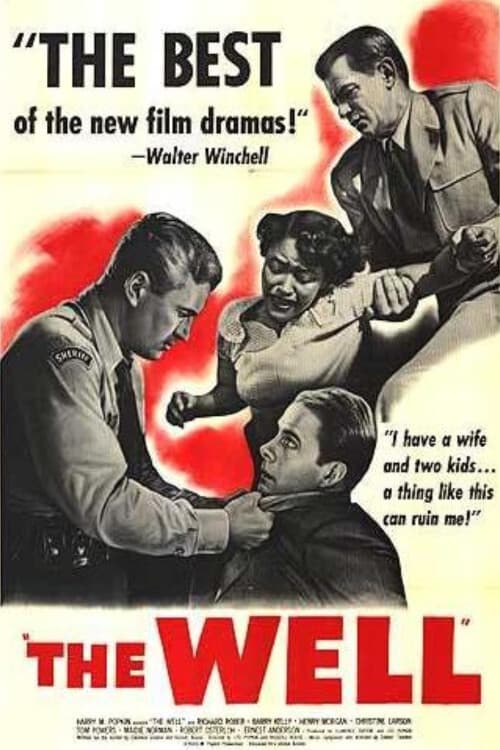
The Well
1951
No user ratings available yet
Representation score: 2.8 out of 10
Representation Score
Limited
2006
PG-13Director
Tim Boxell
Runtime
100 minutes
Average Rating
No ratings yetNew Showbiz Analysis
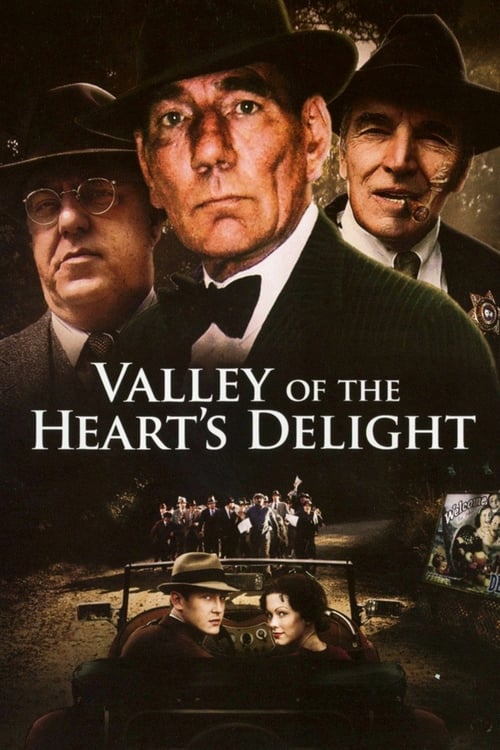
Valley of the Heart's Delight uses a 1933 California setting to explore the tension between institutional authority and individual justice. The narrative centers on a journalist trying to stop a lynching, a theme that inherently deals with historical social hierarchies and systemic violence. While the film shows promise in its critique of mob morality and racialized suspicion, it lacks specific details about LGBTQ+ or disability representation. The strength of the work lies in its structural engagement with the deconstruction of historical power dynamics rather than explicit character diversity.
Category Breakdown
The film does not explicitly address queer identities or non-straight narratives. There is no indication of hidden messages or critiques related to the assumption that everyone is straight or cisgender.
A determined young reporter serves as the main character. This role provides significant influence in a 1930s context, although the gender roles of the supporting cast are not clearly defined.
The storyline focuses on preventing a lynching, engaging directly with historical racial inequalities. This narrative aims to challenge systemic injustices and racialized power structures.
The story critiques local institutions by placing a protagonist against a volatile community order. This setup explores the tension between personal ethics and established community traditions.
There is no information about the inclusion of characters with physical, sensory, or neurodivergent disabilities in this production.
Present on Screen
Limited or Absent
Official Synopsis
When a fatal kidnapping ignites a firestorm of suspicion and rage in idyllic 1933 San Jose, California, a hard-nosed young reporter takes on the powers-that-be to prevent the lynching of two men he believes are innocent.
1951
1997

2012
1971
2002
1950
1937
1948
No reviews yet. Be the first to share your thoughts on this movie!
Use the rating form above to leave a star rating and optional review.