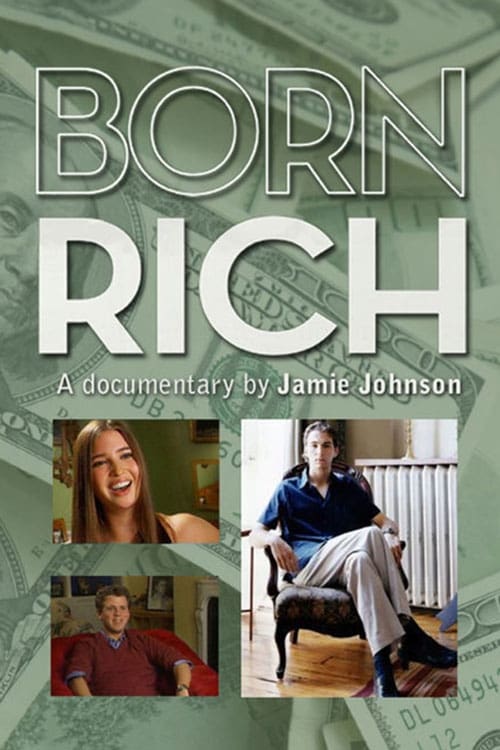
Born Rich
2003
No user ratings available yet
Representation score: 3.8 out of 10
Representation Score
Limited
2005
GDirector
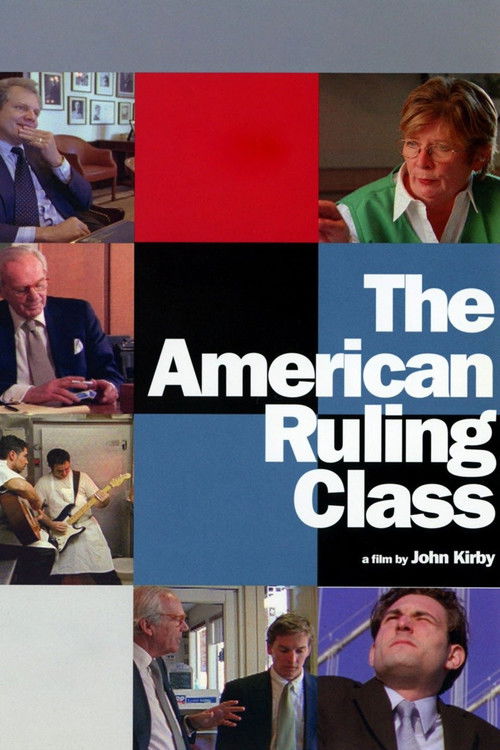
John Kirby
Runtime
85 minutes
Average Rating
No ratings yetNew Showbiz Analysis
The film operates as a specialized socio-political study rather than an identity-driven narrative. It prioritizes a journalistic investigation into class-based power dynamics over the lived experiences of underrepresented groups. While the documentary successfully deconstructs the mechanics of American democracy and the influence of entrenched wealth, it lacks diversity in its portrayal of different identities. The narrative structure focuses on existing power structures rather than incorporating a wider range of voices. Ultimately, the work serves as a critique of institutionalized privilege through a lens focused on socio-economic status, resulting in limited representation across various identity categories.
Category Breakdown
The film does not include any LGBTQ+ characters or stories about non-cisgender identities. Its focus is on class and institutional power structures.
The documentary examines political and economic spheres that traditionally favor masculine leadership. It does not challenge traditional gender hierarchies or show diverse gender roles.
The focus on Ivy League graduates and prominent political figures suggests a demographic centered on traditional Anglo-American power structures. This reflects the historically homogeneous nature of the elite being studied.
The narrative offers a strong critique of systemic privilege and the myth of American meritocracy. It effectively challenges how moneyed class influences democratic ideals and institutional frameworks.
There is no information about the inclusion or depiction of individuals with visible or invisible disabilities within the film.
Present on Screen
Limited or Absent
Official Synopsis
This inventive, mildly fictionalized documentary follows noted editor Lewis Lapham as he introduces two Ivy League graduates to America's elite in an effort to examine the role of class and moneyed privilege in American democracy. With stops at the Pentagon, posh Manhattan parties and more, Lapham encounters luminaries -- including James Baker III and Walter Cronkite -- who each share their perspectives on America's ruling class.
2003

2018
2012

2016

2006
2015

2013

2020
No reviews yet. Be the first to share your thoughts on this movie!
Use the rating form above to leave a star rating and optional review.