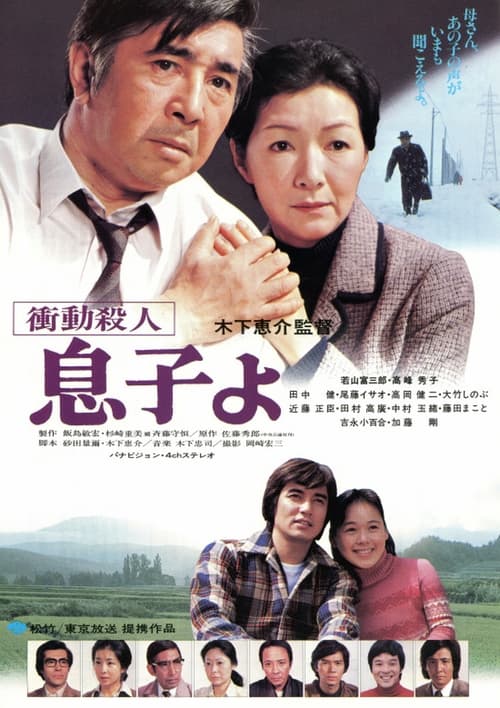
Oh, My Son!
1979
No user ratings available yet
Representation score: 5.3 out of 10
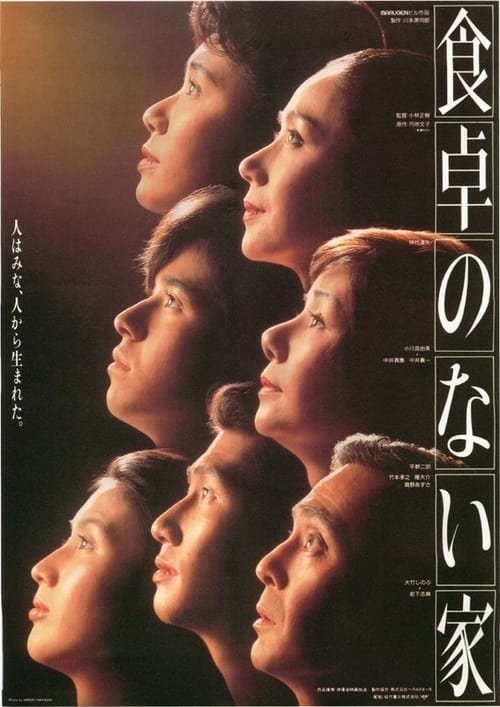
Representation Score
Limited
1985
Director
Masaki Kobayashi
Runtime
143 minutes
Average Rating
No ratings yetNew Showbiz Analysis
The film presents a quiet domestic drama centered on a Japanese family dealing with their son’s involvement in a deadly kidnapping. The central tension is philosophical: Nobuyuki Kidoji refuses to accept collective guilt for his son’s political violence. This stance isolates him from other families who resigned or died. The on-screen world is entirely Japanese and heterosexual. Women handle the emotional and logistical burden of the household, while the father engages in the intellectual debate about culpability. The narrative remains focused on the specific cultural context of 1980s Japan. There is no discussion of race, disability, or alternative family structures. The film treats the family unit as the primary site of conflict, where personal responsibility clashes with social expectation. The cast reflects the specific domestic setting without broader diversity.
Category Breakdown
No same-sex relationships or identities appear. The narrative focuses strictly on heterosexual family dynamics and parental grief. The on-screen world remains entirely heterosexual.
Women manage the household and emotional fallout, while men debate political responsibility. Nobuyuki Kidoji drives the central conflict through his refusal to accept blame for his son's actions.
The cast is entirely Japanese. The story is set within a single domestic sphere, excluding broader ethnic or international perspectives from the frame.
The film questions the link between parental duty and political action. Nobuyuki’s insistence that he is not responsible for his son’s terrorism challenges traditional collective family honor.
No characters have visible or mentioned disabilities. The story centers on psychological and social consequences of political violence rather than physical impairment.
Present on Screen
Limited or Absent
Official Synopsis
One year after the Kidojis' eldest son Otohiko was arrested for his part in a terrorist kidnapping, which resulted in multiple deaths, all the other perpetrators' parents have either resigned from their professional positions or taken their own lives, Nobuyuki Kidoji remains adamant that he is not responsible for his son's actions.
1979
1955
1966
1997
1978
1974
1968

2018
No reviews yet. Be the first to share your thoughts on this movie!
Use the rating form above to leave a star rating and optional review.