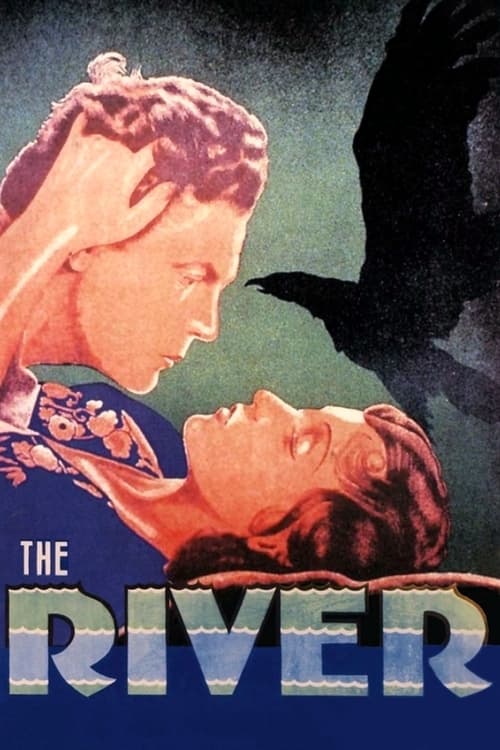
The River
1929
No user ratings available yet
Representation score: 3.3 out of 10

Representation Score
Limited
1932
PassedDirector
Gregory La Cava
Runtime
63 minutes
Average Rating
No ratings yetNew Showbiz Analysis
The Age of Consent bridges the gap between Victorian moralism and the more liberal Pre-Code era. Its strength lies in challenging traditional gender roles and embracing situational ethics rather than delivering a single moral lesson. However, the film is constrained by its lack of diverse representation. It remains a product of a specific social hierarchy, offering minimal reflection on race, disability, or LGBTQ+ identities. Ultimately, the film's value is in its exploration of individual ability to act against societal institutions, despite being confined to a narrow, homogeneous social perspective.
Category Breakdown
The film focuses solely on heterosexual relationships and conflicts. It does not include any representation of non-binary gender identities or same-sex relationships.
The narrative highlights the female lead's independence and sexual autonomy. It challenges traditional views of female passivity by showcasing a character driven by her own desires.
The cast is uniform, reflecting a particular Anglo-Saxon cultural norm. There is no racial or ethnic diversity in the story.
The film uses Pre-Code era moral ambiguity to examine the breakdown of traditional family structures. It questions strict institutional morality by depicting the complexities of forbidden relationships.
There are no visible or invisible disabilities shown. Characters are portrayed within the typical physical and neurotypical standards of the early 1930s.
Present on Screen
Limited or Absent
Official Synopsis
College co-eds struggle with the moral, societal and human aspects of romance.
1929
1931

1931
1927

1930

1930

1931

1933
No reviews yet. Be the first to share your thoughts on this movie!
Use the rating form above to leave a star rating and optional review.