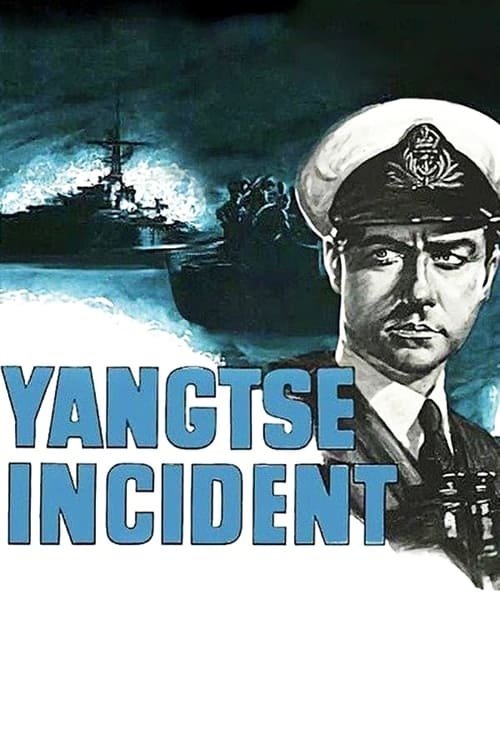
Yangtse Incident: The Story of H.M.S. Amethyst
1957
No user ratings available yet
Diversity score: 1.3 out of 10
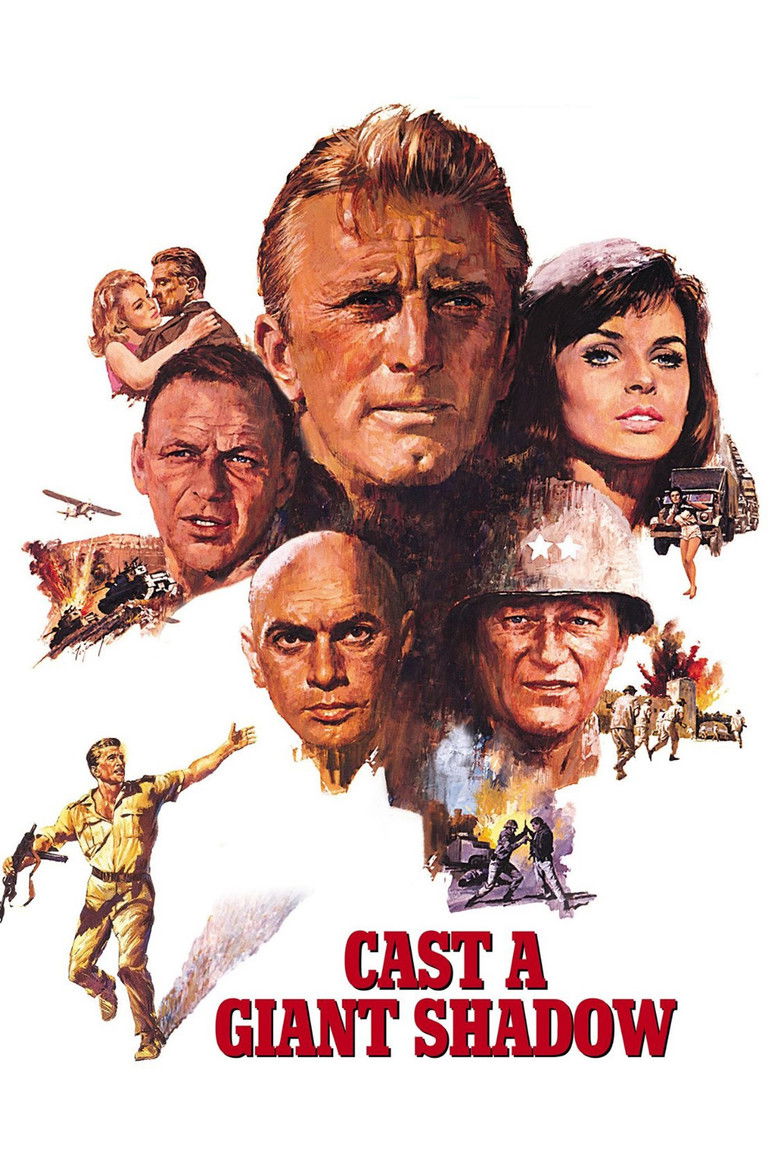
1966
Director
Melville Shavelson
Runtime
146 minutes
Average Rating
No ratings yetSynopsis
An American Army officer is recruited by the yet to exist Israel to help them form an army. He is disturbed by this sudden appeal to his Jewish heritage. Each of Israel's Arab neighbors has vowed to invade the poorly prepared country as soon as partition is granted. He is made commander of the Israeli forces just before the war begins.
Overall Score
Minimal
Category Breakdown
LGBTQ+ Representation
The film operates within a strictly heteronormative framework. There is no presence of non-cisnormative identities or any critique of traditional sexual orientations.
Gender Representation
Authority and strategic agency are reserved exclusively for men within a male-dominated military structure. Female characters serve primarily as domestic anchors or administrative support.
Racial & Ethnic Diversity
The cast reflects the white, Anglo-Saxon demographics of the 1940s Western military elite. While the plot involves Jewish and Arab identities, the execution remains homogeneous.
Religious & Cultural Diversity
The narrative reinforces Western institutional stability and patriotism. It lacks engagement with secularist or anti-Western themes, focusing instead on traditional power dynamics.
Disability Representation
There is no representation of physical, sensory, or neurodivergent identities. Characters are defined solely by idealized military capability.
Strengths
Areas for Improvement
AI Analysis
Cast a Giant Shadow is a conventional historical drama that prioritizes the preservation of mid-20th-century social and military hierarchies. The film focuses on classical leadership and institutional loyalty, offering a perspective rooted in Western military traditions. The narrative lacks intersectional depth, as it does not engage with LGBTQ+ identities, disability, or diverse gender roles. While the subject matter touches on ethnic and religious tensions, the cinematic execution remains tethered to a homogeneous, Anglo-Saxon viewpoint. Ultimately, the film functions as a study of traditional authority rather than a tool for social deconstruction or progressive representation.
1957
1953
1968
1964
1962
1950
1955
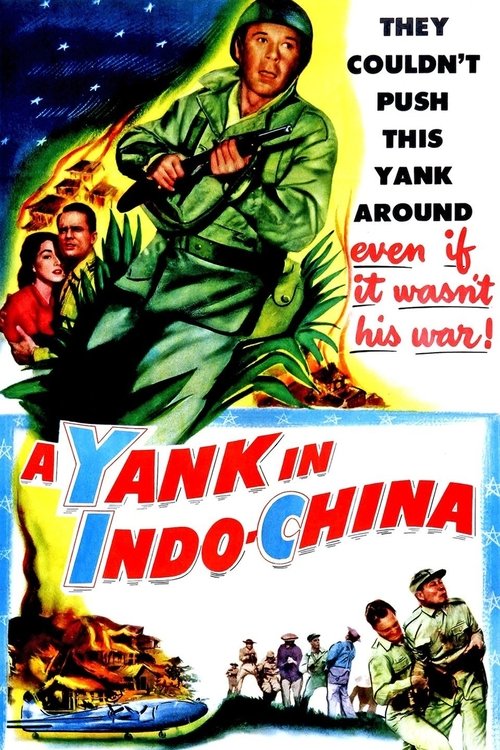
1952
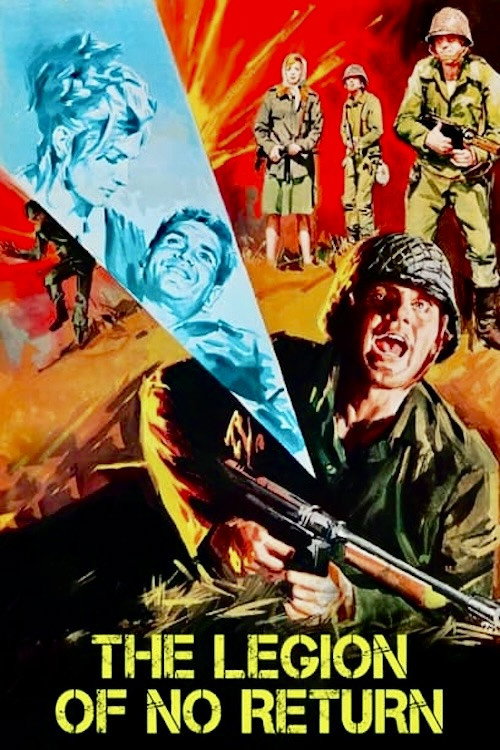
1969

1954
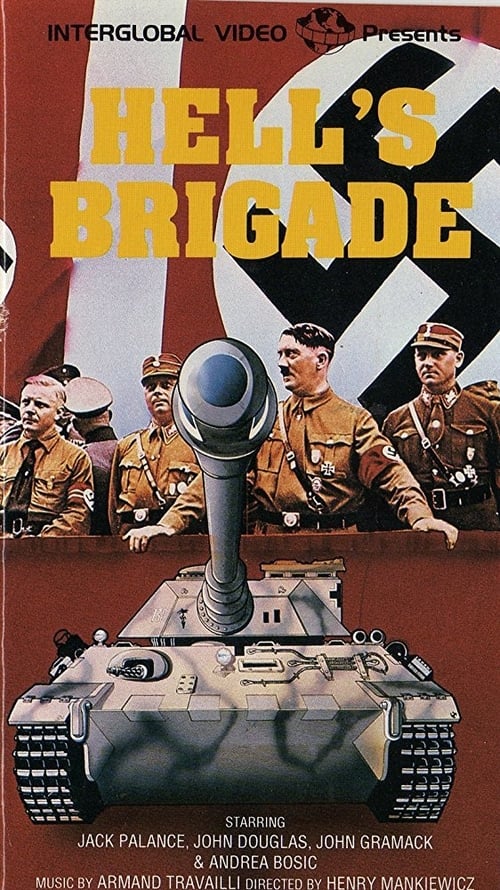
1969
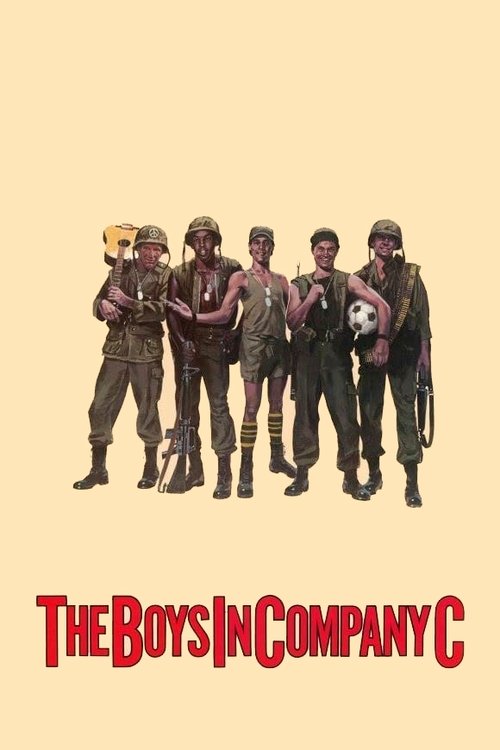
1978
No reviews yet. Be the first to share your thoughts on this movie!
Use the rating form above to leave a star rating and optional review.