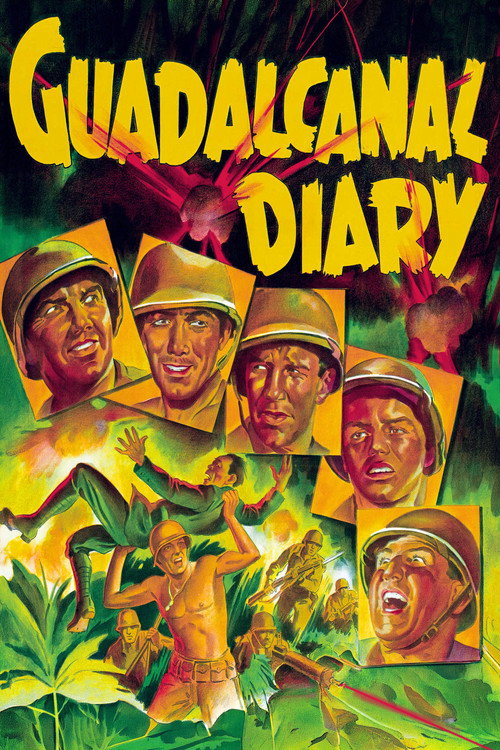
Guadalcanal Diary
1943
No user ratings available yet
Diversity score: 1.0 out of 10
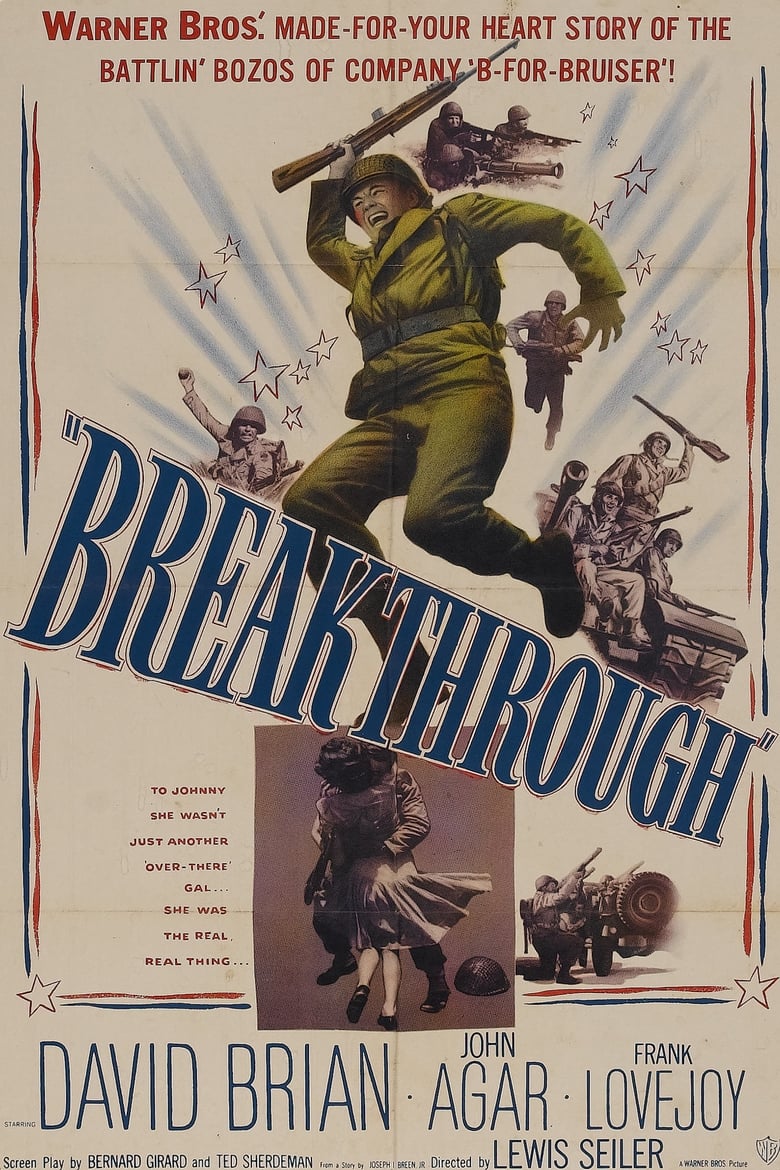
1950
ApprovedDirector
Lewis Seiler
Runtime
91 minutes
Average Rating
No ratings yetSynopsis
Filmed with the full cooperation of the U.S. Army, Breakthrough is a lean, no-nonsense war film set during the 1944 invasion of the continent.
Overall Score
Minimal
Category Breakdown
LGBTQ+ Representation
The film lacks any discernible presence of non-cisnormative or non-heteronormative identities. The narrative remains strictly within 1950s heteronormative social structures.
Gender Representation
The story is heavily male-centric, focusing on adolescent male dynamics and authority figures. There is a notable absence of female agency within the patriarchal social order.
Racial & Ethnic Diversity
The film presents a homogeneous social environment. It reflects the era's tendency to depict white, Western social structures as the default norm without diverse ethnic perspectives.
Religious & Cultural Diversity
The narrative reinforces traditional Western values by treating delinquency as a moral failing. It prioritizes social conformity and the stability of established local institutions.
Disability Representation
There is no evidence of characters with visible or invisible disabilities. The film lacks engagement with neurodivergence or physical impairment.
Strengths
Areas for Improvement
AI Analysis
Breakthrough is a quintessential mid-century production that reinforces existing social hierarchies rather than challenging them. The narrative focuses on the reassertion of order through the correction of wayward youth, serving to validate institutional stability. The film operates within a very narrow framework, prioritizing male-driven conflict and traditional Western values. It lacks the intersectional complexity needed to represent a broad spectrum of human experience, instead upholding the status quo of the 1950s.
1943

1943

1956

1954
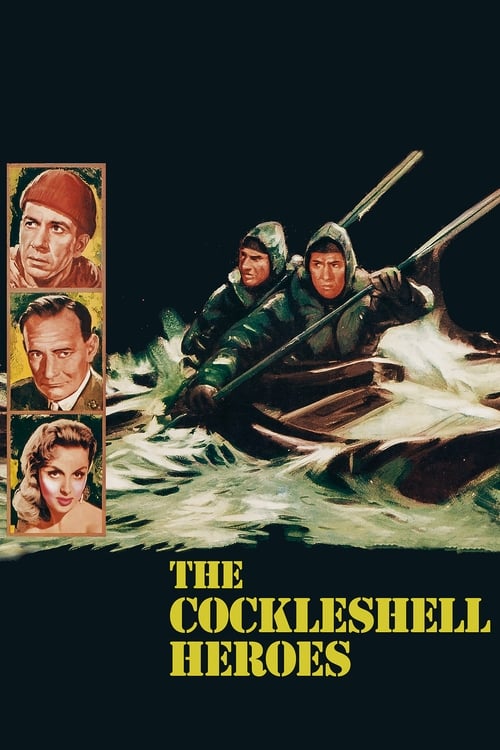
1955
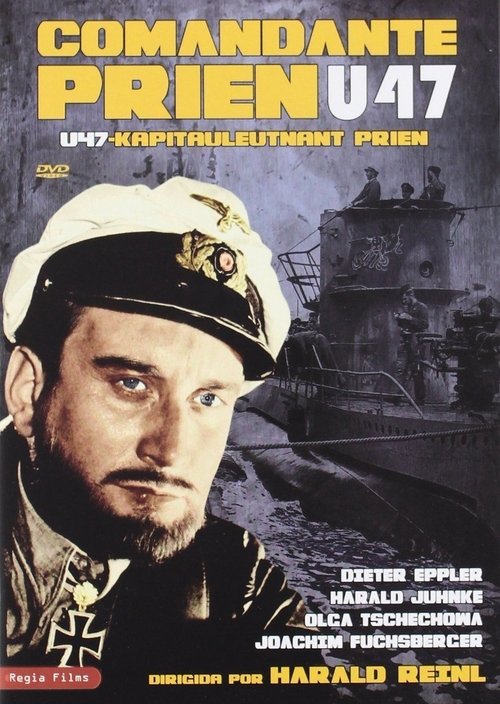
1958
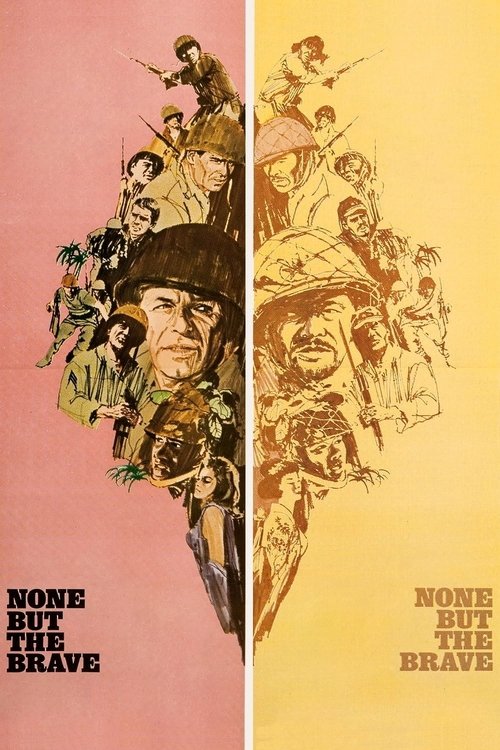
1965
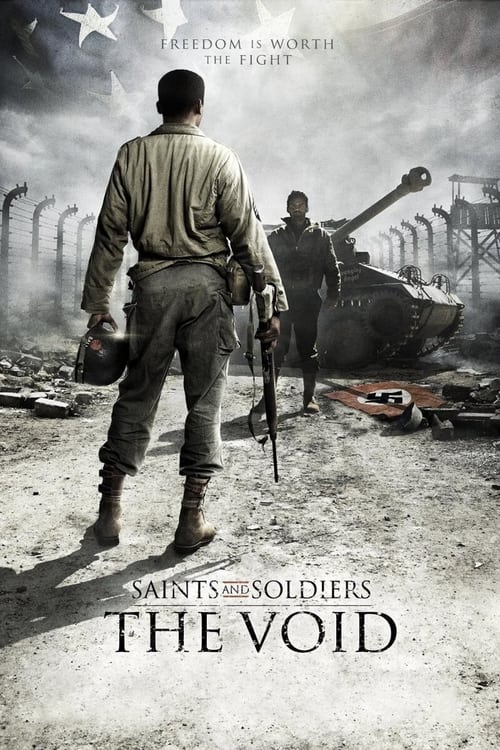
2014
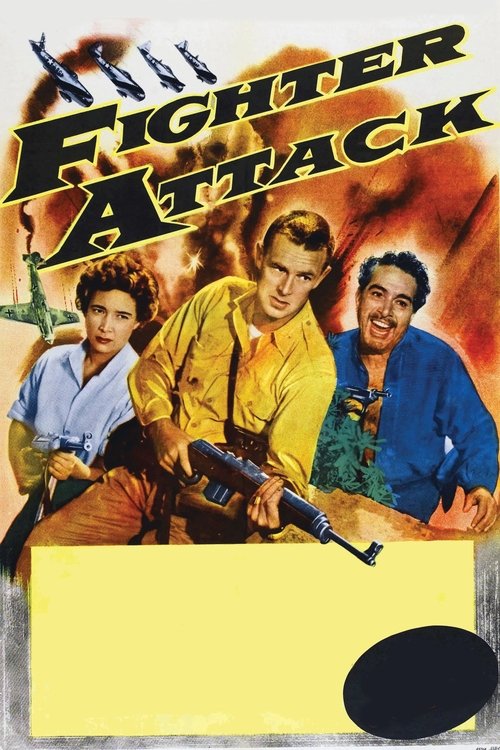
1953

1945
1954
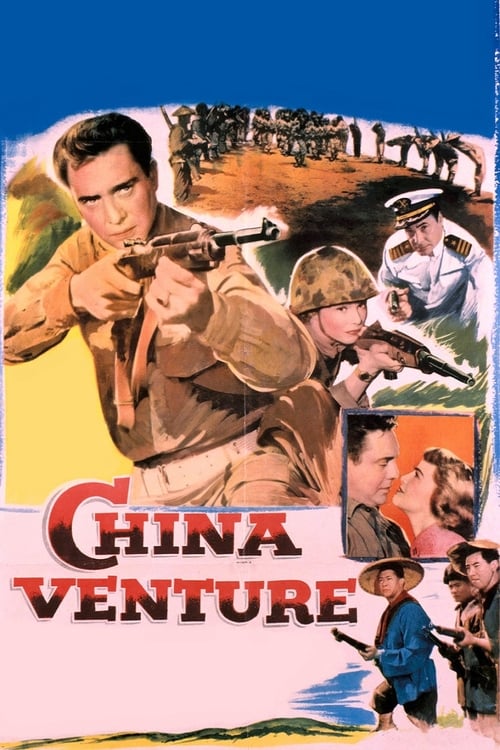
1953
No reviews yet. Be the first to share your thoughts on this movie!
Use the rating form above to leave a star rating and optional review.