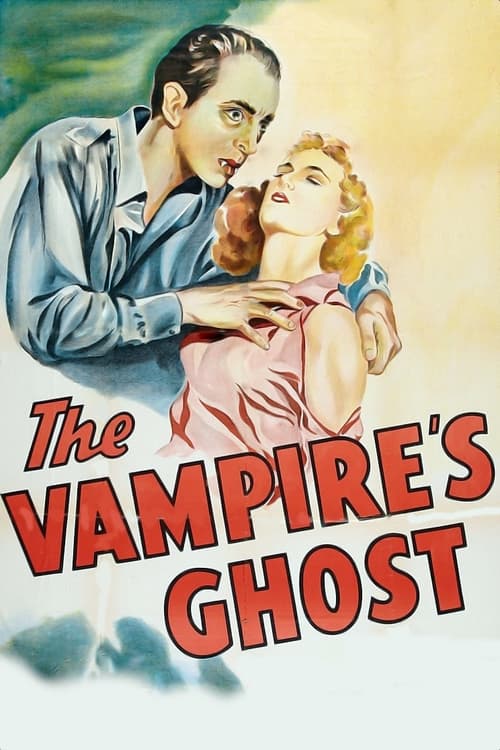
The Vampire's Ghost
1945
No user ratings available yet
Diversity score: 1.9 out of 10

1988
Director
Bruce Lambert
Runtime
90 minutes
Average Rating
No ratings yetSynopsis
The fate of the entire hotel industry is at stake. A group of evil black ninjas have threatened to insinuate themselves into the industry, take over, and transform the operation into something unspeakable. Thank heaven the white ninjas are on hand to save the day. Agnes Chan heads the cast, so we assume she's the "ninja queen." This one isn't a whole lot better than others of its ilk, but at least there's some novelty in the settings.
Overall Score
Minimal
Category Breakdown
LGBTQ+ Representation
The film contains no evidence of non-cisnormative gender identities. There are no discernible LGBTQ+ themes or characters present in the narrative.
Gender Representation
Agnes Chan serves as a central female lead, often framed as a 'ninja queen.' However, her role follows traditional action archetypes rather than subverting established gender hierarchies.
Racial & Ethnic Diversity
The plot relies on a binary racial framework, pitting 'black ninjas' against 'white ninjas.' This construction uses reductive racial categorization instead of nuanced intersectional depth.
Religious & Cultural Diversity
The story adheres to conventional Western genre structures. It utilizes a simplified good-versus-evil dichotomy that reinforces traditional storytelling norms rather than deconstructing institutions.
Disability Representation
There is no evidence of characters with visible or invisible disabilities. The narrative does not integrate neurodivergence or physical impairments.
Strengths
Areas for Improvement
AI Analysis
The Vampire Raiders is a product of late-1980s exploitation cinema that prioritizes genre tropes over social complexity. The film relies heavily on binary archetypes, particularly regarding race and gender, which reinforces traditional social divisions rather than challenging them. While the presence of a female lead provides a central figure, the narrative lacks the intentionality required to disrupt conventional power dynamics. The racial framing is particularly reductive, utilizing overt categorization to drive the conflict. Ultimately, the film mirrors the hierarchical and simplistic storytelling prevalent in its era, offering little in the way of intersectional representation or subversive character development.
1945
1991

1988
2010
1960
1967

2009
1998
1962
1960
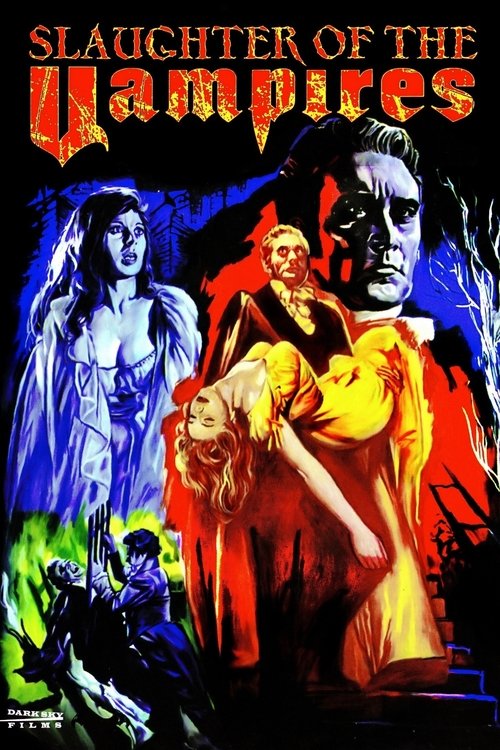
1962
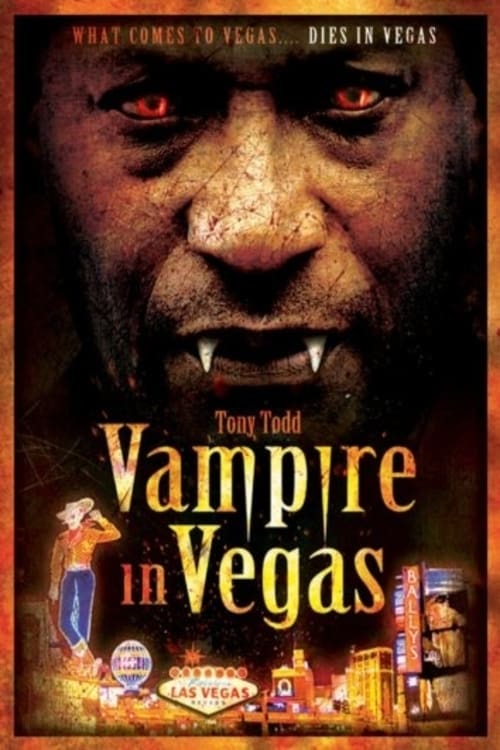
2009
No reviews yet. Be the first to share your thoughts on this movie!
Use the rating form above to leave a star rating and optional review.