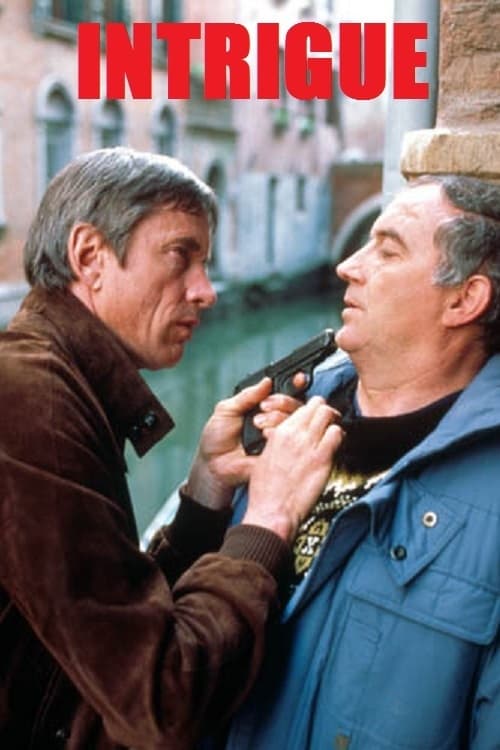
Intrigue
1988
No user ratings available yet
Representation score: 3.2 out of 10
Representation Score
Minimal
1989
Director
Philip Frank Messina
Runtime
88 minutes
Average Rating
No ratings yetNew Showbiz Analysis
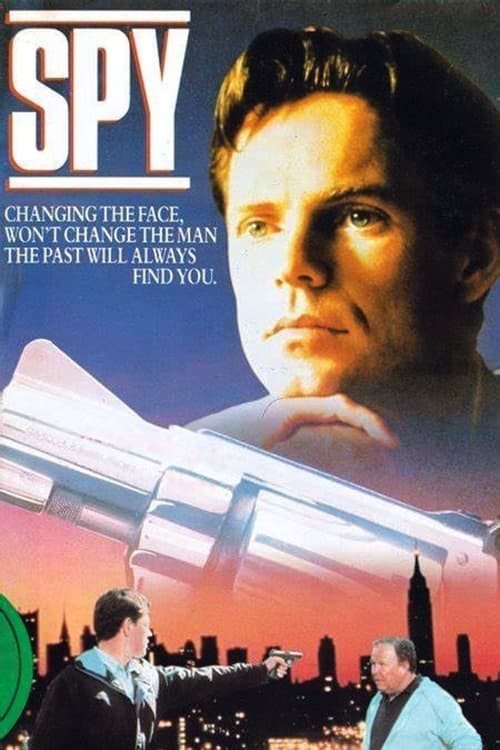
Spy (1989) is a conventional late-80s television thriller that emphasizes individualist espionage over systemic critique. The narrative follows standard genre conventions, focusing on a protagonist's personal survival and emotional fallout following a failed mission and a broken marriage. The film lacks intentional diversity. It relies on traditional gender dynamics and a homogeneous cast, offering little in the way of diverse perspectives or social subversion. Ultimately, the production functions as a standard genre piece of its era, emphasizing personal loyalty and professional duty rather than nuanced, diverse character studies.
Category Breakdown
The story focuses on a heterosexual relationship. There are no representations of LGBTQ+ identities or non-binary gender narratives.
Angela's role revolves around her response to the protagonist's career. She exercises significant influence by moving on from her marriage, but her primary function is to catalyze Richard's emotional journey.
The narrative depicts a homogeneous cast. There is no indication of a diverse or multi-ethnic cast within the interpersonal drama.
The film adheres to traditional Western thriller conventions. It operates within a standard moral framework, focusing on professional duty and personal consequences without challenging Western institutions.
The film does not include characters with physical or neurodivergent disabilities.
Present on Screen
Limited or Absent
Official Synopsis
Richard is a spy. Ever since his wife Angela left him, cause she never liked what he did or became, his heart has not exactly been in it anymore. After failing to complete his mission, he decides to leave. His friend and boss, Tony Cooper, brings him to a plastic surgeon, so that he could change his appearance and disappear. A year later, he learns that the doctor who operated on him and Tony are dead. He suspects that someone's either trying to get back at him through them or is trying to flush him out. He then fears that Angela could be next. So he goes to her but she's gotten on with her life and doesn't want him back.
1988
1973
1992
1980

1994
1973
1989
1965
No reviews yet. Be the first to share your thoughts on this movie!
Use the rating form above to leave a star rating and optional review.